Tag

Paediatric health

Browsing

Key Highlights

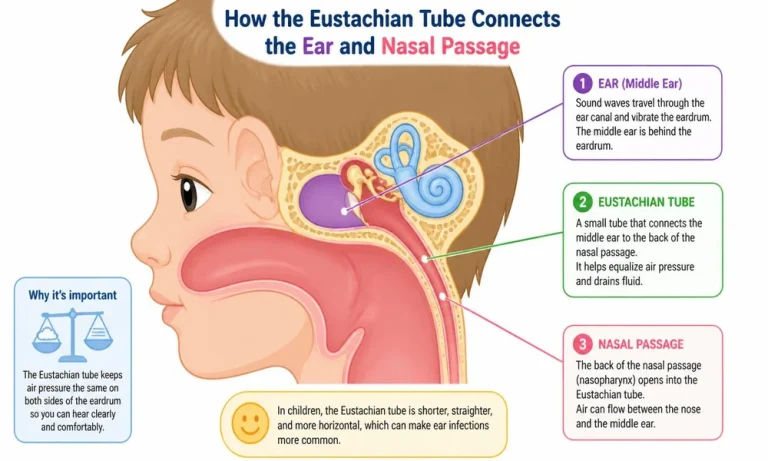
  • The ears and nose are connected via the Eustachian tube, which is shorter in children.
  • A sensitive nose often causes inflammation that blocks the ear’s natural drainage.
  • Chronic fluid in the ear (glue ear) is frequently a secondary symptom of nasal allergies.
  • Effective treatment for sensitive nose issues can significantly reduce the frequency of ear infections.

Introduction

Many parents find themselves making frequent trips to the doctor for their child’s ear infections, only to return a few weeks later for the child’s persistent sneezing and runny nose. While these might seem like two separate issues, they are often deeply interconnected. In the world of paediatric health, the ears, nose, and throat function as a single, unified system. When a child has a “sensitive nose”-a term often used to describe allergic rhinitis or chronic nasal irritation-the impact is rarely confined to just the nose. This sensitivity can directly lead to various ear conditions that can affect a child’s comfort and hearing. Consulting a paediatric ear specialist can reveal how these two areas influence each other. Understanding this link is the first step in finding a comprehensive treatment for sensitive nose and ear problems that provides lasting relief.

The Anatomical Connection

To understand why a sensitive nose affects the ears, one must look at the Eustachian tube. This small canal connects the middle ear to the back of the nasal cavity and the upper throat. Its job is to equalise ear pressure and drain secretions from the middle ear. In children, this tube is shorter, narrower, and more horizontal than in adults, making it easier for things to go wrong. When a child suffers from a sensitive nose allergy, the lining of the nasal passages becomes inflamed and produces excess mucus. This inflammation often extends to the opening of the Eustachian tube, causing it to swell shut. When the tube is blocked, fluid becomes trapped in the middle ear, creating a perfect environment for bacteria to grow, leading to painful infections.

Sensitive Nose and Glue Ear

One of the most common conditions a paediatric ear specialist treats is “Otitis Media with Effusion,” commonly known as glue ear. Unlike a standard ear infection, glue ear is not always painful and may not involve a fever. Instead, thick, sticky fluid builds up behind the eardrum, causing muffled hearing. This condition is frequently a direct consequence of long-term nasal sensitivity. If a child’s nose is constantly reacting to dust, pet dander, or mould, the Eustachian tube remains chronically dysfunctional. Parents might notice their child turning up the volume on the television or failing to respond when called. If left untreated, the persistent fluid from a sensitive nose can lead to temporary hearing loss, which in turn can delay a child’s speech and language development.

Holistic Treatment for Sensitive Nose

Because the ears and nose are so closely linked, a “nose-first” approach is often the appropriate treatment for sensitive nose and ear issues. If a specialist only treats the ear infection with antibiotics but ignores the child’s chronic nasal congestion, the ear infection is almost certain to return once the medicine is finished. Comprehensive treatment involves managing the nasal inflammation to keep the Eustachian tubes open. This might include saline nasal rinses to clear allergens, paediatric-strength nasal steroid sprays to reduce swelling, and identifying environmental triggers. By calming the “sensitive nose,” the middle ear is allowed to drain naturally, which often resolves the ear issues without the need for more invasive treatments like surgery.

When to See a Specialist

While a general practitioner can treat a one-off ear infection, a paediatric ear specialist should be consulted if the ear and nose issues are recurring. A specialist can perform a nasal endoscopy to see if enlarged adenoids (lymph tissue at the back of the nose) are contributing to the problem. Adenoids often swell in response to the same triggers that cause a sensitive nose, further blocking the Eustachian tubes. A specialist can also perform a tympanogram to check the health of the middle ear and ensure that the child’s hearing has not been compromised. By addressing the root cause-the nasal sensitivity-rather than just the symptoms in the ear, the specialist provides a more effective, long-term solution for the child’s overall respiratory and auditory health.

Conclusion

Childhood ear conditions and sensitive nose problems are two sides of the same coin. The anatomical links between the nasal passages and the middle ear mean that a problem in one area will almost inevitably affect the other. By understanding that a child’s ear infections might be driven by their nasal allergies, parents can seek more effective, integrated care. Consulting a paediatric ear specialist ensures that both the ears and the nose are evaluated as a single system. With the right treatment for sensitive nose issues, you can break the cycle of ear infections, protect your child’s hearing, and ensure they grow up breathing and hearing clearly.

Is your child suffering from frequent ear or nose issues? Contact Dr. Leslie Koh to schedule a consultation with our paediatric experts today.

Key Highlights

  • Clinical qualifications and sub-specialisation are essential factors in selecting a provider.
  • The clinic environment should be designed to accommodate the needs of younger patients.
  • Clear and thorough communication helps parents understand diagnosis and treatment paths.
  • Administrative efficiency and follow-up support contribute to a seamless care experience.

Introduction

Selecting a healthcare professional for your child is a decision that requires thorough consideration. When a child experiences issues related to the ears, nose, or throat, parents seek appropriate medical attention to address these concerns effectively. Navigating the healthcare system in Singapore can be complex, particularly when searching for a paediatric ENT Singapore who can provide the necessary clinical expertise. Whether the concern involves recurring ear infections, sleep-disordered breathing, or hearing difficulties, finding a qualified best ENT specialist in Singapore is an important step in managing your child’s health. This article outlines the key criteria parents should consider when choosing a specialist, focusing on professional standards and clinical care environments.

Verifying Clinical Qualifications and Training

The primary consideration when selecting a specialist is their medical background and specific training. In Singapore, otorhinolaryngologists are trained to manage a wide range of conditions; however, paediatric cases often require a different clinical approach due to the unique anatomy and physiology of growing children. When researching potential doctors, it is advisable to look for those who have completed additional fellowship training specifically in paediatric ENT in Singapore. This training ensures the practitioner is familiar with the nuances of congenital conditions, paediatric airway management, and the specific surgical techniques suitable for infants and children. Checking for registration with the Singapore Medical Council and relevant specialist boards provides assurance regarding the practitioner’s professional standing.

Assessing the Clinic Environment and Facilities

The physical environment of a medical practice plays a significant role in the patient experience, especially for younger children who may feel anxious about medical visits. A clinic that focuses on paediatric care often incorporates features designed to make children feel more at ease. This includes wait areas that are age-appropriate and consultation rooms equipped with paediatric-sized diagnostic tools. Beyond aesthetics, the technical capabilities of the clinic are vital. Modern diagnostic equipment, such as flexible fibre-optic nasendoscopy suitable for smaller nasal passages, allows for accurate assessments in a clinical setting. During a visit, observing the hygiene standards and the general layout of the facility can provide insight into the operational standards of the practice.

Standards of Professional Communication

Effective clinical outcomes are often supported by clear communication between the specialist and the parents. A professional best ENT specialist in Singapore should be able to explain medical findings and proposed treatment plans in a structured and accessible manner. This involves discussing the risks, benefits, and alternatives of any procedure without using promotional language. Parents should feel empowered to ask questions about their child’s condition and receive evidence-based answers. The ability of the specialist to engage with the child patient in a calm and professional manner is also indicative of their experience in paediatric care. A collaborative approach to decision-making ensures that parents are fully informed and comfortable with the care pathway chosen for their child.

Administrative Efficiency and Support Services

The administrative aspect of a medical practice is often as important as the clinical care provided. Efficient appointment scheduling, clear billing processes, and timely responses to enquiries are hallmarks of a well-managed clinic. For parents, accessibility is a practical necessity. This includes the clinic’s location and its proximity to diagnostic imaging or pharmacy services. Furthermore, the level of post-consultation support is a key factor. A professional practice will provide clear instructions for home care or follow-up monitoring after a procedure. Inquiring about how the clinic handles urgent enquiries or after-hours support can help parents understand the level of continuity in care they can expect for their child.

Conclusion

Choosing a paediatric ENT in Singapore involves a systematic evaluation of clinical qualifications, the care environment, and professional communication standards. By focusing on these objective criteria, parents can make an informed choice that prioritises their child’s health requirements. Proper research and a preliminary consultation allow families to verify that the specialist’s approach aligns with their expectations for professional medical care. Ensuring your child is seen by a qualified professional is fundamental to achieving positive health outcomes.

Contact Dr. Dennis Chua’s clinic today to schedule a consultation and ensure your child receives the professional care required for their ear, nose, and throat health.