Category

Weight Loss

Category

Key Highlights

  • Fat cells in different areas of the body can respond differently to diet, exercise, and hormonal changes.
  • Genetics and hormone receptor density play a role in why certain areas feel more resistant than others.
  • The submental area, commonly known as the double chin, is one of the more frequently raised concerns during consultations.
  • Non-invasive options exist for some of these areas, though suitability always depends on an individual clinical assessment.

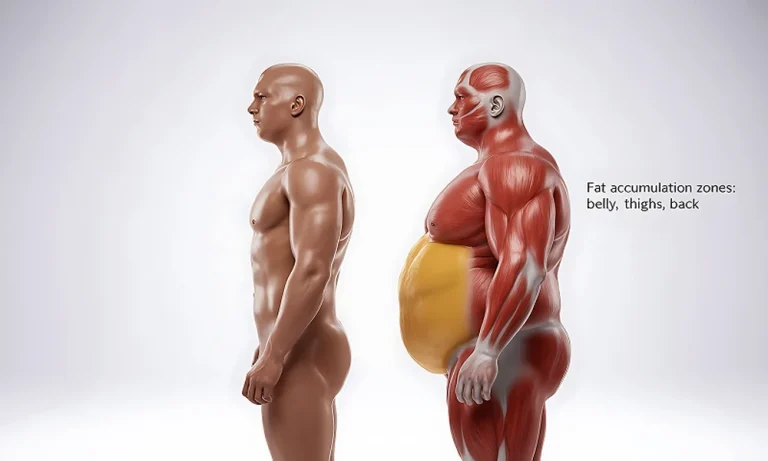
Two people following an identical diet and exercise routine can still lose weight from noticeably different areas first. This isn’t random. Fat cell distribution, hormone receptor density, and genetics all influence which areas of the body tend to respond quickly and which ones hold on longer, regardless of how consistent the underlying effort has been.

Why Some Areas Resist Diet and Exercise More Than Others

Certain areas contain fat cells with a higher density of receptors that respond to hormones involved in fat storage, which can make them noticeably slower to shrink through diet and exercise alone, even when overall body fat is decreasing steadily elsewhere. This is part of why fat freezing therapy is sometimes raised as an option during consultations, since it’s generally designed to target localised pockets of fat directly rather than relying on further diet or exercise changes to reach them.

1. The Abdomen and Flanks

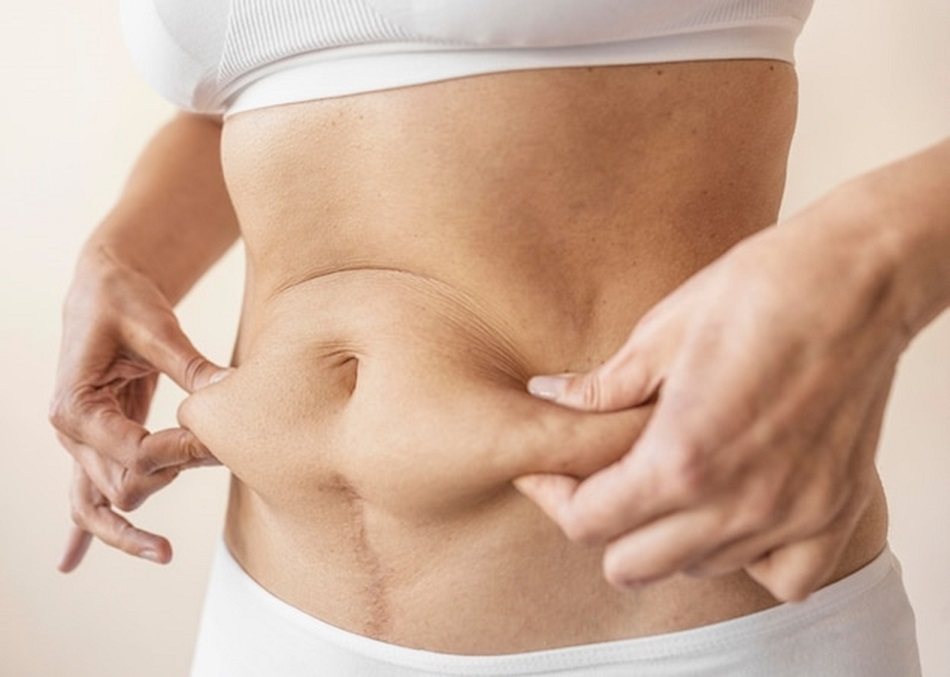
The abdomen and flanks are commonly raised areas of concern, partly because fat here tends to be more visible under clothing and partly because it can genuinely be one of the more stubborn regions for some body types. Age, hormonal changes, and genetics all influence how this area behaves over time, which is why two people at a similar body fat percentage can still carry noticeably different amounts around the midsection.

Stress and sleep quality also appear to play a role in how fat accumulates around the midsection specifically, adding another layer to why this particular area can feel disproportionately difficult to shift compared with others, even for people who are otherwise consistent with their routine.

2. The Thighs and Hips

The thighs and hips tend to follow a similar pattern to the abdomen in terms of stubbornness, though the underlying reasons differ somewhat. This area often responds more to changes over a longer timeframe than to any single adjustment in diet or training, which can make progress here feel slower even when it’s genuinely happening.

For many people, particularly women, the thighs and hips store fat more readily due to hormonal factors, and this area can be similarly slow to respond to general weight loss efforts. A broader assessment through a weight loss clinic in Singapore can help clarify whether a particular area is genuinely resistant, or whether overall progress has simply plateaued for other reasons discussed elsewhere on this site.

Comparing progress across different areas of the body, rather than focusing on just one, often gives a clearer sense of whether an area is truly resistant or simply following its own pace.

3. The Submental Area, Commonly Known as the Double Chin

Out of all the areas raised during consultations, this one tends to carry a disproportionate amount of frustration, largely because it’s so visible and so difficult to influence through general weight loss. Someone can be at a healthy, stable weight for years and still feel that this specific area doesn’t reflect the rest of their body.

The area beneath the chin is one of the more frequently raised concerns during consultations, often because it can persist even in people who are otherwise at a stable, healthy weight. Genetics and skin laxity both play a role here, which is why diet and exercise alone don’t always change its appearance. For this specific area, double chin removal is a common search term, though any approach here should be discussed with a doctor first, since suitability depends on the individual’s anatomy and skin condition.

Knowing the Difference Between Slow Progress and a Resistant Area

It isn’t always obvious, from the outside, whether a stubborn area simply needs more time or whether it’s genuinely resistant to further change through lifestyle adjustments alone. This distinction usually needs a proper assessment rather than guesswork, particularly for anyone who has been consistent with diet and exercise without seeing much change in a specific area.

Measurements, photos taken consistently over time, and how clothing fits can all offer useful context beyond the scale alone, particularly when trying to work out whether a specific area is actually changing more slowly than the rest of the body.

Wondering why a specific area isn’t responding the way the rest of your body has? Contact Halley Body Slimming Clinic to arrange a consultation with our team.

Key Takeaways

  • Body contouring is a tool for refining and sculpting specific areas, not a primary method for significant weight loss.
  • Results develop gradually as the body naturally processes and eliminates targeted fat cells.
  • Maintaining a healthy diet and regular exercise is essential for supporting and extending your results.
  • Patience and realistic expectations are the most important factors for success in any slimming treatment.

Introduction

We are surrounded by images of instant transformations and overnight success stories. When it comes to our bodies, it is very tempting to look for a shortcut that provides immediate results. However, professional body contouring is not about magic; it is about science and biology. These treatments are designed to help you refine your shape and address stubborn areas that do not respond to traditional diet and exercise. Understanding that this is a journey rather than a single event is the first step toward true satisfaction.

When you view a slimming treatment as a partner to your healthy lifestyle, you achieve much better and more lasting results. It is about enhancing the work you are already doing and giving yourself that extra bit of confidence. By shifting your mindset away from quick fixes and toward long-term improvement, you create a much more positive experience. This approach allows you to appreciate the subtle changes as they happen, leading to a transformation that feels natural and sustainable.

What Is Body Contouring and Does It Help with Weight Loss?

Many people wonder whether body contouring can replace diet and exercise, but its purpose is quite different. Rather than promoting significant weight loss, body contouring is designed to sculpt and refine specific areas where stubborn fat tends to remain despite a healthy lifestyle. Most people who choose body contouring in Singapore are already close to their target weight and simply want to improve their natural body shape.

The treatment works by targeting localised fat deposits, allowing the body to gradually break down and eliminate them through its natural processes. Because this happens over time, the results appear progressively rather than overnight. As the treated fat cells are cleared, your body contours become more defined, and your clothes may fit more comfortably without the need for invasive surgery or lengthy recovery.

How Can You Get the Best Results from a Slimming Treatment?

A professional treatment delivers the best outcome when it complements healthy daily habits. While advanced technology can target stubborn fat, maintaining balanced nutrition, regular physical activity, and proper hydration helps your body process the treated fat cells more efficiently. These lifestyle choices also support your overall health while preserving your newly refined shape.

A slimming treatment often becomes a source of motivation for many people. Seeing gradual improvements encourages healthier eating habits and greater consistency with exercise. Instead of relying solely on the treatment itself, combining professional care with positive lifestyle changes creates results that are more noticeable and longer-lasting. This balanced approach helps you maintain both your confidence and your progress.

How Long Does It Take to See Body Contouring Results?

Unlike cosmetic procedures that produce immediate changes, body contouring relies on your body’s natural ability to remove targeted fat cells. As a result, visible improvements typically develop over several weeks, with many people noticing their full results within six to twelve weeks after treatment. This gradual timeline allows the body to adapt naturally, producing smoother and more balanced-looking contours.

Most treatment plans involve multiple sessions spaced over several weeks or months. Each appointment builds on the previous one, allowing your silhouette to improve progressively. Understanding this process helps set realistic expectations and reduces disappointment. Rather than chasing instant changes, patients who trust the gradual nature of body contouring are often the most satisfied with their outcome.

Is Body Contouring Worth It for Long-Term Confidence?

The benefits of body contouring often extend beyond physical appearance. Addressing areas that have resisted healthy eating and regular exercise can help people feel more comfortable in their clothing and more confident in everyday situations. Even subtle improvements can have a meaningful impact on self-esteem because they reflect the effort already invested in maintaining a healthy lifestyle.

Feeling happier with your body often influences other aspects of your life as well. Greater confidence may encourage you to participate in social activities, wear clothes you previously avoided, or simply feel more positive about your appearance. When combined with realistic expectations and professional guidance, body contouring becomes more than a cosmetic procedure. It becomes part of a long-term commitment to personal well-being and self-confidence.

Final Thoughts

Body contouring is an incredible tool for those who want to refine their shape and feel more confident in their own skin. By understanding that it is a journey of gradual improvement rather than a quick fix, you can achieve results that are both beautiful and lasting. It is about working with your body’s natural processes and supporting them with a healthy lifestyle. If you are patient and consistent, the rewards are well worth the wait. To start your own body-shaping journey today, please get in touch with Glow Haven Aesthetics and Wellness.

Testosterone Replacement Therapy (TRT) has become a valuable solution for men struggling with low testosterone levels, helping improve energy, mood, muscle mass, and overall vitality. However, while the benefits are numerous, undergoing regular blood testing during the course of treatment is not optional—it’s essential. Without proper monitoring, TRT can potentially lead to unwanted side effects and ineffective dosing.

Patients seeking testosterone replacement therapy in Lakeland should be aware that regular lab work is a fundamental part of maintaining a safe and effective therapy plan.

The Role of Blood Tests in TRT

Before beginning any testosterone replacement protocol, baseline bloodwork provides critical insight into a patient’s hormonal balance and overall health. Once therapy starts, regular blood testing continues to play a pivotal role in adjusting dosage and tracking the body’s response.

Hormonal Balance and Personalized Dosing

TRT isn’t one-size-fits-all. Every individual metabolizes testosterone differently, and blood testing allows healthcare providers to tailor the dosage precisely to a patient’s needs. Levels that are too high can increase the risk of side effects such as elevated red blood cell counts, mood swings, or estrogen imbalances. Too low, and the therapy becomes ineffective.

Routine lab work helps maintain hormonal balance, ensuring that testosterone levels stay within a healthy and effective range.

Monitoring Potential Health Risks

Blood testing during TRT isn’t just about checking testosterone—it’s also about preventing complications. One key risk is the potential for increased hematocrit (thickened blood), which can lead to cardiovascular issues. Liver function, cholesterol levels, and prostate-specific antigen (PSA) are also monitored to ensure the body is responding safely to treatment.

In fact, understanding the health risks associated with untreated low testosterone further emphasizes why consistent monitoring is so important. Regular testing isn’t just a precaution; it’s a proactive strategy for long-term wellness.


Detecting and Preventing Side Effects

TRT can sometimes cause imbalances in other hormones like estrogen or DHT (dihydrotestosterone). Blood tests identify these shifts early, allowing healthcare professionals to adjust therapy before side effects become problematic. Early detection can prevent symptoms such as acne, water retention, mood changes, or hair thinning—ensuring patients get the benefits of TRT without the drawbacks.

How Lifestyle Affects Therapy Outcomes

Lifestyle choices—such as nutrition, exercise, and sleep—can significantly influence the effectiveness of testosterone therapy. These habits not only support hormonal stability but also impact overall cardiovascular and metabolic health, which are closely tied to TRT success. Some findings have shown that when healthy eating and consistent physical activity are part of the equation, TRT outcomes tend to improve noticeably. In fact, there’s growing recognition of how diet and exercise complement TRT therapy, making them important pieces of the broader treatment puzzle.

Conclusion

Blood testing is more than just a routine step in Testosterone Replacement Therapy—it’s the foundation of a safe, personalized, and effective treatment plan. From tracking hormonal levels to detecting early signs of potential side effects, ongoing lab monitoring ensures the therapy delivers its benefits without compromising health.

For those undergoing testosterone replacement in Lakeland, partnering with experienced professionals who prioritize regular bloodwork can make all the difference in achieving optimal, lasting results.

Weight loss is a dynamic journey filled with numerous challenges and triumphs. While engaging in various weight loss plans in Spokane, it’s crucial to be well-informed and discerning about the advice you follow. To assist you in navigating through your weight loss path with accurate information, we’re here to clarify the top five weight loss myths, ensuring you’re empowered with the truth.

Myth 1: Crash Diets are Effective for Long-Term Weight Loss

Contrary to popular belief, crash diets aren’t the magic bullet for sustainable weight loss. While they might cause rapid weight loss initially, they are often difficult to maintain and lead to a cycle of ‘yo-yo dieting’.

Myth 2: All Calories are Equal

It’s important to understand that not all calories are created equal. For instance, calories from proteins can make you feel full longer than the same amount of calories from sugars or fats. So, the nature and source of the calories also matter.

Myth 3: Weight Loss Equals Health Gain

Though often associated, weight loss and health aren’t always synonymous. Initial weight loss may, in fact, bring some health benefits but adopting a healthy lifestyle is what truly counts for long-term health gains.

Myth 4: All Fats Are Bad

While trans fats can increase the risk of heart disease, fats like omega-3 fatty acids and monounsaturated fats can actually be good for your health. Therefore, labeling all fats as ‘bad’ is a misunderstanding.

Myth 5: Exercise is the Only Solution to Weight Loss

Although regular physical activity contributes to weight loss, diet plays a fundamental role, too. Balancing the two elements is key.

Our misconceptions about weight loss often lead us down difficult paths. Incorporate these truths into your weight loss journey to ensure effective and sustainable results. To further assist you, consider following these 6 habits to help you lose weight.

To avoid common weight loss mistakes, as mentioned in this article on MD Physician Mag, focus on balanced nutrition, regular physical activity, and a positive mindset over quick fixes.

In conclusion, debunking these myths can act as a beacon of truth, guiding your weight loss journey toward factual and effective strategies. Remember, weight loss is not a race. It’s a journey where a balanced lifestyle wins over quick fixes. With the truth in your arsenal, you’re well-equipped to wage war against the myths that cloud weight loss.

Bariatric surgery is a highly effective weight loss option for individuals suffering from obesity. While many are aware of the impressive results that can be achieved, few understand the critical role that hormone changes play in the surgery’s success. In this article, we will take a closer look at the hormonal shifts that occur after bariatric surgery and discuss how these changes can improve the overall quality of life for patients.

The Connection Between Hormones and Weight Loss

Hormones play a crucial role in regulating all aspects of our bodies, including weight loss and appetite control. Two key hormones that influence weight are ghrelin and leptin. Ghrelin is responsible for stimulating hunger, while leptin is in charge of signaling fullness to the brain. When these hormones become imbalanced, individuals can experience an overactive appetite, leading to significant weight gain.

How Bariatric Surgery Affects Hormones?

With a qualified bariatric surgeon’s help, patients can undergo a variety of procedures designed to promote hormone balance and facilitate healthy weight loss. Bariatric surgery impacts hormone production and sensitivity through a combination of mechanisms, including reduced stomach size and altered digestive processes. As a result, patients can benefit from increased appetite control and an overall boost in their metabolism.

One significant change that occurs following bariatric surgery is a decrease in ghrelin production. Lower ghrelin levels mean fewer hunger signals, translating into less caloric intake and more effortless weight loss. Additionally, bariatric surgery has been shown to improve leptin sensitivity, allowing the body to respond more effectively to its fullness cues and reducing the overall desire to overeat.

Improved Quality of Life Through Hormonal Balance

The hormonal changes that occur post-bariatric surgery not only lead to successful weight loss but also contribute to an improved quality of life for patients. The reduction in hunger signals can help individuals better control their food intake and achieve a healthier relationship with food. Additionally, lower ghrelin levels and improved leptin sensitivity have been linked to a decrease in obesity-related health conditions like sleep apnea and type 2 diabetes.

Weight loss can also result in positive hormonal shifts related to mental well-being. Many individuals report feeling happier and more emotionally stable after shedding excess pounds, which is thought to be linked to improved serotonin and endorphin levels.

Final Thoughts

Though weight loss is a critical factor in a successful bariatric procedure, it’s essential to recognize the pivotal role that hormone changes play in each patient’s journey. Weight loss surgery by the best bariatric surgeon in NYC can offer a powerful tool for achieving hormonal balance and, in turn, can improve the overall quality of life for patients who undergo the procedure. By understanding the hormone changes brought on by the surgery, individuals can take control of their lives and make well-informed decisions about their health. Thank you for reading.

Weight loss surgery can be a challenging and life-changing experience for anyone. If you have a loved one who is considering or undergoing bariatric surgery, there are many ways you can provide them with emotional and practical assistance throughout their recovery process. This article will explore five ways you can support your loved one as they go through weight loss surgery.

1. Understand the Medical Guidelines for Bariatric Surgery

Bariatric surgery is a life-changing decision, and it is important to understand what the procedure entails before you can start making any plans for support. Make sure you read up on the medical guidelines for bariatric surgery, such as the pre-and post-operative dietary restrictions that usually accompany these procedures. You may also check out the must-have items that you should buy before the surgery to ensure a smooth recovery for your loved one. Remember that the key is to provide your loved one with the necessary information so that they can make an informed decision about their health.

2. Provide Emotional Support to Your Loved One During Their Recovery Process

Recovering from bariatric surgery can be a physically and emotionally challenging experience. Giving your loved one the emotional support they need to get through this difficult time is essential. You could do this by being a listening ear, offering reassurance, and providing encouragement. You may also suggest activities such as going for walks together or having regular check-ins.

3. Help Them Stay on Track with Their Diet and Exercise Plan

After bariatric surgery, your loved one will need to follow a strict diet and exercise plan. You can support your loved one by helping them stay on track with their new lifestyle changes. You could offer to cook healthy meals, go shopping for groceries together, and encourage them to stick to their exercise routine. From time to time, you might also suggest new activities that your loved one can try in order to stay motivated.

4. Offer Assistance in Managing Any Potential Setbacks

There may be times when your loved one has setbacks during their recovery after bariatric surgery; offer assistance to help them manage these setbacks. You could provide emotional support and encouragement, help them stay on top of their diet and exercise plan, or suggest effective coping strategies. For instance, if your loved one is feeling overwhelmed, you could offer to take them out for a walk or suggest engaging in a relaxing activity such as yoga or meditation.

5. Research Resources for Additional Help or Information About Bariatric Surgery

After bariatric surgery, your loved one may need additional help from community resources. Research local bariatric surgery support groups for the best possible care for your loved one. You may also contact bariatric surgery centers in the area that provide nutrition counseling and other support services. By researching resources, you will be able to provide your loved one with the best possible care during their recovery process.

Conclusion

These are the five ways to support a loved one going through weight loss surgery. Weight loss surgery is a life-changing experience, so it is important to make sure that you provide your loved one with the necessary emotional and practical support they need as they go through their recovery process. From seeking an experienced doctor for bariatric surgery in Miami to researching resources for additional help, there are plenty of ways you can show your support. This way, your loved one will have the best possible outcome from their weight loss surgery.

Weight loss surgery is becoming increasingly popular in the United States and around the world. For those looking to lose weight, there are several options available, including gastric bypass surgery. One of the most effective types of this type of bariatric surgery procedure is known as Mini Gastric Bypass Surgery (MGB). This minimally invasive procedure has been proven to provide numerous health benefits, and in this article, we will discuss the top three benefits of mini gastric bypass surgery.

1. Quick and Lasting Weight Loss

The most obvious benefit of mini gastric bypass surgery is the potential for quick and lasting weight loss. During the procedure, a small section of the stomach is separated from the rest of the stomach and connected directly to the small intestine. This limits food intake and reduces hunger, promoting rapid weight loss in patients. Additionally, because this procedure does not rely on restrictive diets or intense exercise regimens, patients can maintain the results of their weight loss for a considerably long period of time.

2. Reduced Risk of Health Issues

In addition to helping you lose weight, mini gastric bypass surgery also reduces your risk of developing serious health issues related to obesity. Studies have shown that this procedure can help reduce the risk of type 2 diabetes, high blood pressure, and heart disease. Furthermore, the probability of complications or side effects resulting from this procedure is less than 5 percent. This is far lower than with other types of bariatric surgery. In addition, it will also benefit if you know when you should consider bariatric surgery, as it can help you make an informed decision.

3. Improved Quality of Life

Finally, mini gastric bypass surgery can have a dramatic impact on a patient’s quality of life. Studies show that those who undergo the procedure experience improved self-esteem and mental health, as well as increased physical activity levels. Additionally, patients are able to enjoy more social activities, such as attending events with friends or family members. As a result, patients often find that their lives are drastically improved after the procedure.

In Conclusion

Mini gastric bypass surgery is becoming increasingly popular among those looking to lose weight and reduce their risk of health issues. This procedure offers numerous benefits, including quick and lasting weight loss, reduced risk of health issues, and improved quality of life. If you are considering this, be sure to discuss the potential risks and benefits with a doctor for a mini gastric bypass in Mexico to ensure that it’s right for you. They can help you decide if this is the best option for your weight loss goals.

If you are scheduled for bariatric surgery, you will likely be placed on a pre-op diet. This diet is designed to help you lose weight and prepare your body for surgery. One of the most important aspects of this diet is protein intake. Protein helps keep you feeling full and can aid in weight loss. In this article, we will discuss how much protein you should eat on a pre-op bariatric diet and provide some tips for incorporating more protein into your meals!

How Much Protein Do You Need on a Pre-Op Bariatric Diet?

The amount of protein you need will depend on your individual needs, weight, and age. Generally speaking, most adults should aim to consume at least 60-80 grams of protein per day before bariatric surgery. This can be difficult to achieve through dietary sources alone, so it is often recommended to include a protein shake in your diet multiple times daily.

Protein shakes are a great source of easily digestible protein and provide you with the essential amino acids necessary for proper bodily function. If you have any concerns regarding your bariatric liquid diet pre-op, you should talk with your doctor or registered dietitian. They can provide more personalized advice tailored to your specific needs.

3 Tips for Incorporating Protein into Your Pre-Op Bariatric Diet

  1. Add nuts, seeds, or nut butter to salads, smoothies, or yogurt: Adding nuts or seeds to your meals can help boost your protein intake. Nut butter is also a great source of protein and can be added to many different recipes.
  2. Incorporate eggs into meals: Eggs are a great source of protein and can easily be added to many dishes. For example, make a breakfast burrito with eggs and your favorite vegetables for a protein-packed meal or snack. You may even try omelet, frittatas, or quiches.
  3. Include protein-rich beans and legumes: Beans are an excellent source of plant-based protein that can be added to salads, soups, or stews. Chickpeas, black beans, and lentils are some of the highest protein-containing legumes. In addition, you may even check out the tips for eating out after bariatric surgery, as it will help you choose the right meal that meets your new dietary needs.

In Closing

By following these tips, you can ensure you are getting enough protein prior to surgery. Talk with your doctor or registered dietitian before making any major changes to your diet for tailored guidance and recommendations that fit your individual needs. Remember, your nutrition plays a key role in the success of your bariatric surgery and post-operative recovery.

Are you about to have a tummy tuck surgery? If so, congratulations! This is a big decision, and you are about to embark on a wonderful journey. However, it is important to remember that the surgery is just the beginning. Recovery is essential for achieving the best results from your procedure. This article will discuss some of the best tips for recovering from your tummy tuck surgery.

1. Get Plenty of Rest

The first few days after your surgery; it is important to get plenty of rest. Your body will be working hard to heal, and you need to give it the time it needs. Try to avoid any strenuous activity, and take things easy. You can gradually increase your activity level as you start to feel better. And, of course, if you have any concerns regarding your recovery, be sure to speak with a qualified surgeon for a tummy tuck in Tijuana to get professional guidance. They will help ensure that you are on track for a smooth and successful recovery.

2. Follow Your Surgeon’s Instructions

Your surgeon will provide you with specific instructions for your recovery. You must follow these instructions carefully. They have been tailored specifically for you and your situation and are designed to help you recover in the best way possible. Also, be sure to keep all of your follow-up appointments so that your surgeon can monitor your progress. Apart from this, if you want to know How Long Does a Tummy Tuck Procedure Take From Intake to Dismissal, be sure to ask your surgeon. They will be able to give you a detailed timeline for your surgery and recovery.

3. Wear Support garments as instructed

After surgery, you will be given a support garment to wear. This is an important part of the recovery process, and you must wear it as instructed. The support garment helps to hold everything in place as your body heals. It also helps to minimize swelling and bruising. Be sure to listen to your surgeon’s instructions regarding how long to wear the support garment. In general, it is recommended to wear it for at least six-eight weeks after surgery. You should wear it throughout the day and only take it off to shower.

To Conclude

There you have it! These are just a few of the best tips for recovering from your tummy tuck surgery. Following these tips can help ensure a smooth and successful recovery. And, of course, if you have any questions or concerns, be sure to speak with your surgeon. They will be more than happy to help you through the recovery process.

Are you considering gastric sleeve surgery? If so, then you need to start preparing for it now. This type of surgery is becoming increasingly popular, and more and more people are choosing to have it done every year. If you want to make sure that the surgery goes as smoothly as possible, then it is important to start preparing for it now. Here are the top three tips to help you prepare for gastric sleeve surgery:

1. Learn as Much as You Can About the Surgery

The first thing that you need to do is to learn as much as you can about the surgery. This means reading up on it and talking to people who have already had the surgery. The more you know about it, the better prepared you will be. However, it is important to understand that surgery is not a quick fix, and it will take time for your body to adjust to the new size of your stomach. You will need to be patient and give yourself time to heal. So be sure to talk to a qualified surgeon for gastric sleeve surgery in Lubbock if you have any questions. They will be able to give you the most accurate information.

2. Start Making Changes to Your Diet Now

If you are considering gastric sleeve surgery, then it is likely that you are not eating as healthy as you should be. This is one of the main reasons why people choose to have this surgery. It can be difficult to make changes to your diet, but it is important to start now. Begin by cutting out processed foods and sugary drinks, and you should also avoid drinking alcohol and smoking as these can cause serious complications during surgery. Start eating more fruits and vegetables and make sure that you are getting enough protein. These changes will help your body to be in better shape for surgery.

3. Talk to Your Family and Friends About Your Decision

This surgery is a big decision, and it will affect your life in many ways; therefore, it is important to talk to your family and friends about it before you make a final decision. They need to be aware of what you are planning to do and how it will change your life. Getting their support is essential to having a successful surgery. In addition, it will also benefit you if you check out the difference between lap-band & gastric sleeve surgery, as it will give you a better idea of what to expect, and you will be able to discuss with your doctor for the best course of treatment. Please remember to consult with your surgeon about any questions or concerns that you may have.

To Conclude

Making the decision to have gastric sleeve surgery is a big one. But if you are prepared for it, then the surgery will go much smoother. Be sure to follow these tips so that you can be as prepared as possible.