
Key Highlights
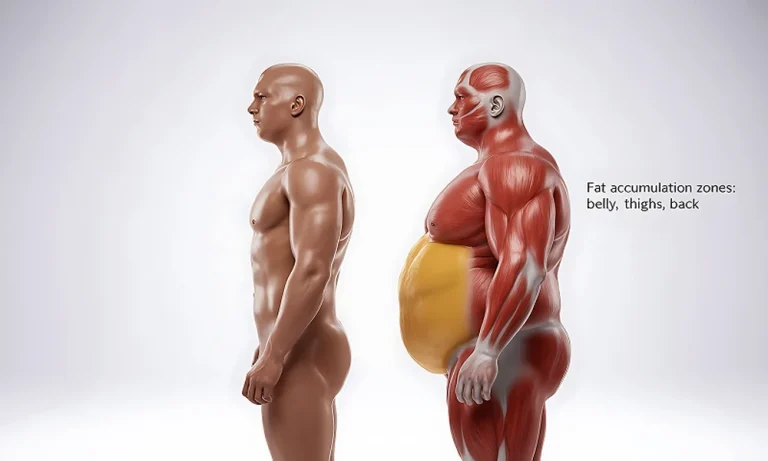
- Fat cells in different areas of the body can respond differently to diet, exercise, and hormonal changes.
- Genetics and hormone receptor density play a role in why certain areas feel more resistant than others.
- The submental area, commonly known as the double chin, is one of the more frequently raised concerns during consultations.
- Non-invasive options exist for some of these areas, though suitability always depends on an individual clinical assessment.
Two people following an identical diet and exercise routine can still lose weight from noticeably different areas first. This isn’t random. Fat cell distribution, hormone receptor density, and genetics all influence which areas of the body tend to respond quickly and which ones hold on longer, regardless of how consistent the underlying effort has been.
Why Some Areas Resist Diet and Exercise More Than Others
Certain areas contain fat cells with a higher density of receptors that respond to hormones involved in fat storage, which can make them noticeably slower to shrink through diet and exercise alone, even when overall body fat is decreasing steadily elsewhere. This is part of why fat freezing therapy is sometimes raised as an option during consultations, since it’s generally designed to target localised pockets of fat directly rather than relying on further diet or exercise changes to reach them.
1. The Abdomen and Flanks
The abdomen and flanks are commonly raised areas of concern, partly because fat here tends to be more visible under clothing and partly because it can genuinely be one of the more stubborn regions for some body types. Age, hormonal changes, and genetics all influence how this area behaves over time, which is why two people at a similar body fat percentage can still carry noticeably different amounts around the midsection.
Stress and sleep quality also appear to play a role in how fat accumulates around the midsection specifically, adding another layer to why this particular area can feel disproportionately difficult to shift compared with others, even for people who are otherwise consistent with their routine.
2. The Thighs and Hips
The thighs and hips tend to follow a similar pattern to the abdomen in terms of stubbornness, though the underlying reasons differ somewhat. This area often responds more to changes over a longer timeframe than to any single adjustment in diet or training, which can make progress here feel slower even when it’s genuinely happening.
For many people, particularly women, the thighs and hips store fat more readily due to hormonal factors, and this area can be similarly slow to respond to general weight loss efforts. A broader assessment through a weight loss clinic in Singapore can help clarify whether a particular area is genuinely resistant, or whether overall progress has simply plateaued for other reasons discussed elsewhere on this site.
Comparing progress across different areas of the body, rather than focusing on just one, often gives a clearer sense of whether an area is truly resistant or simply following its own pace.
3. The Submental Area, Commonly Known as the Double Chin
Out of all the areas raised during consultations, this one tends to carry a disproportionate amount of frustration, largely because it’s so visible and so difficult to influence through general weight loss. Someone can be at a healthy, stable weight for years and still feel that this specific area doesn’t reflect the rest of their body.
The area beneath the chin is one of the more frequently raised concerns during consultations, often because it can persist even in people who are otherwise at a stable, healthy weight. Genetics and skin laxity both play a role here, which is why diet and exercise alone don’t always change its appearance. For this specific area, double chin removal is a common search term, though any approach here should be discussed with a doctor first, since suitability depends on the individual’s anatomy and skin condition.
Knowing the Difference Between Slow Progress and a Resistant Area
It isn’t always obvious, from the outside, whether a stubborn area simply needs more time or whether it’s genuinely resistant to further change through lifestyle adjustments alone. This distinction usually needs a proper assessment rather than guesswork, particularly for anyone who has been consistent with diet and exercise without seeing much change in a specific area.
Measurements, photos taken consistently over time, and how clothing fits can all offer useful context beyond the scale alone, particularly when trying to work out whether a specific area is actually changing more slowly than the rest of the body.
Wondering why a specific area isn’t responding the way the rest of your body has? Contact Halley Body Slimming Clinic to arrange a consultation with our team.