Tag

traditional chinese medicine

Browsing

Eczema is a group of inflammatory skin conditions that can cause itching, dryness, redness, oozing and changes in skin texture. The appearance and severity of these symptoms can vary between individuals and across different stages of a flare.

Traditional Chinese Medicine (TCM) uses a process commonly described as pattern differentiation. Rather than classifying eczema solely by its visible appearance, practitioners may consider the characteristics of the skin alongside other reported symptoms to identify a TCM pattern.

This means that Chinese medicine for eczema may distinguish between presentations such as dry, weeping and strongly inflamed skin. These descriptions can overlap and are not substitutes for a conventional medical diagnosis.

How Does TCM Differentiate Dry Eczema?

Dry eczema commonly involves rough, scaly, cracked or thickened skin. Itching may also be prominent, particularly when the skin barrier is dry and irritated.

Within TCM theory, practitioners assess these visible characteristics as part of a broader pattern. Dryness may be interpreted differently depending on factors such as how long the symptoms have been present and whether other skin changes occur at the same time.

A TCM assessment may consider:

  • The degree of dryness, scaling or cracking
  • Whether the affected skin has become thickened from repeated scratching
  • The intensity and timing of itching
  • The colour and appearance of the affected areas
  • Whether dryness is persistent or changes during a flare
  • Other symptoms reported during consultation

Dry eczema therefore refers to more than one fixed TCM pattern. That said, when looking for a good TCM for eczema, individual pattern assessment is relevant because similar-looking dryness may be interpreted differently depending on the wider presentation.

In summary, dry eczema is differentiated mainly by its lack of moisture, scaling and related skin changes, while TCM assessment considers these signs alongside the individual’s broader symptoms.

How Does TCM Differentiate Weeping Eczema?

Weeping eczema describes affected skin that releases clear or yellowish fluid. This can occur when inflamed skin develops small blisters or becomes damaged through scratching.

In TCM terminology, fluid-producing skin lesions may be considered when differentiating patterns traditionally associated with concepts such as “dampness”. These are concepts within the traditional TCM framework and should not be interpreted as equivalent to biomedical diagnoses or causes.

During an assessment, a practitioner may look at:

  • The amount and appearance of fluid
  • Whether blisters, crusting or broken skin are present
  • The degree of redness and itching
  • How quickly the skin changes
  • Whether dry and weeping areas occur together

Weeping skin also requires attention because damaged eczema-prone skin can become infected. Increasing pain, warmth, swelling, pus, fever or rapidly worsening symptoms should be medically assessed.

Overall, weeping eczema is distinguished by oozing or fluid-producing lesions. This provides a different set of observable characteristics from predominantly dry eczema and leads into the assessment of inflammation.

How Does TCM Differentiate Inflamed Eczema?

Inflammation is a fundamental feature of eczema. Depending on skin tone, active eczema may appear red, purple, grey or darker than the surrounding skin, and affected areas can feel warm, swollen, itchy or painful.

Within traditional TCM pattern differentiation, pronounced redness, warmth and irritation may be interpreted using concepts such as “heat”. As with dampness, heat is a traditional theoretical concept rather than a direct biomedical description of body temperature or inflammation.

A practitioner assessing inflamed eczema may consider:

  • The colour and extent of the affected skin
  • The intensity of itching or discomfort
  • Whether swelling or warmth is present
  • Whether there is oozing, crusting or dryness
  • How rapidly the flare developed

Inflamed eczema is not necessarily separate from dry or weeping eczema. A patch can be both dry and inflamed, while another may be inflamed and weeping.

In summary, TCM differentiates inflamed eczema by considering the severity and combination of observable signs. These findings then contribute to the broader pattern used to guide management.

How Does Eczema Pattern Differentiation Affect a TCM Management Approach?

Pattern differentiation is intended to individualise treatment within TCM practice. Two people with eczema may therefore receive different management approaches even when their skin conditions initially appear similar.

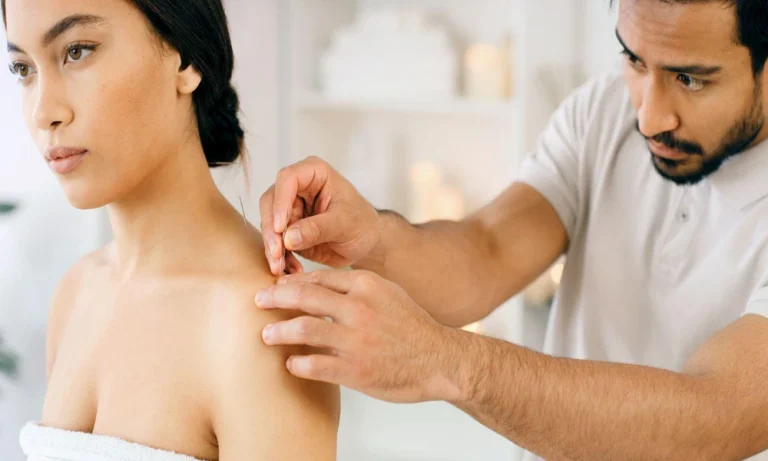
Depending on the assessment, Chinese medicine for eczema may involve modalities such as Chinese herbal medicine or acupuncture. The specific approach depends on the practitioner’s assessment, while evidence for individual TCM treatments can vary and should be considered alongside established eczema care.

Pattern differentiation also means the approach may be reviewed when symptoms change. For example, skin that is initially weeping and highly inflamed may later become predominantly dry as the flare settles.

TCM management should not replace appropriate medical assessment, particularly when eczema is severe, rapidly worsening or potentially infected. Conventional eczema management commonly includes avoiding known triggers, regular use of emollients and prescribed anti-inflammatory treatments where clinically appropriate.

Overall, differentiating dry, weeping and inflamed eczema helps TCM practitioners describe the individual’s current presentation within their traditional diagnostic framework. A good TCM eczema assessment should still recognise when symptoms require conventional medical evaluation or coordinated care.

Visit Tangs Clinical TCM to better understand whether your eczema presents with dry, weeping or inflamed characteristics
Key Takeaways

  • A professional gua sha facial in Singapore stimulates lymphatic drainage to effectively reduce puffiness and define your natural facial contours.
  • Targeted eye gua sha therapy addresses the delicate skin around your eyes, helping to diminish the appearance of shadows and tension.
  • Regular professional sessions boost circulation, bringing fresh oxygen to your skin cells for a healthy, radiant complexion.
  • Expert therapists ensure the correct technique and pressure are applied, making the process both safe and highly effective.

Introduction

Have you ever looked in the mirror and felt that your skin needs a little extra help to look awake? Sometimes, the answer is not found in a complex, multi-step serum routine. Instead, it might be waiting in the ancient techniques of traditional Chinese medicine. The gua sha facial is exactly that: a blend of history and wellness that feels as good as it looks.

People often view facial treatments as a luxury for special occasions, but this practice is different. It works with your body, not against it. By encouraging natural movement in the skin, it helps release tension that accumulates from our daily stresses. Whether you are battling the humidity of the city or just trying to carve out a moment of calm, understanding this art can change how you approach your skincare.

Why Is A Gua Sha Facial In Singapore So Popular?

Living in a fast-paced city often means our skin carries the weight of our daily hustle. Between environmental pollutants and the constant pressure to remain productive, it is no wonder that congestion and dullness become common complaints. This is precisely why the gua sha facial in Singapore has surged in popularity. It offers a refreshing departure from synthetic treatments that often rely on heavy chemicals.

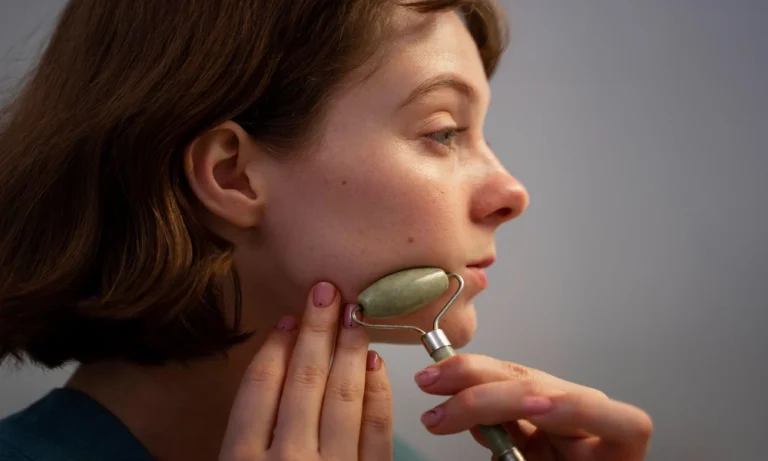
Rather than using harsh formulas, this therapy uses gentle, rhythmic strokes to encourage lymphatic drainage. Think of your face like a garden that needs a bit of weeding. By moving stagnant fluids away from the surface, the treatment helps reduce puffiness and clarifies your complexion. It feels like a gentle release of pressure. Many clients find that after a session, their jawline looks more defined and their skin tone feels more even. It is a practical way to manage the visible effects of stress, offering a calm, meditative experience that serves a clear purpose for your physical appearance.

Can Eye Gua Sha Brighten Your Tired Look?

Let’s be honest, the eyes often tell the first story about how tired we are. The skin here is thinner and more sensitive than on the rest of the face, so it tends to show fatigue, fluid retention, or darkness quite quickly. Standard massage techniques can sometimes be too aggressive for this delicate zone, which is why eye gua sha is a game-changer.

By working carefully along the orbital bone, this specific therapy calms the tissue and promotes better circulation. It is not about forcing change but rather encouraging the area to relax. When you sit in front of a screen for hours, the muscles around your eyes tense up, which can contribute to that heavy, strained look. Gentle, targeted strokes help to ease that tension and encourage drainage. The result? You look more alert and rested. It is a subtle but effective way to handle the signs of exhaustion, making it a perfect addition to any wellness-focused skincare regimen.

What Sets A Professional Treatment Apart From Home Tools?

It is easy to find gua sha tools in shops, and many people try them at home. However, there is a distinct difference between a quick sweep in front of your bathroom mirror and a session with a trained expert. Professional therapists understand the anatomy of your face, including exactly where the lymph nodes are and how much pressure is needed for your unique skin type.

When you go to a professional, you are not just getting a massage. You are getting a tailored experience. The therapist knows how to prepare the skin with the right oils to ensure the tool glides without dragging or causing micro-tears. They can identify blockages or tension points that you might miss while doing it yourself. Moreover, a professional setting provides the environment necessary to truly relax, which allows your facial muscles to let go of stored tension. Relying on an expert ensures that you receive the maximum benefits without the risk of accidental irritation.

Does Consistency Change The Long-Term Outcome?

You might notice an immediate glow after your first appointment, which is wonderful. But let’s keep it real: lasting improvements in skin texture and tone come from consistency. Just like you wouldn’t expect to be fit after one gym session, your skin needs regular attention to maintain its resilience.

The benefits of these treatments are cumulative. Frequent sessions help keep the circulation active and prevent the buildup of tension and fluid that causes puffiness. It turns the treatment into a foundation for your skin health rather than a temporary fix. Over time, your skin learns to recover faster and holds onto that natural glow for longer periods. It becomes less about fixing a problem and more about maintaining a baseline of health. By making this a regular part of your schedule, you support your skin’s ability to repair and refresh itself, ensuring you feel confident in your own skin every single day.

Final Thoughts

Gua sha is more than just a passing trend; it is a thoughtful, effective way to care for your skin from the inside out. By combining traditional methods with modern professional expertise, you can address concerns like puffiness, dullness, and tension naturally. It is a commitment to yourself that pays off in both how you look and how you feel.

Ready to see the difference for yourself? Contact 21st Century Beauty Spa to explore our range of treatments and book your session today.