
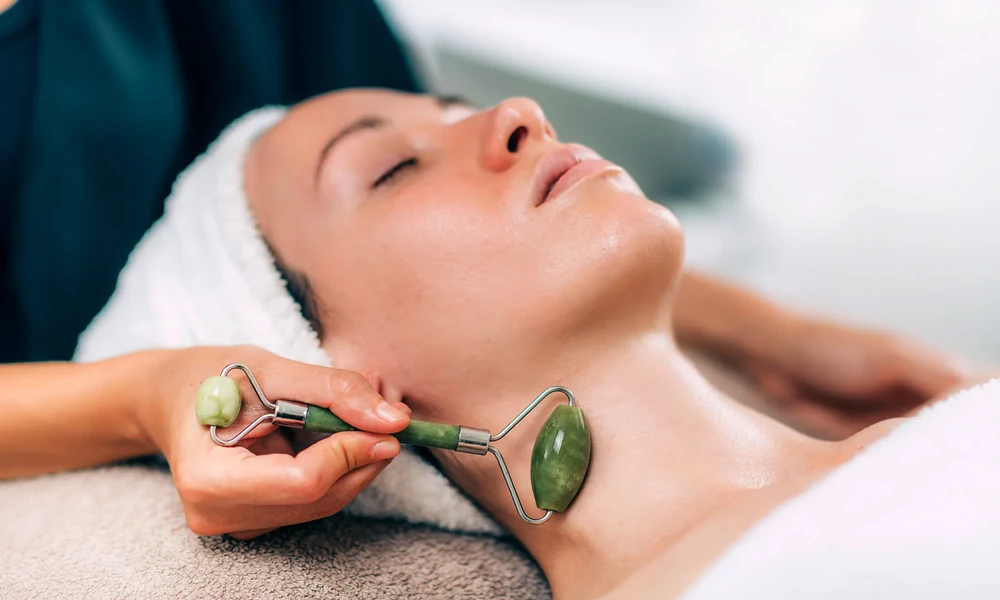
The skin and lymphatic system are closely connected through the movement of fluid, immune cells, and waste products within the body’s tissues. When lymphatic function is affected, fluid can accumulate in tissues and contribute to swelling or changes in skin texture. This relationship has encouraged interest in approaches designed to support lymphatic circulation as part of broader wellness and skin-care routines.
Electro lymphatic treatment is a complementary wellness approach that uses specialized equipment and gentle stimulation techniques with the goal of supporting lymphatic flow. Understanding how the lymphatic system works, what this therapy involves, and where it may fit within skin wellness can help individuals make informed decisions.
Understanding the Lymphatic System
The lymphatic system is a network of vessels, lymph nodes, and tissues that helps maintain fluid balance and plays an important role in immune function. Lymph fluid moves through this network before eventually returning to the bloodstream.
When lymphatic drainage is impaired, fluid may accumulate in tissues, resulting in swelling known as lymphedema. Persistent swelling can affect the skin and underlying tissues, making appropriate skin care an important part of lymphatic management.
Research on lymphatic therapies has primarily focused on conditions involving edema and lymphedema rather than general cosmetic skin concerns. Manual lymphatic drainage, for example, is commonly incorporated into comprehensive lymphedema management alongside compression, exercise, and skin care.
What Is Electro Lymphatic Therapy?
Electro lymphatic therapy treatments generally refers to a technique that combines gentle electrical stimulation with specialized equipment intended to encourage lymphatic movement. The exact technology, application method, and treatment protocol can vary between providers.
A session may involve a person remaining comfortably positioned while an operator applies the equipment to selected areas of the body. Practitioners may focus on areas where fluid movement is intended to be supported.
Because different devices can use different technologies, people considering this approach can ask about the equipment, treatment process, practitioner qualifications, and intended purpose before beginning a session.
Potential Connections With Skin Wellness
Healthy lymphatic circulation contributes to normal fluid balance within tissues. When swelling occurs, the skin may become stretched, firm, or more vulnerable to irritation. Appropriate management of lymphatic conditions can therefore include attention to skin health.
Research involving lymphatic therapies provides some insight into this connection. A randomized controlled trial examining manual lymphatic drainage in people with breast cancer-related lymphedema evaluated outcomes including tissue fluid, skin thickness, and skin elasticity.
The study found improvements over time across treatment groups, although adding manual lymphatic drainage produced limited additional benefits for several measured skin and fluid outcomes.
These findings relate specifically to manual lymphatic drainage and should not automatically be applied to every form of electrotherapy.
Supporting the Skin During Lymphatic Care
Skin care is an important component of managing lymphatic conditions. When swelling or lymphedema is present, protecting the skin from cuts, irritation, and infection can be particularly valuable.
A routine may include keeping the skin clean and moisturized, checking for changes, protecting vulnerable areas, and following recommendations provided by qualified healthcare professionals. Exercise and compression may also form part of comprehensive lymphedema care when clinically appropriate.
For individuals exploring electro lymphatic therapy, these established skin-care practices can remain important parts of a broader wellness plan rather than being replaced by a single technique.
What Research Can Tell Us
Research into electrical stimulation and lymphatic conditions has examined several forms of electrotherapy. For example, a randomized crossover trial investigated low-frequency, low-intensity electrotherapy in people with breast cancer-related lymphedema. The study found no significant difference in lymphedema volume compared with manual lymphatic drainage, while some measures of pain, heaviness, tightness, and quality of life improved.
However, different electrical therapies use different devices, frequencies, intensities, and treatment protocols. Results from one type of electrotherapy cannot necessarily be generalized to another.
This makes it useful to consider the specific technology and intended outcome when evaluating electro lymphatic therapy.
Who May Consider It?
People interested in lymphatic wellness may explore complementary approaches for various reasons, including an interest in relaxation, comfort, or supporting a broader self-care routine. However, individuals with unexplained swelling should first seek appropriate medical assessment.
Swelling can have many causes, including lymphatic disorders, venous problems, injury, medication effects, infection, or systemic medical conditions. Identifying the underlying cause helps determine which management strategies are appropriate.
Anyone with sudden swelling, significant pain, redness, warmth, shortness of breath, or other concerning symptoms should seek prompt medical attention.
Creating a Balanced Skin-Wellness Plan
Skin health is influenced by many factors, including hydration, nutrition, environmental exposure, skincare habits, and underlying health conditions. Lymphatic wellness is one aspect of this broader picture.
For someone considering electro lymphatic therapy, learning about the specific equipment, understanding its intended purpose, and discussing existing health conditions with a qualified professional can support informed decision-making.
Ultimately, electro lymphatic therapy may be considered as one complementary component of a personalized approach to wellness. Combining appropriate skin care, healthy lifestyle habits, professional assessment when needed, and evidence-informed lymphatic management can provide a thoughtful foundation for maintaining skin comfort and overall well-being.

Comments are closed.