
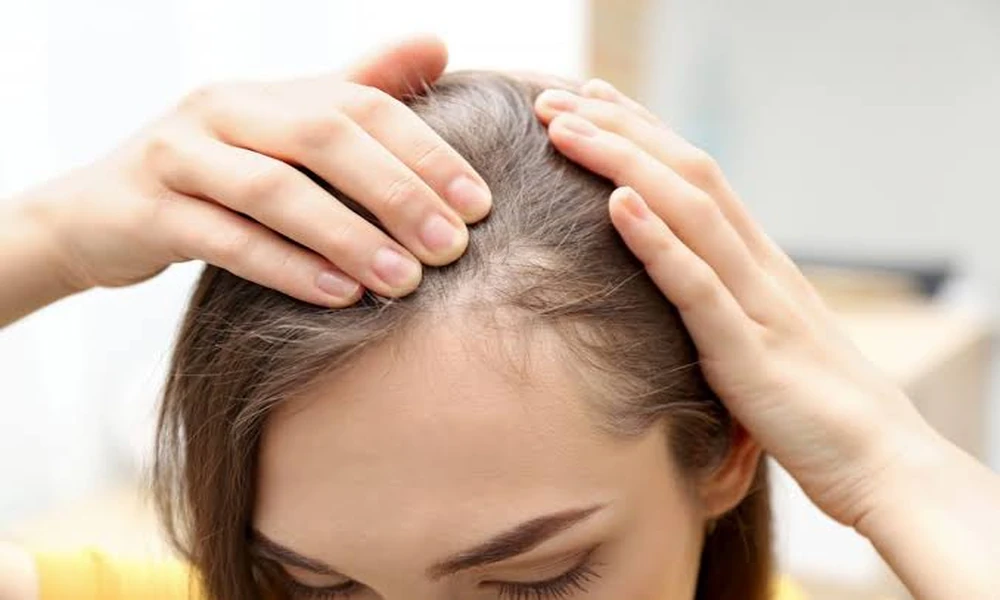
Alopecia areata is an autoimmune condition. It causes hair to fall out and often appears as round or oval spots on the scalp. Some individuals see hair come back on its own without the need for treatments. However, this is not the same for others.
The problem can flare again or spread with no clear warning. That is why getting checked early matters. Getting the right alopecia areata treatment helps decide the next steps to follow. If you are currently dealing with this condition, then here’s why you need to get the right assessment soon.
Find Out About the Root Cause
Hair shedding can start for many different reasons. In alopecia areata, the immune system mistakenly targets hair follicles. This is often caused by hormone changes, nutritional deficiency, and infections. This can also be caused by genetics. A visit to a health care provider can sort out the cause.
Check the Severity of Your Condition
Alopecia areata may start as a few small spots. It may also look like multiple patches across the scalp. In more extensive cases, it can involve most scalp hair. And sometimes, it’s more than just the scalp. Some individuals would lose eyebrow hair, eyelashes, or body hair. A healthcare provider can monitor your condition. They can verify the severity and how to proceed with treatment.
Pick A Treatment That Suits Your Needs
The best treatment plan depends on the person. There are also several factors to consider – age, severity, and past medical history. All these are looked into during the assessment. A clinician might suggest different types of treatment.
For some adults with more severe cases, care under a specialist may be needed to manage medications. A proper assessment helps align the treatment options with the expected pros and cons.
Check for Other Symptoms
Alopecia areata can occur alongside other immune conditions. During an assessment, the doctor will often first review your past medical history. They will also ask about your family history. Other changes in the body that happen at the same time as your alopecia must also be looked into.
Alopecia areata may not cause much else besides hair loss. Some notice no other physical signs at all. But not everyone has the same pattern. Other health issues can also happen:
- Nail changes
- Eyebrow loss
- Eyelash loss
- Scalp itching
- Scalp tingling
- Patchy beard loss
- Body hair loss
Prepare for Possible Hair Return
Hair may come back in different ways. Some people notice new growth without any added treatments. Others may get new patches later, or they may see hair thinning spread over time. A doctor can review your case and share what could be expected to happen. Still, exact outcomes are hard to determine.
Discuss Emotional Well-Being
Hair loss can affect your confidence. It can also have a major influence on your social comfort. And this can affect your emotional wellbeing, even when there is no pain. A careful assessment gives you a safe space to share how this experience has been for you.
Some people do well with counseling or support from others who understand their situation. Group programs may help, too. Your doctor can help you decide on the next steps to help boost your self-worth.
Conclusion
A careful assessment is often the first step in the care and management of alopecia areata. A doctor can help guide the next steps in treatment. You might find this useful for spotting issues before they get worse.
If you start losing hair out of nowhere, or if you see thinning and you cannot explain it, reach out to a doctor you feel comfortable with. They can review your condition and suggest the next steps.

Comments are closed.