Category

Parenting

Category

Caring for a baby involves repeated movements throughout the day, including feeding, carrying, lifting and placing the baby down. These activities can affect how the neck, shoulders, back, hips and other parts of the body are positioned and loaded.

After pregnancy and childbirth, the body is also adjusting to changes in muscle function, movement and daily activity. Understanding how routine baby-care tasks influence posture can help identify movements that may contribute to discomfort and may be considered during post-natal physiotherapy in Singapore.

How Does Feeding a Baby Affect Post-Natal Posture?

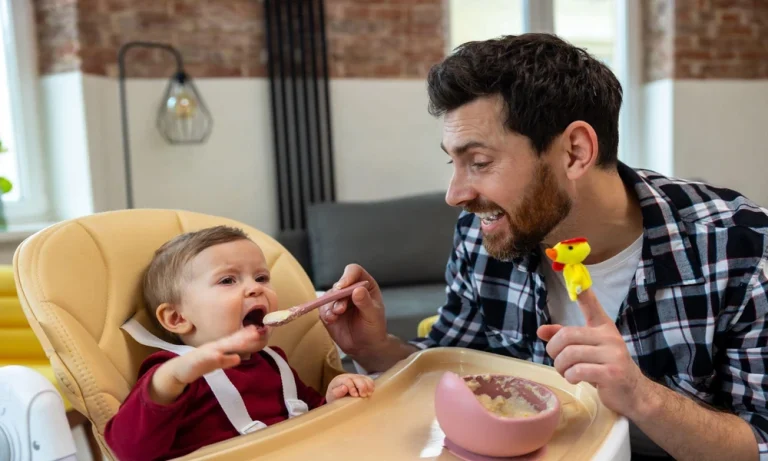
Feeding often requires staying in one position for an extended period. Whether breastfeeding or bottle-feeding, repeatedly looking down towards the baby can encourage the head and neck to move forwards.

Common postural patterns during feeding can include:

  • Bending the neck forwards to look at the baby.
  • Rounding the upper back while bringing the body towards the baby.
  • Holding the shoulders in a raised or forward position.
  • Leaning to one side to support the baby’s weight.
  • Remaining seated without changing position for prolonged periods.

Appropriate support can reduce the amount of effort required to maintain a feeding position. Supporting the back and arms and bringing the baby towards the body rather than repeatedly bending towards the baby can help maintain a more comfortable position.

Changing positions when appropriate may also reduce prolonged loading on the same muscles and joints. Overall, feeding can affect post-natal posture mainly through sustained and repetitive positioning.

How Does Carrying a Baby Affect Post-Natal Posture?

Carrying a baby adds an external load to the body. As the baby grows, the amount of weight being carried also increases, changing the physical demands of the task.

One-sided carrying is particularly relevant to posture. Holding a baby repeatedly on the same hip may lead a person to shift their trunk or pelvis to counterbalance the baby’s weight.

Several practical factors can influence the physical demands of carrying:

  • How long the baby is carried.
  • Whether the baby is consistently held on one side.
  • The position of the arms and shoulders.
  • The baby’s size and weight.
  • The use and positioning of a baby carrier, where applicable.

Alternating sides and keeping the baby reasonably close to the body can help distribute physical demands differently. A physiotherapist may also assess carrying habits as part of post-natal physiotherapy when they are associated with musculoskeletal discomfort.

In summary, carrying affects posture because the body continually adjusts to an additional load, particularly when that load is unevenly distributed.

How Does Lifting a Baby Affect Post-Natal Posture?

Parents and caregivers repeatedly lift babies from cots, beds, changing surfaces, floors and other positions. Each situation places different movement demands on the body.

For example, lifting from a low cot may involve bending forwards while reaching away from the body. Combining this movement with twisting can place additional demands on the back and surrounding muscles.

Useful movement principles include:

  • Moving close to the baby before beginning the lift.
  • Bending through the hips and knees where the situation allows.
  • Keeping the baby close to the body during the lift.
  • Turning with the feet rather than repeatedly twisting through the trunk.
  • Adjusting the environment where practical to reduce unnecessary reaching.

Persistent musculoskeletal pain may require assessment to determine its cause and appropriate management. Treatments such as shockwave therapy in Singapore are used for certain musculoskeletal conditions, but they are not a general treatment for post-natal posture and their suitability depends on the specific diagnosis.

Overall, lifting affects posture through repeated bending, reaching and load transfer, making movement technique relevant to managing physical demands.

How Do Feeding, Carrying and Lifting Combine to Affect the Body?

The effect of baby care is not limited to a single movement. Feeding, carrying and lifting are repeated throughout the day, meaning similar muscles and joints may experience frequent or sustained loading.

Areas that can be affected include:

  • Neck and shoulders: particularly with prolonged looking down, feeding and carrying.
  • Upper back: especially during rounded or forward-leaning positions.
  • Lower back: during repeated bending, lifting and prolonged sitting.
  • Hips and pelvis: particularly with one-sided carrying or weight shifting.
  • Wrists and hands: from supporting, holding and repositioning the baby.

Variation can therefore be important. Changing feeding positions, alternating carrying sides and using suitable lifting techniques can reduce repeated exposure to the same movement pattern.

If pain persists, limits normal activities or makes caring for the baby difficult, a healthcare professional can assess whether further management is appropriate. Post-natal physiotherapy may include assessment of posture, strength, movement patterns and the physical demands of everyday baby-care activities.

Taken together, feeding, carrying and lifting can influence post-natal posture because they involve frequent combinations of sustained positioning, external load and repetitive movement.

Visit Orchard Health Clinic to better understand your posture, movement patterns and recovery needs.
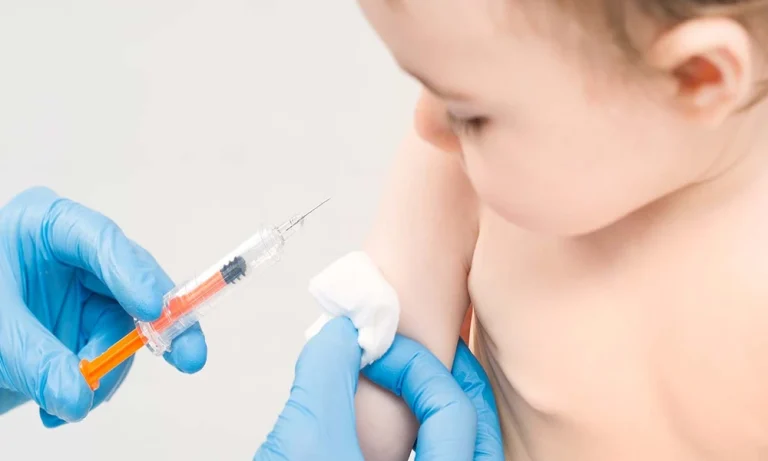
Baby vaccination in Singapore is an important part of early childhood care. Vaccines help protect babies from serious diseases such as measles, diphtheria, whooping cough, hepatitis B, and other infections that can cause severe illness in young children.

For working parents, though, vaccination days can feel hard to manage. There may be work meetings, childcare plans, travel time, feeding schedules, and worries about how the baby will feel after the jab.

The good news is that most babies have only mild side effects after vaccination. With a simple aftercare plan, parents can help their baby stay comfortable while keeping the rest of the day more manageable.

Why Vaccination Aftercare Matters

After vaccination, a baby’s immune system starts building protection. This can sometimes lead to mild fever, fussiness, sleepiness, soreness, or redness at the injection site.

These reactions are usually normal and should improve within a few days. They do not mean the vaccine has made the baby seriously unwell. In many cases, they are signs that the body is responding.

Aftercare matters because it helps parents notice what is normal, what needs attention, and how to comfort their baby during this short period.

What Working Parents Can Prepare Before the Visit

A smoother vaccination day often starts before leaving home. Parents who work full-time may find it helpful to plan the appointment around their baby’s usual routine where possible.

If the clinic visit is during a workday, try to avoid booking it right before an important meeting or long commute. Babies may be more clingy after the appointment, so having some buffer time can reduce stress.

  • Baby’s health booklet or vaccination record
  • Extra diapers and wipes
  • A clean change of clothes
  • Milk, water, or feeding items
  • A favourite small toy or comfort item
  • A light blanket
  • Any medicine the doctor has advised

Parents should also let the doctor know if the baby has fever, is acutely unwell, or had a serious reaction to a previous vaccine. In some cases, the doctor may advise delaying the vaccination until the baby is better.

What to Expect Right After the Jab

Some babies cry for a short time after the injection. Others settle quickly after being carried, fed, or cuddled. This is common.

The clinic may also advise a short period of observation, especially to watch for rare allergic reactions. Serious reactions are uncommon, but it is still important to stay alert.

After the visit, babies may be sleepier than usual. Some may feed less for a short while. Others may want to be held more often. These changes are usually mild and temporary.

For baby vaccination in Singapore, parents should follow the National Childhood Immunisation Schedule and ask the clinic when the next dose is due. Some vaccines need more than one dose to give proper protection.

How to Comfort Your Baby at Home

A calm home routine can make the rest of vaccination day easier. Keep the baby in light clothing and avoid over-wrapping, especially if there is a mild fever.

Parents can help by:

  • Offering breast milk or formula as usual
  • Letting the baby rest when sleepy
  • Holding or rocking the baby gently
  • Keeping the room cool and comfortable
  • Using a cool cloth near the injection area if advised
  • Avoiding pressure or rubbing on the injection site

It is normal for working parents to feel worried when a baby seems unsettled. Try to watch the baby’s overall behaviour. A baby who still wakes, responds, feeds a little, and settles with comfort is often doing well.

Managing Fever After Vaccination

A mild fever may happen after some vaccines. Parents can check the baby’s temperature and keep the baby hydrated.

Do not give fever medicine unless a doctor has advised it, especially for very young babies. The correct dose depends on the baby’s age and weight.

Call a doctor if the fever is high, lasts longer than expected, or comes with worrying signs such as poor feeding, unusual drowsiness, breathing difficulty, persistent crying, rash, swelling of the face, or seizures.

Parents should also seek care if the injection site becomes very swollen, very painful, or looks infected.

Planning Work Around Vaccination Days

Working parents often need to balance leave, clinic schedules, and caregiving. A little planning can help.

If possible, book the visit when at least one parent or trusted caregiver can be available for the rest of the day. Some babies are completely fine after vaccination, but others need extra comfort.

Parents can also prepare a simple handover note for caregivers. Include the vaccine given, the time of the appointment, feeding details, temperature readings, and any advice from the doctor.

This helps grandparents, helpers, or childcare providers know what to watch for.

Keeping Records and Follow-Up Dates

Vaccination records are important for childcare, school, travel, and future medical visits. Parents should keep the baby health booklet updated and store clinic documents safely.

Some clinics may also check past records and help parents plan catch-up vaccinations if a dose was missed.

For example, Love & Joy Family Clinic supports childhood vaccination and developmental screening, including checks of growth, milestones, and vaccination records during suitable visits. This can help parents keep care more organised without adding unnecessary appointments.

When to Reschedule a Vaccination

Parents should not skip vaccines without medical advice. However, there are times when it may be better to check with a doctor first.

A baby who has a high fever or is very unwell may need to wait. If the baby only has mild symptoms, the doctor can advise whether it is still safe to proceed.

The key is not to guess. A short medical check can help parents decide safely and avoid long delays in protection.

Final Thoughts

Baby vaccination in Singapore helps protect infants during their most vulnerable years. For working parents, the clinic visit is only one part of the process. Good aftercare, clear records, and simple planning can make vaccination days easier.

Most babies recover quickly after their jabs. With comfort, rest, feeding, and careful watching, parents can support their baby while keeping work and family life on track.