
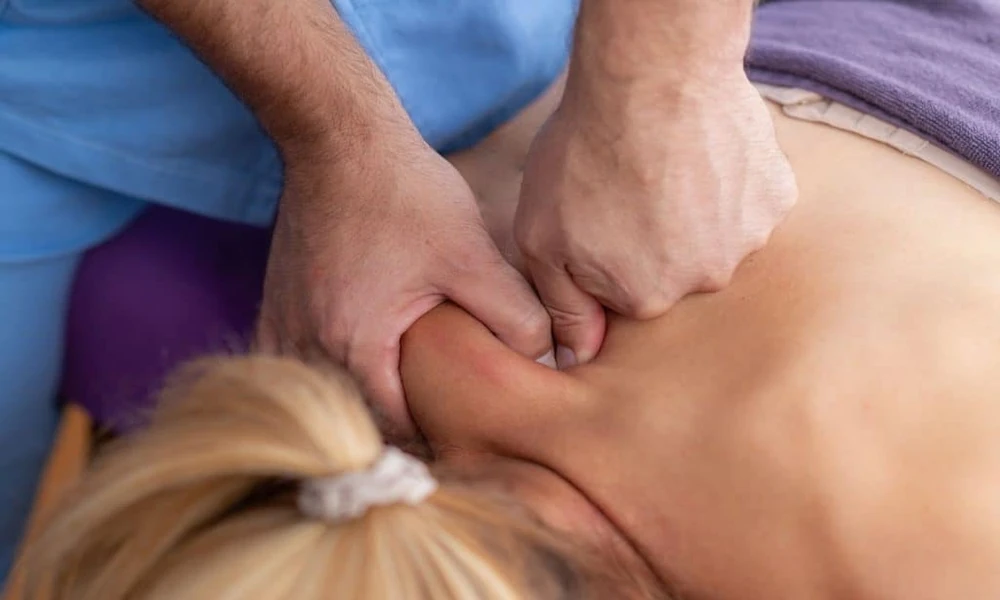
Walk into a chiropractic clinic expecting only cracking and popping sounds and you will likely be surprised by how much of the actual hands-on time is spent on muscle, fascia, and tendon rather than the spine itself. Soft tissue work forms the connective layer of most treatment plans, preparing the body for adjustment, addressing pain that has no clean joint-based explanation, and helping patients maintain gains between visits. In a city where air-conditioned offices, long commutes, and humid outdoor conditions all place different demands on the body, the mix of techniques a clinic reaches for tends to be broader than a single-style massage practice would offer.
Effleurage and Warming the Tissue
Most soft tissue sessions begin with effleurage, a series of long, gliding strokes applied with moderate pressure along the length of a muscle group. This opening phase is less about deep therapeutic change and more about assessment and preparation, giving the practitioner a feel for where tissue is unusually tight, where temperature or texture changes suggest inflammation, and where the patient reflexively tenses up under touch. It also increases local blood flow and signals the nervous system to shift out of a guarded state, which makes the deeper work that follows considerably more comfortable and effective than diving straight into firm pressure on cold tissue.
Trigger Point Compression
Once the tissue has been warmed, many practitioners move to sustained compression over specific trigger points, small hyperirritable nodules within a taut muscle band that can refer pain to other parts of the body when pressed. Holding firm, steady pressure on one of these points for a stretch of time, rather than rubbing across it, tends to produce a release felt as the tissue softening and the referred pain sensation easing under the practitioner’s fingers. This technique is particularly common for the upper trapezius and levator scapulae muscles at the top of the shoulders, an area that carries an outsised share of tension for people who spend long stretches typing with shoulders subtly hiked upward.
Myofascial Release for Restricted Movement
Fascia, the connective tissue web that surrounds and links muscles throughout the body, can become restricted and less pliable after injury, surgery, or simply years of repetitive movement patterns, and myofascial release techniques address this layer specifically rather than the muscle belly underneath. The practitioner applies slow, sustained pressure and gentle stretching along fascial lines, waiting for the tissue to soften and lengthen rather than forcing a change, which distinguishes the approach from more vigorous massage strokes. Because fascia connects distant parts of the body, restriction found in the hip can sometimes be traced back to compensations originating near the ankle or the opposite shoulder, and treating it as a connected system rather than isolated muscle groups often explains improvements that seem to happen in an unrelated area.
Deep Stroking Along Muscle Fibres
Deep, slow strokes applied directly along the direction of muscle fibres, sometimes called stripping, are used to address adhesions and areas of chronic tightness that have built up layer by layer over time. This differs from effleurage mainly in depth and pace, sinking further into the tissue and moving more deliberately so the practitioner can feel and work through bands of restriction rather than simply skimming the surface. It tends to produce a distinct, sometimes intense sensation during the stroke itself, followed by a noticeable loosening once the pass is complete, and is often reserved for areas that have shown resistance to lighter techniques earlier in the session.
Cross-Fibre Friction for Tendon Issues
For tendon-related complaints, such as tennis elbow or irritation around the Achilles tendon, cross-fibre friction is a more targeted technique that moves perpendicular to the direction of the fibres rather than along them. Applied with the fingertips or thumb in a back-and-forth motion over a small, specific area, this technique aims to break up disorganised scar tissue and encourage the collagen fibres to realign in a more functional pattern as healing progresses. It is generally more localised and shorter in duration than the broader strokes used on larger muscle groups, reflecting the smaller, denser structure of tendon tissue compared to muscle.
Matching Technique to the Individual
The combination of techniques used in any given session depends on what the practitioner finds during assessment rather than following a fixed sequence for every patient, which is part of why sessions structured around injury-related soft tissue therapy tend to look different from one appointment to the next even for the same person. A desk-bound professional dealing with upper trapezius tension needs a different emphasis than someone recovering from a calf strain picked up during a weekend run, and the practitioner’s hands adjust accordingly, spending more time in areas that resist change and moving efficiently through tissue that responds quickly.
Integrating Soft Tissue Work With Ongoing Care
None of these techniques exist in isolation from the rest of a treatment plan, and most clinics use soft tissue findings to inform decisions about adjustment frequency, exercise recommendations, and how a patient’s daily habits might be feeding the tension pattern in the first place. Tissue that keeps re-tightening in the same location despite repeated treatment is often a signal that something in posture, workstation setup, or movement habits needs attention alongside the hands-on work, and practitioners who track these patterns over several visits can spot that connection well before the patient does.

Comments are closed.