
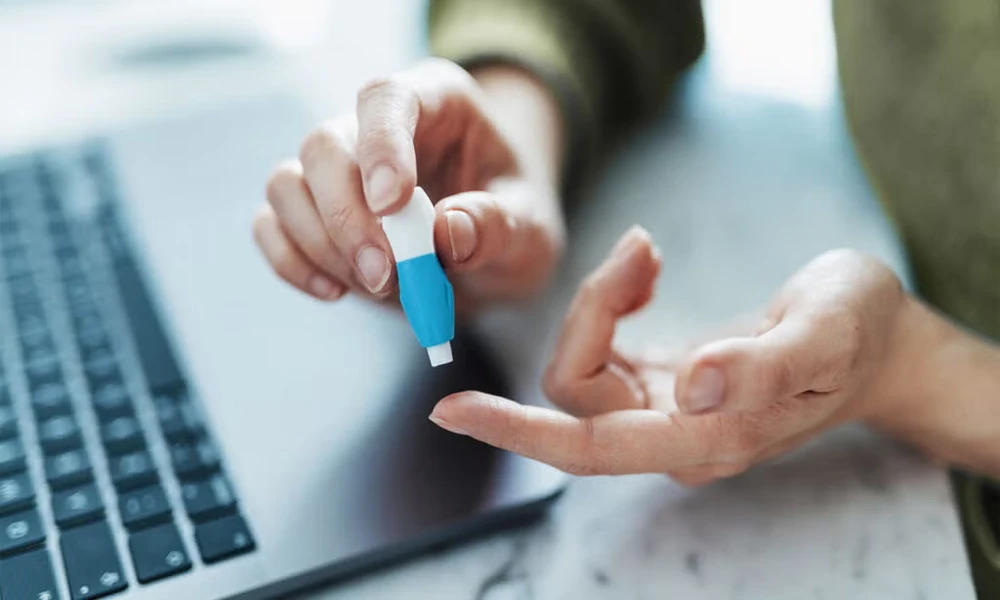
After a possible exposure, it is normal to feel worried and want answers quickly. Many people search online, count the days, and take the first test they can find. While testing is the right step, the timing of the test matters just as much as the test itself.
This is where STD test timing becomes important. Testing too early can sometimes give a negative result even if an infection is still developing. This can lead to false reassurance, delayed treatment, and ongoing risk to partners.
Understanding when to test, when to repeat a test, and when to speak to a doctor can help you make safer and clearer decisions.
What Does STD Test Timing Mean?
STD test timing refers to the best time to take a test after possible exposure. Different infections take different amounts of time to show up on tests. This period is often called the “window period.”
During the window period, the infection may be present in the body, but the test may not be able to detect it yet. This does not mean the test is poor quality. It simply means the body or the infection has not produced enough detectable signs yet.
For example, some tests look for the infection itself. Others look for antibodies, which are produced by the immune system after exposure. These antibodies can take time to appear.
Why Testing Too Early Can Be Misleading
Many people test a few days after exposure because they want peace of mind. A negative result may feel comforting, but it may not always give the full picture.
Testing too early can be misleading because:
- The infection may not have reached detectable levels yet
- Symptoms may not appear right away
- Some infections can be silent for weeks
- A repeat test may still be needed later
This is why guessing the right testing date can be risky. A person may think they are clear, continue normal sexual activity, and unknowingly pass an infection to someone else.
Common STDs Have Different Testing Windows
There is no single perfect day to test for every STD. The timing depends on the type of infection, the test used, and the person’s risk level.
Chlamydia And Gonorrhoea
Chlamydia and gonorrhoea are common bacterial STDs. They are often tested using urine samples or swabs. Many people do not have symptoms, so testing is important even when everything feels normal.
A doctor may recommend testing after a short waiting period and may advise repeat testing if the exposure was very recent or if symptoms appear later.
HIV
HIV testing depends on the type of test used. Some tests can detect HIV earlier than others, but no HIV test can detect infection immediately after exposure.
This is why a doctor may ask when the exposure happened and what type of exposure it was. In some cases, urgent care is needed within 72 hours to discuss HIV post-exposure prophylaxis, also called PEP.
Syphilis
Syphilis is usually checked through a blood test. It may take time for the body to show signs that a test can detect. If the first test is done too early, a repeat test may be needed.
Herpes
Herpes testing can be more complex. A swab may be useful when there are active sores. Blood tests may show past exposure, but timing and symptoms matter. A doctor can explain which test is suitable.
Symptoms Are Not A Reliable Guide
Some people wait for symptoms before testing. Others assume they are fine because they feel well. Both approaches can be risky.
Many STDs can have mild symptoms or no symptoms at all. When symptoms do happen, they may include:
- Pain when passing urine
- Unusual discharge
- Genital sores, blisters, or rashes
- Lower abdominal pain
- Pain during sex
- Swollen glands
- Fever or body aches
These symptoms can also be caused by other conditions. This is why testing and medical advice are better than guessing.
Why A Doctor Should Guide Your Testing Timeline
A doctor does more than order a standard panel. They look at your situation and recommend tests based on your exposure, symptoms, and timing.
A proper discussion may include:
- When the exposure happened
- Whether protection was used
- The type of sexual contact
- Any symptoms you have noticed
- Past STD history
- Whether your partner has symptoms or a known infection
This helps avoid unnecessary tests while making sure important infections are not missed.
At LoveJoy Family Clinic, STD screening may include blood tests, urine tests, or swabs depending on the concern. The clinic also notes that medical information is kept confidential, and the doctor can advise on suitable screening based on symptoms and the last exposure.
When You May Need Repeat Testing
A first test is not always the final answer. Repeat testing may be needed when:
- The first test was done very soon after exposure
- There was high-risk exposure
- Symptoms appear after a negative result
- A partner later tests positive
- The doctor advises follow-up for a specific infection
This does not mean you should panic. It simply means the testing plan should match the window period.
If you are unsure when to test, it is safer to ask a doctor instead of choosing a random date. A guided plan can help you avoid both over-testing and false reassurance.
What To Do While Waiting For The Right Test Date
Waiting can feel stressful, but there are practical steps you can take.
Until your doctor confirms it is safe, you may want to:
It is also helpful to write down the exposure date and any symptoms. This makes the consultation clearer.
Taking The Next Step With Confidence
Good sexual health care is not about fear or shame. It is about getting the right information at the right time. The right STD test timing can help you avoid false reassurance and make better decisions for yourself and your partner.
If you are worried after a recent exposure, book a confidential STD test timing consultation instead of guessing. A doctor-guided STD testing timeline can give you clearer answers and help you know whether follow-up testing is needed.

Comments are closed.