
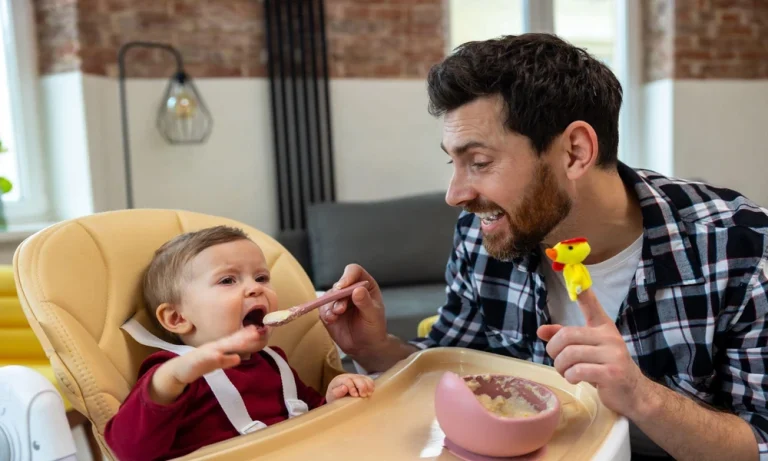
Caring for a baby involves repeated movements throughout the day, including feeding, carrying, lifting and placing the baby down. These activities can affect how the neck, shoulders, back, hips and other parts of the body are positioned and loaded.
After pregnancy and childbirth, the body is also adjusting to changes in muscle function, movement and daily activity. Understanding how routine baby-care tasks influence posture can help identify movements that may contribute to discomfort and may be considered during post-natal physiotherapy in Singapore.
How Does Feeding a Baby Affect Post-Natal Posture?
Feeding often requires staying in one position for an extended period. Whether breastfeeding or bottle-feeding, repeatedly looking down towards the baby can encourage the head and neck to move forwards.
Common postural patterns during feeding can include:
- Bending the neck forwards to look at the baby.
- Rounding the upper back while bringing the body towards the baby.
- Holding the shoulders in a raised or forward position.
- Leaning to one side to support the baby’s weight.
- Remaining seated without changing position for prolonged periods.
Appropriate support can reduce the amount of effort required to maintain a feeding position. Supporting the back and arms and bringing the baby towards the body rather than repeatedly bending towards the baby can help maintain a more comfortable position.
Changing positions when appropriate may also reduce prolonged loading on the same muscles and joints. Overall, feeding can affect post-natal posture mainly through sustained and repetitive positioning.
How Does Carrying a Baby Affect Post-Natal Posture?
Carrying a baby adds an external load to the body. As the baby grows, the amount of weight being carried also increases, changing the physical demands of the task.
One-sided carrying is particularly relevant to posture. Holding a baby repeatedly on the same hip may lead a person to shift their trunk or pelvis to counterbalance the baby’s weight.
Several practical factors can influence the physical demands of carrying:
- How long the baby is carried.
- Whether the baby is consistently held on one side.
- The position of the arms and shoulders.
- The baby’s size and weight.
- The use and positioning of a baby carrier, where applicable.
Alternating sides and keeping the baby reasonably close to the body can help distribute physical demands differently. A physiotherapist may also assess carrying habits as part of post-natal physiotherapy when they are associated with musculoskeletal discomfort.
In summary, carrying affects posture because the body continually adjusts to an additional load, particularly when that load is unevenly distributed.
How Does Lifting a Baby Affect Post-Natal Posture?
Parents and caregivers repeatedly lift babies from cots, beds, changing surfaces, floors and other positions. Each situation places different movement demands on the body.
For example, lifting from a low cot may involve bending forwards while reaching away from the body. Combining this movement with twisting can place additional demands on the back and surrounding muscles.
Useful movement principles include:
- Moving close to the baby before beginning the lift.
- Bending through the hips and knees where the situation allows.
- Keeping the baby close to the body during the lift.
- Turning with the feet rather than repeatedly twisting through the trunk.
- Adjusting the environment where practical to reduce unnecessary reaching.
Persistent musculoskeletal pain may require assessment to determine its cause and appropriate management. Treatments such as shockwave therapy in Singapore are used for certain musculoskeletal conditions, but they are not a general treatment for post-natal posture and their suitability depends on the specific diagnosis.
Overall, lifting affects posture through repeated bending, reaching and load transfer, making movement technique relevant to managing physical demands.
How Do Feeding, Carrying and Lifting Combine to Affect the Body?
The effect of baby care is not limited to a single movement. Feeding, carrying and lifting are repeated throughout the day, meaning similar muscles and joints may experience frequent or sustained loading.
Areas that can be affected include:
- Neck and shoulders: particularly with prolonged looking down, feeding and carrying.
- Upper back: especially during rounded or forward-leaning positions.
- Lower back: during repeated bending, lifting and prolonged sitting.
- Hips and pelvis: particularly with one-sided carrying or weight shifting.
- Wrists and hands: from supporting, holding and repositioning the baby.
Variation can therefore be important. Changing feeding positions, alternating carrying sides and using suitable lifting techniques can reduce repeated exposure to the same movement pattern.
If pain persists, limits normal activities or makes caring for the baby difficult, a healthcare professional can assess whether further management is appropriate. Post-natal physiotherapy may include assessment of posture, strength, movement patterns and the physical demands of everyday baby-care activities.
Taken together, feeding, carrying and lifting can influence post-natal posture because they involve frequent combinations of sustained positioning, external load and repetitive movement.
Visit Orchard Health Clinic to better understand your posture, movement patterns and recovery needs.