Tag

singapore

Browsing

Key Highlights

  • Hearing a loud popping sound or crack during an impact often signals a bone fracture.
  • Inability to place weight on the injured foot points toward severe structural damage.
  • Seeking rapid medical assessment prevents misdiagnosed soft tissue injuries from worsening.
  • Diagnostic imaging tools provide immediate clarity regarding joint integrity and alignment.

Identifying Ankle Injuries

Rolling an ankle on uneven pavement or during a casual sporting session happens in a split second. Pain, rapid swelling, and bruising usually follow immediately, making it tricky to determine whether you have suffered a minor ligament strain or a serious bone injury. Suffering a broken ankle requires immediate medical attention to ensure bone fragments heal in proper alignment.

Ignoring severe symptoms or assuming a fracture is merely a simple sprain leads to prolonged discomfort and joint instability. Consulting reputable orthopaedic centres in Mount Elizabeth Novena, Singapore allows patients to access comprehensive diagnostic scans and expert clinical evaluations. Understanding key differences between soft tissue tears and structural bone breaks helps you make informed choices regarding urgent medical care.

Assessing Immediate Physical Symptoms

Experiencing an acute joint injury triggers instant inflammation, localised pain, and immediate mobility limitations across the foot. Sprains involve stretched or torn ligaments, whereas a broken ankle means one or more bones forming the joint have cracked or shattered. Noticing these warning signs early helps you distinguish a minor sprain from a severe bone fracture before heading to the clinic.

  • Structural Deformity: Severe bone fractures frequently cause visible crookedness, awkward joint alignment, or bone fragments pressing directly against the skin.
  • Inability to Bear Weight: Soft tissue sprains often allow limited weight-bearing despite throbbing pain, whereas broken bones make standing or walking almost impossible.
  • Rapid, Deep Bruising: Severe structural breaks cause deep discolouration and extensive bruising that spreads quickly down toward the toes.
  • Nerve and Blood Flow Changes: Experiencing sudden numbness, tingling, or a cold sensation in your toes may indicate nerve compression or reduced blood circulation.

Noticing any of these severe physical indicators requires immediate clinical evaluation to ensure soft tissue, nerve, and vascular complications receive prompt treatment.

Diagnostic Procedures and Imaging

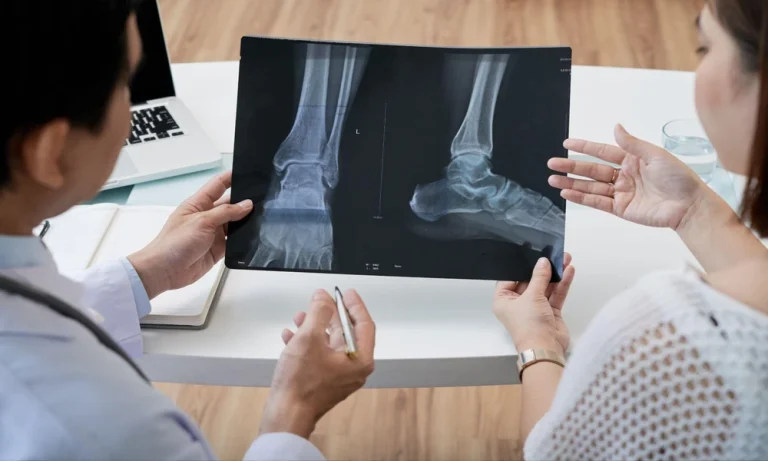
Visual inspections alone cannot definitively separate severe ligament tears from partial bone cracks around complex joint structures. Medical specialists rely on digital X-rays to visualise bone structure, pinpoint exact fracture lines, and check joint alignment. Visiting established orthopaedic centres in Mount Elizabeth Novena, Singapore provides access to advanced imaging technologies for precise structural diagnosis.

Magnetic resonance imaging or computed tomography scans may be recommended when complex joint surfaces or soft tissues require deeper inspection. Detailed imaging reveals subtle hairline stress fractures or ligament avulsions that standard radiographs might miss.

Receiving an accurate initial diagnosis prevents incorrect self-treatment and unnecessary physical strain on damaged joint tissues. Precise medical data guides targeted recovery plans tailored specifically to your injury severity.

Understanding Potential Complications

Treating a structural bone fracture as a simple strain leads to improper bone fusion, chronic pain, and long-term joint stiffness. Walking continuously on a broken ankle disrupts natural alignment, accelerating cartilage wear and increasing risks of post-traumatic arthritis. Untreated instability forces the surrounding muscles to overcompensate, leading to altered gait mechanics and secondary knee or hip discomfort.

Ligaments healing around misaligned bones remain loose, leaving the joint prone to recurrent rolling injuries during routine activities. Chronic swelling and persistent weakness often signal that an earlier injury failed to mend correctly.

Early medical intervention stabilises bone fragments, allowing delicate cartilage and surrounding connective tissues to recover without permanent stress. Proper management protects joint longevity and restores smooth, pain-free mobility.

Treatment Options and Recovery Pathways

Dealing with a foot or ankle injury really comes down to whether the bones stayed where they belong or shifted out of place. Minor cracks usually just need some time locked in a boot, while more complicated breaks require a bit of heavy lifting to get everything lined up right.

Injury Type & Severity Primary Medical Action Expected Recovery Focus
Non-Displaced Fractures Protective casting or walking boots to keep the joint completely still. Natural bone healing supported by strict physical rest and weight protection.
Displaced / Complex Breaks Surgical realignment using metal plates, screws, or pins to secure bone fragments. Structural stabilisation followed by controlled, gradual tissue recovery.
Post-Immobilization Phase Targeted physical therapy focusing on flexibility, strength, and balance work. Rebuilding lower leg muscle mass and restoring full joint range of motion.

Rehabilitation is easily the most crucial part of getting back on your feet, especially if you plan on returning to sports or demanding workouts. Once the bone heals, your muscles and ligaments are usually weak and stiff, meaning you have to actively retrain the joint to handle your body weight again. Working through tailored exercises under the guidance of orthopaedic centres in Mount Elizabeth Novena, Singapore helps rebuild lower leg strength, restore natural mobility, and prevent long-term joint instability so you can move confidently without re-injuring yourself.

Securing Your Mobility and Recovery

Distinguishing between a severe ankle sprain and a structural bone fracture requires careful attention to pain intensity, weight-bearing ability, and physical joint changes. Delaying proper medical evaluation risks long-term joint instability, chronic discomfort, and accelerated cartilage degeneration. Obtaining an accurate diagnostic assessment guarantees that bone and soft tissue structures recover safely and effectively.

Managing joint trauma correctly protects your overall mobility and helps you return to daily activities without lingering physical limitations. Specialist evaluation provides the precise diagnostic clarity and tailored treatment necessary for optimal long-term joint health.

Contact us at Specialist Orthopaedic Centre to schedule your clinical evaluation and receive expert orthopaedic care today.

Key Highlights

  • Fat cells in different areas of the body can respond differently to diet, exercise, and hormonal changes.
  • Genetics and hormone receptor density play a role in why certain areas feel more resistant than others.
  • The submental area, commonly known as the double chin, is one of the more frequently raised concerns during consultations.
  • Non-invasive options exist for some of these areas, though suitability always depends on an individual clinical assessment.

Two people following an identical diet and exercise routine can still lose weight from noticeably different areas first. This isn’t random. Fat cell distribution, hormone receptor density, and genetics all influence which areas of the body tend to respond quickly and which ones hold on longer, regardless of how consistent the underlying effort has been.

Why Some Areas Resist Diet and Exercise More Than Others

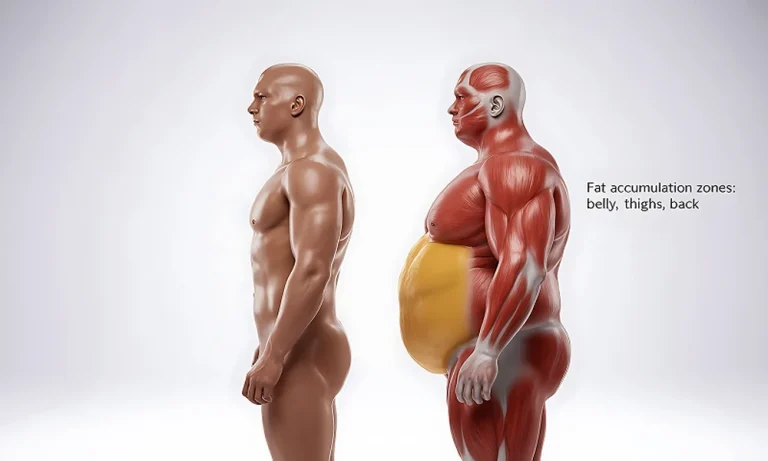
Certain areas contain fat cells with a higher density of receptors that respond to hormones involved in fat storage, which can make them noticeably slower to shrink through diet and exercise alone, even when overall body fat is decreasing steadily elsewhere. This is part of why fat freezing therapy is sometimes raised as an option during consultations, since it’s generally designed to target localised pockets of fat directly rather than relying on further diet or exercise changes to reach them.

1. The Abdomen and Flanks

The abdomen and flanks are commonly raised areas of concern, partly because fat here tends to be more visible under clothing and partly because it can genuinely be one of the more stubborn regions for some body types. Age, hormonal changes, and genetics all influence how this area behaves over time, which is why two people at a similar body fat percentage can still carry noticeably different amounts around the midsection.

Stress and sleep quality also appear to play a role in how fat accumulates around the midsection specifically, adding another layer to why this particular area can feel disproportionately difficult to shift compared with others, even for people who are otherwise consistent with their routine.

2. The Thighs and Hips

The thighs and hips tend to follow a similar pattern to the abdomen in terms of stubbornness, though the underlying reasons differ somewhat. This area often responds more to changes over a longer timeframe than to any single adjustment in diet or training, which can make progress here feel slower even when it’s genuinely happening.

For many people, particularly women, the thighs and hips store fat more readily due to hormonal factors, and this area can be similarly slow to respond to general weight loss efforts. A broader assessment through a weight loss clinic in Singapore can help clarify whether a particular area is genuinely resistant, or whether overall progress has simply plateaued for other reasons discussed elsewhere on this site.

Comparing progress across different areas of the body, rather than focusing on just one, often gives a clearer sense of whether an area is truly resistant or simply following its own pace.

3. The Submental Area, Commonly Known as the Double Chin

Out of all the areas raised during consultations, this one tends to carry a disproportionate amount of frustration, largely because it’s so visible and so difficult to influence through general weight loss. Someone can be at a healthy, stable weight for years and still feel that this specific area doesn’t reflect the rest of their body.

The area beneath the chin is one of the more frequently raised concerns during consultations, often because it can persist even in people who are otherwise at a stable, healthy weight. Genetics and skin laxity both play a role here, which is why diet and exercise alone don’t always change its appearance. For this specific area, double chin removal is a common search term, though any approach here should be discussed with a doctor first, since suitability depends on the individual’s anatomy and skin condition.

Knowing the Difference Between Slow Progress and a Resistant Area

It isn’t always obvious, from the outside, whether a stubborn area simply needs more time or whether it’s genuinely resistant to further change through lifestyle adjustments alone. This distinction usually needs a proper assessment rather than guesswork, particularly for anyone who has been consistent with diet and exercise without seeing much change in a specific area.

Measurements, photos taken consistently over time, and how clothing fits can all offer useful context beyond the scale alone, particularly when trying to work out whether a specific area is actually changing more slowly than the rest of the body.

Wondering why a specific area isn’t responding the way the rest of your body has? Contact Halley Body Slimming Clinic to arrange a consultation with our team.

Key Highlights

  • Identifying the ingredients in your hair products is crucial for avoiding scalp irritation.
  • Understanding the difference between temporary dyes and long-term white hair treatments helps manage expectations.
  • Assessing the reputation of service providers in Singapore ensures you receive quality care.
  • Considering the long-term health of your scalp is as important as the immediate colour results.

Introduction

As we age, the appearance of white or grey hair is a natural process that many people in Singapore look to manage through various treatments. Whether you are looking for a way to cover those silver strands or you want to improve the overall health of your hair, the market is filled with options. However, not all solutions are created equal. Finding the right white hair treatment in Singapore involves more than just picking a colour off a shelf. It requires a careful look at the formulations and techniques used to ensure they align with your health goals and lifestyle. By doing your due diligence, you can maintain a youthful appearance while keeping your hair strong and resilient.

1. Evaluate Ingredient Transparency

The first thing to check when browsing hair products in Singapore is the list of ingredients. Many traditional hair dyes contain harsh chemicals such as ammonia, parabens, and hydrogen peroxide, which can lead to scalp sensitivity and hair damage over time. If you have a sensitive scalp or prefer a more holistic approach, look for products that lean on herbal or natural ingredients. Ingredients like henna, indigo, or traditional Chinese herbs have been used for centuries to provide colour and nourishment without the aggressive chemical reaction. Understanding what goes into your hair products allows you to make informed decisions that protect your hair’s structural integrity while achieving the desired aesthetic.

2. Compare Treatment Methods

Not every white hair treatment in Singapore works the same way. Some treatments focus solely on coating the hair shaft with pigment, providing an immediate but temporary fix. Others take a more therapeutic approach, focusing on scalp health and the nourishment of the hair follicles. Herbal treatments, for instance, often aim to strengthen the hair and provide a natural-looking tint rather than a flat, opaque colour. Before committing to a session, ask about the process and what the long-term effects will be on your hair texture. Choosing a method that nourishes the hair while it colours can prevent the dryness and brittleness often associated with frequent chemical dyeing.

3. Research Provider Expertise and Reviews

In a bustling city like Singapore, there are countless salons and clinics offering hair services. To ensure you receive the best possible care, it is essential to research the reputation of the provider. Look for businesses that specialise in scalp health and have a track record of successful white hair treatments. Customer reviews and testimonials can provide valuable insight into the quality of the service and the effectiveness of the products used. A reputable provider will be happy to answer your questions about their methods and provide a consultation to assess your specific hair needs. This professional guidance is invaluable in helping you choose the right path for your hair journey.

4. Assess Long-Term Maintenance Requirements

Before starting any new hair regimen, consider the time and effort required for maintenance. Some hair products in Singapore are designed for daily use to maintain scalp health, while specific treatments might require visits every few weeks to keep white hair at bay. If you lead a busy life, you might prefer a treatment that fades naturally without leaving a harsh regrowth line. Herbal solutions often offer this benefit, as they blend more softly with your natural hair colour as they age. Understanding the commitment involved helps you integrate hair care into your routine seamlessly, ensuring that your hair always looks groomed and well-maintained.

Conclusion

Choosing the right approach for white hair management is a personal journey that depends on your preferences and hair condition. By focusing on ingredient safety, the specific type of treatment, the expertise of your provider, and the maintenance involved, you can make a choice that leaves your hair looking vibrant and healthy. Singapore offers a wealth of options, but the most successful results come from those that prioritise the health of the scalp as much as the appearance of the hair. With the right products and professional support, you can embrace your hair with confidence, knowing it is receiving the best possible care.

Transform your hair care routine with a natural approach to colour and nourishment. Contact Bee Choo Origin to learn more about our specialised white hair treatment in Singapore and our range of premium herbal hair products.