Musculoskeletal health directly impacts how freely you move, work, and enjoy daily activities. Whether you are an active athlete, a busy professional, or an older adult, experiencing persistent joint pain or physical injury can disrupt your routine and reduce your overall quality of life. While minor strains often resolve with rest, certain symptoms indicate a deeper structural issue involving bones, joints, ligaments, or tendons. Recognising when to visit a specialised orthopaedic clinic in Singapore ensures you receive an accurate diagnosis and an effective treatment plan before temporary discomfort turns into a chronic condition.
When to Seek Help: Recognising Key Physical Signals
Understanding when a physical issue requires expert medical evaluation helps prevent long-term joint damage or impaired mobility.
- Persistent Joint Swelling: Pain accompanied by noticeable swelling, warmth, or redness that lasts longer than two weeks.
- Inability to Bear Weight: Sudden difficulty or sharp pain when placing weight on a leg, knee, ankle, or foot.
- Joint Instability or Buckling: A sensation that a joint, particularly the knee or shoulder, is giving way or locking during movement.
- Numbness or Tingling: Radiating pain, weakness, or loss of sensation traveling down the arms or legs.
1. You Experience Persistent Joint Pain That Restricts Daily Movement
Joint discomfort that persists for several weeks despite rest, stretching, or over-the-counter medication is one of the most common reasons to seek specialist care. Conditions like osteoarthritis, cartilage wear, or chronic tendonitis gradually erode the protective cushioning within joints, making routine tasks like climbing stairs, bending over, or walking long distances increasingly difficult.
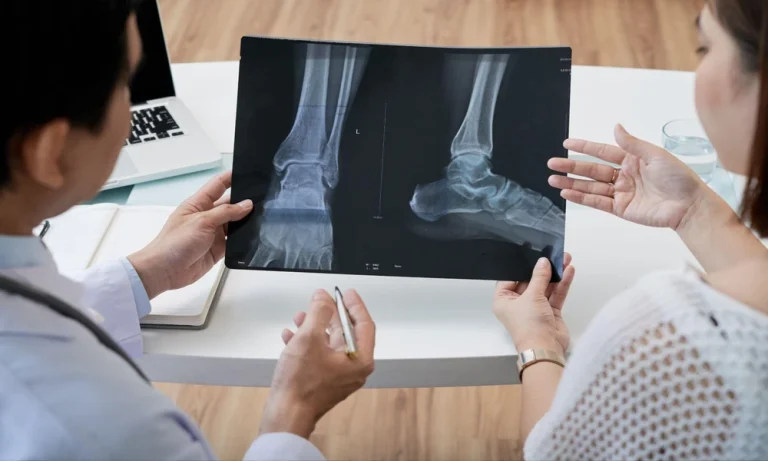
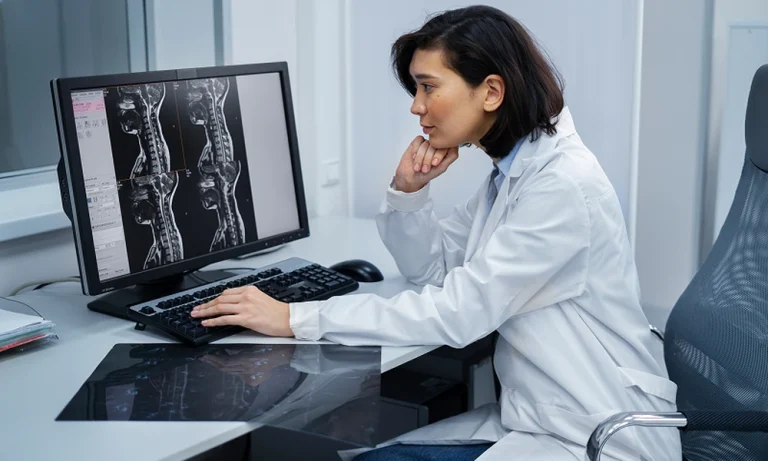
An orthopaedic specialist evaluates the precise cause of joint degeneration using advanced imaging technology. Identifying structural wear early allows patients to explore non-surgical therapies, such as targeted physical therapy or joint injections, to manage pain and preserve function before surgical interventions become necessary.
2. You Suffer a Sudden Acute Sports or Exercise Injury
Participating in sports or gym workouts can occasionally lead to acute traumatic injuries, such as ligament tears, meniscal damage, or joint dislocations. Injuries like an Anterior Cruciate Ligament (ACL) tear or a rotator cuff injury often produce an audible “pop” followed by immediate swelling, instability, and sharp pain.
Seeking prompt evaluation at a clinic specialising in orthopaedic surgery in Singapore ensures proper stabilisation and accurate imaging. Timely assessment prevents further damage to surrounding soft tissues and establishes a clear recovery roadmap, whether through conservative rehabilitation or reconstructive surgery.
3. You Notice Progressive Numbness, Weakness, or Nerve Pain
Musculoskeletal issues are not limited to limbs and major joints; they frequently involve the spine. Herniated discs, spinal stenosis, or bone spurs can compress spinal nerves, sending radiating pain, numbness, or “pins and needles” sensations down the shoulders, arms, buttocks, or legs.
If you experience sudden muscular weakness-such as dropping objects frequently or dragging a foot while walking-consulting a specialist immediately is essential. Specialist care helps decompress affected nerves, relieving discomfort and preventing permanent neurological impairment.
4. A Past Injury Has Failed to Heal Properly
Not all injuries heal cleanly on their own. Fractures that do not mend correctly, recurrent ankle sprains, or shoulders that repeatedly dislocate indicate underlying structural instability or poor tissue healing. Over time, an improperly healed injury alters your natural movement mechanics, placing excessive stress on neighboring joints and accelerating wear.
Orthopaedic surgeons assess chronic instability to determine whether corrective procedures, ligament reconstruction, or custom bracing can restore proper anatomical alignment and joint stability.
5. Morning Joint Stiffness Lasts Longer Than 30 Minutes
Waking up with stiff, tight joints that require significant time to “warm up” is a classic warning sign of underlying joint inflammation or early-stage arthritis. While minor morning stiffness is common as body tissues age, prolonged stiffness that impairs your morning routine warrants professional investigation.
A thorough medical evaluation helps distinguish between mechanical wear-and-tear, such as osteoarthritis, and systemic inflammatory conditions. Early intervention helps maintain joint flexibility and slows the progression of structural stiffness.
6. Non-Surgical and Conservative Treatments Have Stopped Working
Many individuals manage joint or muscle issues for years using pain relievers, cold packs, physiotherapy, or lifestyle adjustments. However, when conservative management no longer provides relief and pain disrupts your sleep or independence, consulting a specialist becomes necessary.
An orthopaedic surgeon can discuss advanced therapeutic options, including minimally invasive procedures or joint replacement surgeries. Modern surgical techniques focus on preserving healthy tissue, minimising recovery times, and restoring full mobility so patients can return to an active lifestyle.
Taking Action for Long-Term Mobility
Ignoring persistent bone, joint, or muscle pain often leads to secondary complications and prolonged recovery times. By recognising these six key situations and seeking timely specialist care, you protect your physical health and take a proactive step toward pain-free movement.
Contact Auspicium Orthopaedic Centre to schedule a consultation with our experienced specialists and discover how our comprehensive orthopaedic care can help you regain your mobility.