
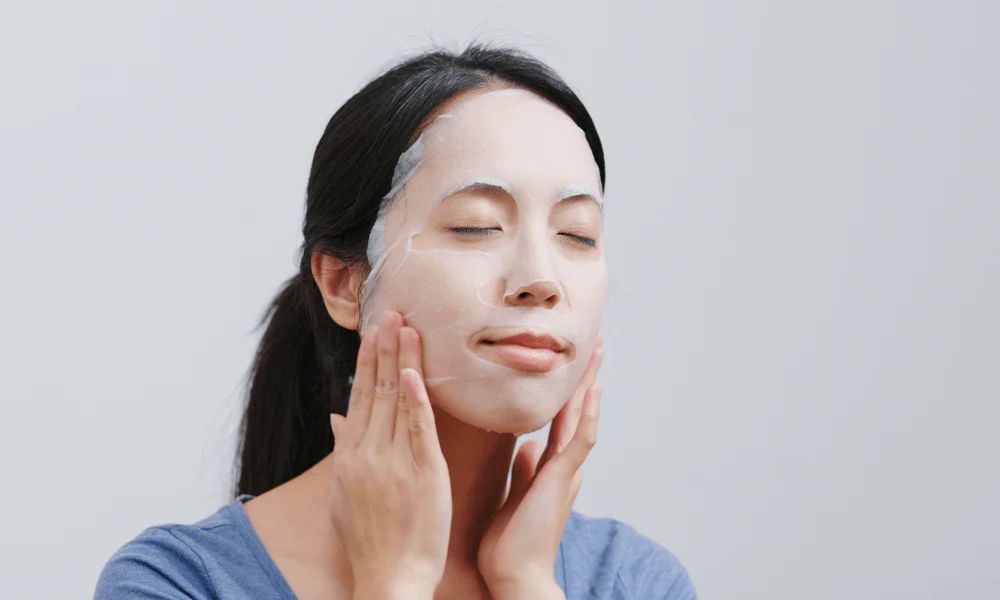
The modern calming mask represents more than skincare; it embodies our collective exhaustion with the relentless pace of contemporary life, a small rebellion against systems that demand perpetual productivity whilst offering little respite for the human spirit. In Singapore’s gleaming towers and endless queues, these humble sheets of fabric infused with botanical promises have become symbols of resistance against a culture that commodifies even our most intimate moments of self-care.
The Historical Context of Beauty as Palliative
To understand the contemporary obsession with soothing face masks, one must examine the broader historical trajectory of beauty products as responses to social anxiety. Throughout history, periods of intense social upheaval have coincided with the proliferation of products promising tranquillity and restoration.
In Singapore’s case, the rise of the calming face mask coincides precisely with the city-state’s transformation into a global financial hub. As working hours extended and stress levels soared, the skincare industry responded with products explicitly marketed as antidotes to modern malaise.
This pattern repeats across civilisations: when societies push human endurance to its limits, commerce steps in to offer solutions that address symptoms whilst leaving underlying structures untouched. The calming skincare mask becomes a pressure valve, allowing just enough relief to maintain the system’s functionality.
The Science of Manufactured Serenity
The efficacy of soothing masks lies not merely in their ingredients, though these deserve scrutiny. Modern formulations combine centuries-old botanical knowledge with contemporary biochemistry, creating products that deliver measurable physiological effects.
Key ingredients found in effective calming treatments include:
- Chamomile extract: Contains anti-inflammatory compounds that genuinely reduce skin irritation
- Aloe vera: Provides cooling sensation and moisture retention
- Niacinamide: Strengthens skin barrier function whilst reducing redness
- Centella asiatica: Popular in Asian formulations for its proven healing properties
- Hyaluronic acid: Maintains hydration levels essential for skin recovery
However, the therapeutic benefits extend beyond biochemistry. The ritual itself provides psychological relief through enforced stillness. In Singapore’s hyperconnected environment, wearing a face mask creates a socially acceptable reason to disconnect from digital demands for twenty minutes.
The Commodification of Self-Care
The marketing of tranquil skincare masks reveals uncomfortable truths about how consumer capitalism adapts to social problems. Rather than addressing the root causes of stress and exhaustion, the beauty industry offers purchasable solutions that transform self-care into consumption.
The Promise Economy
Advertisements for soothing face masks employ language traditionally associated with meditation, therapy, and spiritual practice. Terms like “mindfulness,” “sanctuary,” and “restoration” migrate from wellness traditions into commercial contexts, where their meanings become diluted, yet their emotional resonance remains powerful.
This linguistic appropriation serves a dual purpose: it validates consumers’ genuine need for respite whilst directing that need towards market solutions. The peaceful mask becomes a substitute for addressing systemic issues that create the need for calm in the first place.
Singapore’s Unique Stress Landscape
Singapore’s position as a global financial centre creates particular stressors that the skincare industry has learned to exploit. The constant pressure to perform, combined with limited space and intense social expectations, generates chronic anxiety that manifests physically in skin problems.
Local beauty retailers report that calming skincare products perform exceptionally well during examination periods, quarterly reporting seasons, and major festivals when family expectations intensify. This correlation suggests that these products function as emotional regulation tools rather than mere cosmetic enhancements.
“During the circuit breaker, sales of soothing masks increased by 300%,” notes a beauty industry analyst. “People were buying calm off the shelf because they couldn’t find it anywhere else.”
The Gender Politics of Stress Relief
The predominant marketing of calming face masks towards women reveals gendered assumptions about emotional labour and stress management. Women are expected to manage not only their stress but also to maintain attractive appearances whilst doing so.
This creates a double bind: women experience stress from societal pressures, then face additional pressure to manage that stress in ways that maintain their aesthetic appeal. The relaxing mask becomes both solution and symptom of this impossible standard.
Environmental and Economic Implications
The boom in single-use calming masks raises questions about sustainability in Singapore’s waste-conscious environment. Each mask represents resources extracted, processed, packaged, and transported globally to address problems that might be better solved through systemic changes in work culture and social expectations.
The economic model underlying these products depends on consumers’ continued stress and dissatisfaction. Success requires that problems persist at manageable levels, never fully resolved but never overwhelming enough to prompt fundamental changes.
The Limits of Individual Solutions
While soothing masks provide genuine short-term relief, their proliferation reflects a broader tendency to individualise solutions to collective problems. Singapore’s work culture, housing pressures, and social expectations create stress, but the proposed solution focuses on individual purchase decisions rather than policy changes.
This pattern extends beyond skincare into wellness culture generally: meditation apps for overwork, exercise programmes for sedentary jobs, and calming skincare for chronic stress. Each addresses symptoms whilst preserving the systems generating those symptoms.
Reclaiming Authentic Calm
Despite these critiques, dismissing tranquil face masks entirely misses their genuine value as tools for brief respite. The challenge lies in using them consciously rather than as substitutes for addressing deeper issues.
Effective use of calming skincare masks might involve recognising them as temporary measures whilst working towards more sustainable sources of peace. This could mean advocating for better work-life balance policies, creating community support systems, or addressing the social conditions that make artificial calm necessary.
The true test of any soothing treatment lies not in its immediate effects but in whether it enables users to build resilience for long-term challenges. In Singapore’s demanding environment, the most valuable calming mask might be one that provides just enough relief to fuel efforts towards systemic change.

Comments are closed.