
Category

Wellness

Category

Many people only think about their eye health when a problem begins to arise. Over time, screens, long workdays and daily stress can all put a strain on vision. Traditional Chinese Medicine has a different approach to health care, considering balance, lifestyle and long-term support, whereas modern care is based on the diagnosis and treatment.

Sightsage has been created based around this mixture of knowledge, which incorporates clinical experience with traditional understanding to help improve awareness of eye health.

TCM’s Perspective on Eye Health

The eyes are closely related to the overall condition of the body in Traditional Chinese Medicine. The eyes are not treated as a stand-alone entity, but more is considered to internal balance, circulation and long term health.

Doctors and health care professionals take the lifestyle, sleep habits, stress and diet into account when examining eye-related issues. The concept is that the body is linked; something happening to one part could impact another.

This strategy helps people to realize that their everyday activities can have a long-term impact on vision in the future.

The value of long term care and awareness.

Several eye problems are caused by a gradual process. Small changes may not be noticed initially, particularly when people are busy or working very long hours on an electronic device.

Awareness at an early age can allow people to focus more on their change in vision, eye comfort or strain. Tips like limiting screen time, sleep hygiene and stress reduction can all help to promote eye comfort.

Traditional approaches tend to emphasise consistency over short-term solutions, and promote the idea of long-term care over reactive treatment.

Experience in Eye Health: Understanding.

Real-life experience is a crucial part of knowledge about complicated eye diseases. Experts who have the opportunity to work with patients for a long period of time will notice the interplay between various factors and vision health.

Dr. Weidong Yu, a doctor of Chinese medicine specializing in retinal eye disorders, and Kathy Zhang, a certified acupuncturist, sharing Traditional Chinese Medicine insights and health tips with the public, are the co-founders of Sightsage.

Traditional knowledge is made more accessible for everyday use through their combined experience, both clinical and educational.

The blending of Traditional Knowledge with Modern Life

The eyes are heavily taxed in today’s modern lifestyle. Eye strain from digital screens, artificial lighting, and less exposure to the outside world can all cause eye strain.

TCM provides some tips in terms of balance, routine and lifestyle awareness. Together with the knowledge of modern eye strain and the care of the eye, it will give a wider perspective on how to promote eye comfort in everyday life.

This hybrid strategy calls attention to the importance of thinking about prevention as well as care.

Promoting Awareness of Eye Wellness to Build Greater Awareness:

A primary objective of Sightsage is to provide simple and easy to use eye health education to people. Some people first learn about these symptoms after they occur, and early detection can impact long-term comfort.

Sightsage’s mission is to help make better eye care choices with knowledge gained from Traditional Chinese Medicine and clinical practice.

About Sightsage

Sightsage is co-founded by Dr. Weidong Yu, a world class doctor of Chinese medicine known for his research on retinal eye disorders, and Kathy Zhang, a certified acupuncturist, who is known for her sharing of Traditional Chinese Medicine health tips. The company’s mission is to educate about eye wellness and brings together the knowledge and expertise of the past with those of today to foster greater awareness around vision health.
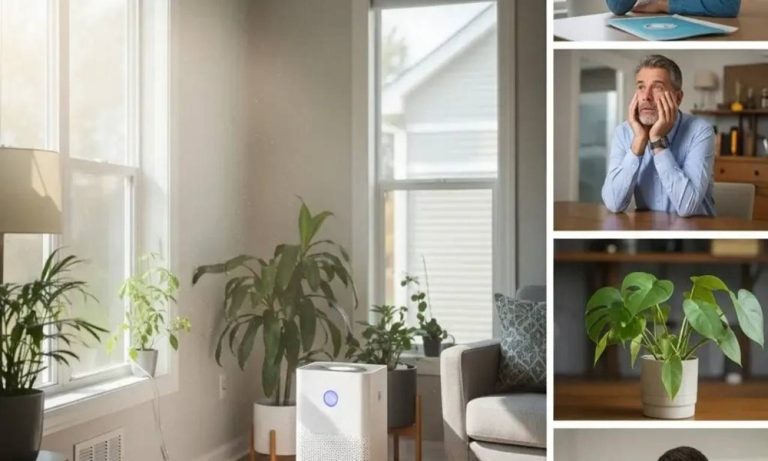

A clean home feels very safe. But hidden air problems create daily discomfort. Many families ignore these warning signs. However, indoor pollution slowly affects health and comfort. A trusted brand like Airdog helps many households improve indoor freshness naturally. Poor indoor air often causes silent trouble. So, people suffer without understanding the real cause.

Unusual Fatigue Inside Your Home

Many people feel tired indoors. However, energy improves after leaving home. Stale indoor air often creates this problem. Dust particles reduce breathing comfort every day. Sometimes, hidden mold spreads through damp corners quietly. That polluted air weakens normal concentration levels. Moreover, headaches become common during evening hours.

Sleep quality also changes very quickly. The body feels heavy every morning. However, fresh outdoor air brings sudden relief afterward. Dirty vents sometimes spread harmful particles indoors. Those particles remain trapped inside closed rooms. Consequently, breathing becomes harder during warmer afternoons. Families often ignore these early warning signs.

Constant Sneezing and Throat Irritation

Frequent sneezing may signal deeper problems. However, many people blame changing weather conditions. Indoor pollutants irritate delicate nasal passages daily. Pet hair also remains suspended inside rooms. So allergic reactions continue throughout different seasons.

Dry throat problems also become persistent indoors. Airborne chemicals sometimes trigger throat irritation repeatedly. Paint fumes create hidden discomfort for sensitive people. Moreover, cleaning sprays release strong airborne substances regularly. Sensitive lungs react very quickly afterward. poor air quality symptoms at home often appear through these repeated allergic reactions. Consequently, discomfort increases during long indoor stays.

Lingering Odors and Heavy Indoor Air

A healthy home smells naturally fresh. However, trapped odors indicate hidden ventilation problems. Cooking smoke sometimes remains inside for hours. Damp fabrics also trap unpleasant indoor smells. Heavy indoor air affects normal breathing patterns. Many homes lack proper airflow circulation systems. Closed windows worsen indoor pollution problems daily. Furthermore, humid air supports mold growth silently. Hidden mold spreads behind walls and furniture. That pollution damages long term indoor comfort. Trusted solutions from Airdog support cleaner indoor environments effectively. Better air circulation creates healthier living spaces. Consequently, families experience fresher and calmer indoor conditions.

Frequent Headaches and Breathing Problems

Indoor headaches should never feel normal. However, many households overlook repeated breathing discomfort. Polluted indoor air affects oxygen circulation slowly. Dust buildup blocks smooth airflow inside rooms. Children often react more quickly. Sensitive lungs absorb polluted air very easily. Moreover, older adults face greater breathing difficulties afterward. Smoke particles remain dangerous inside enclosed spaces.

Conclusion

Indoor air problems often remain unnoticed. However, the body usually sends clear warning signals. Constant fatigue and breathing discomfort deserve attention immediately. Dust, odors, and allergies also indicate deeper concerns. So, households should improve indoor airflow conditions carefully. Clean indoor air supports stronger health every day.

Nature is good for us. We know this instinctively, from the way we feel after a long walk in the woods or a day spent by the sea. Being in nature reduces stress, helps us heal from illness and injury, improves our moods, and gives us a sense of connection to something larger. So, it’s no surprise that forest bathing therapy is becoming a popular way to relax and rejuvenate. In this article, we’ll explore the many benefits of forest bathing so that you can decide if it’s right for you.

1. Reduces Stress

One of the most well-known forest bathing benefits is its ability to reduce stress and promote relaxation. Numerous studies have shown that spending time in nature can lower levels of the stress hormone cortisol, as well as blood pressure and heart rate. Moreover, it can boost levels of serotonin, the feel-good hormone. The feeling of being in nature has also been shown to increase feelings of happiness and satisfaction. So, if you’re looking for a way to reduce stress, spending time in nature is a great option.

2. Improves Moods

In addition to reducing stress, spending time in nature can also improve your mood. One study found that patients with depression who spent time in nature had lower levels of rumination, a type of negative thinking that can worsen depression. Forest bathing has also been shown to improve symptoms of anxiety and ADHD. By spending time in nature, you can give your mood a much-needed boost.

3. Boosts Energy Levels

One of the most common complaints modern people have is fatigue and a lack of energy. When you’re feeling tired, it can be hard to motivate yourself to do anything. Fortunately, spending time in nature can help with this. You don’t even have to do anything strenuous; just being in nature has been shown to increase energy levels and reduce fatigue. The next time you’re feeling run down, try spending some time in the great outdoors and see if it gives you a boost.

4. Improves Heart Health

Heart disease is the leading cause of death worldwide, so it’s important to do everything you can to protect your heart. The good news is nature can help! Spending time in nature has been shown to lower blood pressure and improve cholesterol levels. It can also reduce the risk of developing obesity, diabetes, and metabolic syndrome. The bottom line is, if you want to keep your heart healthy, spending time in nature is a great way to do it.

To Conclude

As you can see, there are many forest bathing benefits that make it worth trying. If you’re looking for a way to reduce stress, improve your mood and health, or boost your energy levels, spending time in nature is a great option. Give it a try and see how you feel.