
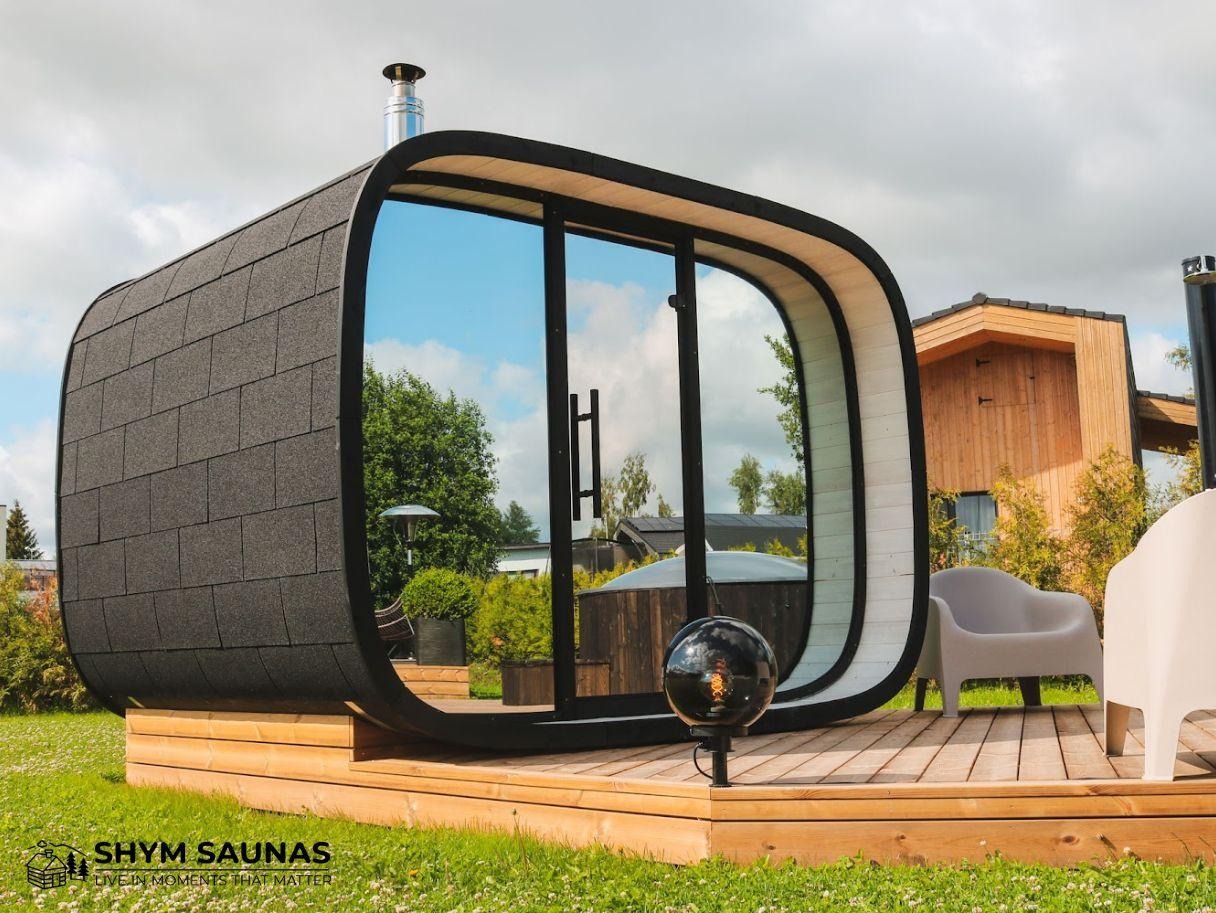
Your day doesn’t usually end with a neat little bow. It ends mid-thought, mid-scroll, mid-dishwasher cycle—while your mind is still running sprints.
And then you ask your body to do the opposite: soften, slow, let go. Sleep on command.
This is where a sauna can feel less like a “wellness habit” and more like a return. Warmth on your skin. The low glow. That cedar-scented quiet. A few minutes where nobody needs anything from you—except your own breath.
Not a shortcut. A ritual. Heat, then calm. Quiet, then connection.
Key takeaways
- Best timing: aim to finish your sauna about 1–2 hours before bed (some people do best with up to 3 hours) so your body has time to cool down.
- Best temperature: choose comfortable heat you can breathe in (not endurance heat). Consistency beats intensity.
- Session sweet spot: 10–20 minutes, followed by a gentle cool-down. Optional second round if it feels good.
- The real magic: it’s not only the sauna—it’s the wind-down sequence you build around it.
- Make it repeatable: the best ritual is the one you’ll actually do on a normal weeknight.
Why sauna can help you sleep better
Sleep isn’t just about being tired. It’s about your nervous system believing you’re safe enough to switch off.
A well-timed sauna may support that shift for some people—partly through relaxation, and partly through the cooling-down phase after heat. The strongest research is on “passive heating” from warm baths/showers, but the sauna ritual follows a similar temperature-and-calm pattern.
And if you like a little extra reassurance that something real is happening under the surface, there’s a practical upside too. A single session in a traditional barrel sauna helps you lose 210–290 kcal (plus water loss) in a traditional barrel sauna—but for sleep, we treat that as a side benefit. The goal is the exhale. The softening. The part where your body stops bracing.
You give your body a clear “day is done” signal
Warmth can be deeply settling. You step in, and your shoulders drop without you forcing them. Your breathing changes. You stop performing.
You create a softer landing after a loud day
We live in bright light and high stimulation—screens, notifications, noise. Sauna offers the opposite: stillness, warmth, and a small boundary around your attention.
You set up a helpful temperature rhythm
After heat, your body cools. That post-sauna cool-down can align with the natural drop in core temperature your body uses to initiate sleep. It’s not magic—it’s a simple pattern your physiology already understands.
And maybe the most underrated benefit: you’re not “trying” to sleep. You’re just unwinding into it.
Timing: when to sauna for the best sleep
If you only change one thing, change when you do it.
The sweet spot: finish about 1–2 hours before lights out
That window gives you time to cool down, hydrate, shower, and move through a gentle pre-bed routine. You want to feel calm and slightly cooler by the time you get into bed—not flushed and buzzing.
If your evenings are tight
- Finishing 45–60 minutes before bed can still work for some people—just keep the session gentler and prioritise the cool-down.
- Keep it shorter and gentler (think 10–15 minutes).
- Prioritise the cool-down: a lukewarm shower and dim lighting can do a lot.
If you sauna too close to bedtime
You might feel sleepy in the sauna, then oddly alert afterwards. That’s a sign you’ve finished the heat phase but haven’t given your body enough time to settle into the cooling phase.
A sauna for sleep is less “late-night push” and more “early-evening glide.”
Temperature: how hot is “right”?
There’s a quiet premium feel to doing this well: you choose heat that supports you, not heat that demands something from you.
A simple rule: choose the hottest heat that still feels calm
If you can’t breathe easily, relax your jaw, and stay present—back it off. For sleep, we’re not chasing intensity. We’re chasing release.
General guidance (without the bravado)
- Traditional sauna: Finnish-style saunas commonly sit around 70–100°C. For a sleep-focused session, many people prefer the gentler end—warm enough to soften you, not so intense that it feels like endurance.
- Infrared sauna: typically runs cooler—often 45–60°C—with a different “deep warmth” feel.
Your best temperature is the one that lets you step out feeling reset, not wrung out.
Humidity matters too
A little water on the stones can feel soothing, but it also changes the perceived intensity quickly. If sleep is the goal, keep steam gentle—think comfort, not challenge.
The wind-down ritual that actually works
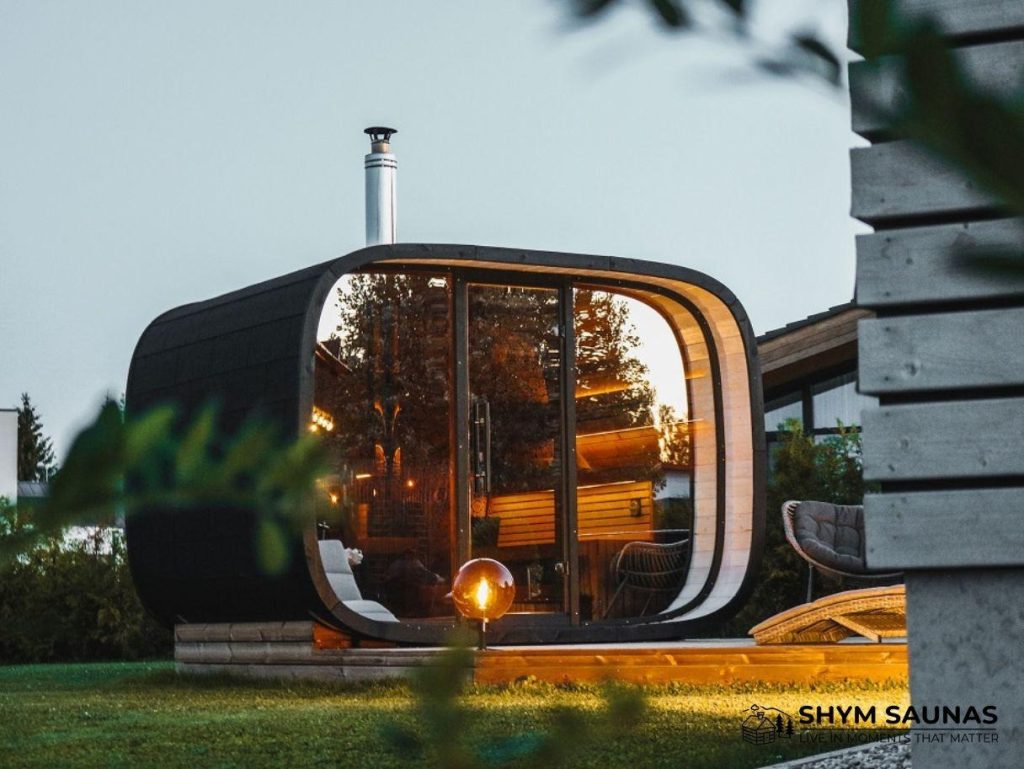
Here’s the part most people miss: the sauna is the centrepiece, but the ritual is the whole experience.
What you do after heat teaches your body what comes next.
A simple 4-phase ritual (repeatable on weeknights)
1) Arrive (2 minutes)
Before you step in:
- Drink a glass of water.
- Put your phone on charge in another room.
- Decide your session length now (so you’re not negotiating with yourself inside).
Ask yourself: What would it feel like to make tonight easy?
2) Warm (10–20 minutes)
- Sit comfortably.
- Breathe slowly through your nose if you can.
- Keep your shoulders relaxed and your jaw soft.
Optional: a second short round after a brief cool-down—only if it feels grounding, not draining.
3) Cool (10–20 minutes)
This is where sleep support really begins:
- Step into fresh air.
- Let your skin cool naturally for a few minutes.
- Follow with a warm-to-lukewarm shower. If you love a hotter shower, try to keep it earlier (around 1–2 hours before bed) so your body still gets the benefit of cooling down afterwards.
4) Settle (15–30 minutes)
Keep this gentle and consistent:
- Dim the lights.
- Herbal tea if you like (and if it doesn’t send you to the bathroom at 2am).
- Light stretching or a few slow forward folds.
- A short journal note: three lines—what happened today, what can wait, what you’re grateful for.
That’s it. The goal is not to build a “perfect routine.” It’s to build a routine your body recognises.
A simple ritual that brings everyone back to themselves—and each other.
What to consider if you’re using sauna specifically for sleep
A few details can make the difference between “nice warmth” and “deep, reliable wind-down.”
Keep it consistent
Two or three evenings a week, done gently, often beats one epic session. Your nervous system loves familiarity.
Eat earlier if you can
A heavy meal right before sauna can feel uncomfortable, and a sauna right after dinner can feel too activating. If evenings are your only option, keep the session lighter.
Watch your caffeine cut-off
If you’re drinking coffee late, sauna may not fully undo that stimulation. Think of sauna as support—not a sponge.
Make your bedroom the cool final chapter
If your sauna ritual ends with a warm body and a warm room, sleep can feel elusive. Aim for a cooler bedroom and breathable bedding.
Step-by-step: your “Sauna for Sleep” checklist
Keep this skimmable. Keep it yours.
Before
- ☐ Work backwards from bedtime (finish sauna about 1–2 hours before sleep; up to 3 hours for some people)
- ☐ Drink water
- ☐ Set a timer (10–20 minutes)
- ☐ Dim the house lights where possible
- ☐ Phone stays out
During
- ☐ Comfortable heat you can breathe in
- ☐ Sit back, unclench your jaw
- ☐ Slow, steady breathing
- ☐ Leave before you feel depleted
After
- ☐ Fresh air cool-down (5–10 minutes)
- ☐ Lukewarm shower
- ☐ Water + a pinch of electrolytes if you’ve sweated a lot
- ☐ Quiet activity only (stretch, read, journal)
- ☐ Bedroom cool, dark, calm
A gentle word on safety
We’re big believers in rituals that support wellbeing—but never at the expense of your body’s signals.
- Hydrate before and after.
- Keep sessions sensible (often 10–20 minutes is plenty).
- Step out if you feel dizzy, unwell, or overly fatigued.
- If you’re pregnant, have cardiovascular concerns, low blood pressure, or other medical considerations, check with a healthcare professional before making sauna a sleep routine.
Where Shym fits in—without changing the mood
If sauna is becoming part of your evenings, it helps when it’s easy to own, easy to use, and beautiful enough that you actually want to step inside.
Shym Saunas are built for the way you actually live—warmth, quiet luxury, and craftsmanship you can feel. Whether you’re drawn to a classic barrel silhouette or a panoramic glass view, the focus stays the same: easy DIY assembly, thoughtful design, and a home ritual that fits your evenings. Step in, breathe, unwind—step out ready for sleep.
Closing: make sleep a place you return to
You don’t need another thing to “optimise.” You need a way to soften the edges of your day.
A sauna—timed well, kept comfortable, followed by a gentle cool-down—can become that steady exhale. Not a performance. A pause. A small ceremony of warmth and quiet luxury.
And over time, it becomes more than better sleep. It becomes a shared rhythm in the household. A little doorway from busy to calm. From noise to presence.
Ready to create your own sanctuary?

Comments are closed.