Author

Daniel Howe

Browsing

Recovering from meth addiction is a monumental journey that requires strength, resilience, and support. As individuals begin to reclaim their lives, they face unique challenges in rebuilding trust, finding employment, restoring relationships, and setting meaningful goals. With commitment and careful planning, it is possible to create a fulfilling, drug-free life. Here are some practical tips to help guide this transformative process.

Regaining Trust

One of the most significant hurdles in recovery is rebuilding trust with family, friends, and colleagues. For many who have struggled with addiction, past behavior may have caused disappointment or hurt feelings. To start this process, be open and honest about your journey. Share your experiences and express your commitment to sobriety. Additionally, it’s important to demonstrate reliability through your actions. Show up on time, keep promises, and be consistent in your behavior. Patience is key, as rebuilding trust takes time, but by staying true to your word, you can slowly regain the confidence of those around you. For meth addiction recovery it is a perfect solution.

Finding Employment

Re-entering the workforce can be a daunting task, particularly for individuals who have experienced job loss due to addiction. First, take stock of your skills and identify any areas in which you may need further development. Consider enrolling in workshops or vocational training to enhance your employability. When applying for jobs, be upfront about your past if it is relevant; many employers appreciate honesty and may be willing to provide support for those in recovery. Networking can also be a valuable tool—reach out to former colleagues, mentors, or local support groups to discover job opportunities. Surrounding yourself with positive influences can make a significant difference in your job search.

Rebuilding Relationships

Restoring connections with friends and family is vital for a fulfilling life post-recovery. Begin by reaching out to loved ones, expressing your willingness to rekindle relationships. Communication plays a crucial role—listen to their concerns and feelings without becoming defensive. Consider setting up regular family gatherings or one-on-one catch-ups to reconnect and share your progress. Surround yourself with supportive individuals who uplift your spirits; these relationships can help bolster your self-esteem and reinforce your commitment to sobriety. Remember to be patient, as some relationships may take longer to heal than others.

Setting Goals

Goal-setting is essential for personal growth in recovery. Start by defining short-term and long-term objectives that reflect your values and desires. Short-term goals, such as attending weekly support meetings or engaging in a new hobby, can build self-confidence and provide a sense of achievement. Long-term goals might include pursuing education, obtaining stable housing, or developing financial independence. Write your goals down and regularly review them, adjusting as needed. Celebrate your accomplishments, no matter how small, to maintain motivation and a positive outlook.

Conclusion

Rebuilding life after meth addiction is a challenging but rewarding undertaking. By focusing on regaining trust, finding employment, restoring relationships, and setting meaningful goals, individuals can forge a path toward a healthier, fulfilling life. Surrounding oneself with support, being honest about one’s journey, and persevering through challenges can lead to lasting transformation and a brighter future. Remember, recovery is a marathon, not a sprint; take one step at a time and celebrate your progress along the way.


Modern healthcare is evolving, and with it, the focus is shifting from symptom management to root cause resolution. Functional medicine is at the forefront of this shift, offering personalized healthcare plans that consider the full picture—genetics, environment, lifestyle, and mental health. This holistic approach empowers patients to take control of their well-being with targeted strategies that go beyond temporary fixes.

Many individuals searching for a functional medicine practice in Johns Creek are looking for care that addresses their unique biology and health goals. Rather than applying a standard protocol for every patient, functional medicine practitioners create tailored treatment plans designed to restore balance and prevent chronic illness.

What Sets Functional Medicine Apart?

Unlike conventional models that often treat isolated symptoms, functional medicine focuses on interconnected systems within the body. This means practitioners may explore how digestive health influences immunity, or how inflammation impacts both mental clarity and physical energy. Comprehensive testing, in-depth patient histories, and lifestyle evaluations help uncover the underlying factors driving illness or discomfort.

By mapping out these root causes, a treatment plan is created that may involve nutritional guidance, supplementation, stress reduction, movement therapies, and more. The result is a long-term health strategy tailored specifically to each patient, not just a short-term solution.

Stress, Hormones, and Whole-Body Wellness

Stress is one of the most common and misunderstood contributors to chronic disease. It disrupts hormone levels, weakens the immune system, and slows recovery. Functional medicine integrates tools that help the body adapt to and recover from stress, focusing on restoring equilibrium rather than merely reducing symptoms.

One area of growing interest is the link between hormone regulation and emotional health. Studies and clinical experiences continue to reveal how hormone therapy helps manage stress and promote relaxation by supporting adrenal function, regulating cortisol levels, and enhancing neurotransmitter balance. By optimizing hormonal communication in the body, patients often experience better sleep, improved mood, and greater resilience in the face of daily challenges.


A Collaborative Approach to Care

Another key strength of functional medicine is the collaborative nature of the provider-patient relationship. Instead of a top-down model, patients are active participants in their care. They’re encouraged to track their symptoms, understand lab results, and engage with every aspect of their plan. This transparency fosters empowerment, accountability, and sustained lifestyle change.

Because each treatment plan is deeply personalized, patients may receive recommendations that range from gut health optimization to emotional wellness strategies. For some, managing stress and inflammation may be the priority. For others, addressing hormonal imbalances or nutrient deficiencies might be key. The flexibility of this model allows the care to evolve alongside the patient’s needs.

Conclusion

Functional medicine provides a comprehensive and personalized approach to health that is both proactive and preventative. By identifying the root causes of imbalance and integrating the body’s physical, mental, and emotional systems, it creates pathways for lasting wellness. For individuals seeking care that adapts to their biology and lifestyle, this model offers an empowering alternative to conventional treatments.

Whether managing chronic stress, hormonal issues, or complex health challenges, functional medicine stands out as a forward-thinking, patient-centered path to healing and vitality.

All workouts and no hydration make Jack a dull boy. And when you ask the mirror, “Mirror, mirror on the wall, who is the healthiest of them all?”, it says, “You when you are hydrated.” Staying hydrated is super important, right? But chugging down gallons of water like you are in a contest isn’t always the best idea. In fact, drinking too much plain water too quickly can dilute essential electrolytes.

So, when it’s all about keeping hydrated, don’t forget to give your body a little extra love by replenishing those electrolytes. But what if, in that process, you get benefits beyond electrolytes? The Acai Berry Hydration Multiplier by Liquid I.V. is formulated with 3x the electrolytes of the leading sports drinks, plus it brings other benefits, too. Here is a closer look at five benefits of the Acai Berry Hydration Multiplier.

1. Faster Hydration than Water Alone

Now that you know, hydration is not just about drinking water—it is also about maintaining the right balance. Think about how efficiently your body can absorb the water you consume. The Acai Berry Hydration Multiplier is a science-backed formula. It is formulated to support faster hydration than water alone. How? Its optimised ratio of electrolytes and glucose helps improve fluid absorption and thus make hydration more efficient.

2. A Refreshing Great Taste

It is like getting two wins in one go—staying hydrated and enjoying a delicious drink at the same time. Yes, the combination of fresh, fruity notes of acai berry brings you great taste. What’s best? It keeps your hydration routine exciting. So, when you head out to work or hit the gym, grab a hydration stick and add to your water sipper bottle. Sip goodness and let the fruity burst of acai help you hit your hydration goals!

3. 7 Essential Vitamins and Nutrients

Each stick of Acai Berry Hydration Multiplier contains 7 vitamins and nutrients. Support your overall wellness with a formula containing sodium, potassium and more. These essential ingredients will complement your hydration routine.

4. Caffeine-Free Hydration Solution

When you sit back to track the benefits of adding this hydration multiplier, the best part is that it comes without added stimulants. Being caffeine-free, the Acai Berry Hydration Multiplier is suitable for all times of the day. You can take it when you are starting your day, catching your breath after some exercise, or getting ready for bedtime. No jitters, no keeping you up at night!

5. No Artificial Sweeteners

Many hydration drinks on the market contain artificial sweeteners. If you are those who look for a balanced and mindful approach to their daily routine, this hydration multiplier is a good pick. It is formulated with no artificial sweeteners.

Wrapping Up

Hydration is about more than just water intake. With Acai Berry Hydration Multiplier, you get benefits beyond consuming water alone. You get to enjoy great taste, intake essential vitamins and nutrients, and benefit from no artificial sweeteners and zero caffeine. This hydration multiplier is a refreshing and effective hydration solution. The added perks are perfect to give you the push needed to be more consistent in your water intake.


Mental health recovery is rarely one-size-fits-all. Every person’s experience is shaped by their background, relationships, trauma, and emotional resilience. That’s why therapy works best when it’s tailored to each individual. Today, many individuals seek help from a psychotherapist in Manhattan to access diverse and evidence-based techniques that support long-term Recovery and emotional balance.

Personalized Approaches to Therapy

Psychotherapy includes a wide range of modalities, each designed to address specific emotional and psychological challenges. Rather than sticking to a single approach, therapists often combine techniques based on the client’s needs and progress. Whether the goal is to manage anxiety, heal trauma, or develop healthier coping skills, the right technique can make all the difference.

Effective psychotherapy empowers individuals to understand their thoughts, regulate emotions, and create positive behavioral change. Below are ten commonly used therapy techniques that have proven beneficial across a variety of conditions.

Ten Widely Practiced Therapeutic Techniques

  1. Cognitive Behavioral Therapy (CBT) – This widely used technique helps individuals recognize and restructure negative thought patterns that contribute to emotional distress.
  2. Dialectical Behavior Therapy (DBT) – Often used for emotion regulation, DBT teaches mindfulness, distress tolerance, and interpersonal effectiveness—ideal for those struggling with mood disorders or self-harm behaviors.
  3. Psychodynamic Therapy – By exploring unconscious emotions and early life experiences, this method aims to uncover deep-seated patterns that influence present behavior.
  4. Mindfulness-Based Therapy – This approach encourages present-moment awareness and acceptance, helping reduce stress and anxiety through breathwork, meditation, and body awareness.
  5. Solution-Focused Brief Therapy (SFBT) – Centered around finding practical solutions rather than dissecting problems, this technique is goal-oriented and forward-looking.
  6. Eye Movement Desensitization and Reprocessing (EMDR) – Often used for trauma, EMDR helps process distressing memories by stimulating both sides of the brain through guided eye movements.
  7. Narrative Therapy – Clients are encouraged to rewrite the “story” they tell themselves, separating their identity from the issues they face.
  8. Somatic Therapy – This body-focused technique recognizes that trauma is often stored physically. It works through bodily sensations to promote healing.
  9. Art and Expressive Therapy – For those who struggle to articulate emotions, creative methods like drawing, music, or dance offer a powerful outlet.
  10. Yoga-Based Therapy – Growing in popularity, yoga has been integrated into treatment plans as part of mind-body healing. The effectiveness of yoga therapy in the treatment of migraine has shown benefits not just physically but also emotionally.

When used appropriately, these techniques can unlock a person’s ability to self-regulate, heal past wounds, and move forward with confidence.

Treating Trauma and PTSD Holistically

Recovery from trauma often requires a multidimensional approach. Many therapists incorporate techniques specifically designed for emotional safety and resilience. A growing body of work explores how psychotherapists approach treating trauma and PTSD by combining talk therapy with body-based practices, grounding strategies, and consistent therapeutic support.

The goal is to help clients not only survive trauma but thrive beyond it—developing new narratives, improved self-worth, and the tools needed to navigate the future.

Conclusion

Therapy isn’t about applying a fixed formula—it’s about meeting people where they are and guiding them toward lasting change. Through personalized, professional care, psychotherapists equip clients with tools that promote healing, resilience, and self-discovery. With the right support, Recovery becomes not just possible but sustainable.

Testosterone Replacement Therapy (TRT) has become a valuable solution for men struggling with low testosterone levels, helping improve energy, mood, muscle mass, and overall vitality. However, while the benefits are numerous, undergoing regular blood testing during the course of treatment is not optional—it’s essential. Without proper monitoring, TRT can potentially lead to unwanted side effects and ineffective dosing.

Patients seeking testosterone replacement therapy in Lakeland should be aware that regular lab work is a fundamental part of maintaining a safe and effective therapy plan.

The Role of Blood Tests in TRT

Before beginning any testosterone replacement protocol, baseline bloodwork provides critical insight into a patient’s hormonal balance and overall health. Once therapy starts, regular blood testing continues to play a pivotal role in adjusting dosage and tracking the body’s response.

Hormonal Balance and Personalized Dosing

TRT isn’t one-size-fits-all. Every individual metabolizes testosterone differently, and blood testing allows healthcare providers to tailor the dosage precisely to a patient’s needs. Levels that are too high can increase the risk of side effects such as elevated red blood cell counts, mood swings, or estrogen imbalances. Too low, and the therapy becomes ineffective.

Routine lab work helps maintain hormonal balance, ensuring that testosterone levels stay within a healthy and effective range.

Monitoring Potential Health Risks

Blood testing during TRT isn’t just about checking testosterone—it’s also about preventing complications. One key risk is the potential for increased hematocrit (thickened blood), which can lead to cardiovascular issues. Liver function, cholesterol levels, and prostate-specific antigen (PSA) are also monitored to ensure the body is responding safely to treatment.

In fact, understanding the health risks associated with untreated low testosterone further emphasizes why consistent monitoring is so important. Regular testing isn’t just a precaution; it’s a proactive strategy for long-term wellness.


Detecting and Preventing Side Effects

TRT can sometimes cause imbalances in other hormones like estrogen or DHT (dihydrotestosterone). Blood tests identify these shifts early, allowing healthcare professionals to adjust therapy before side effects become problematic. Early detection can prevent symptoms such as acne, water retention, mood changes, or hair thinning—ensuring patients get the benefits of TRT without the drawbacks.

How Lifestyle Affects Therapy Outcomes

Lifestyle choices—such as nutrition, exercise, and sleep—can significantly influence the effectiveness of testosterone therapy. These habits not only support hormonal stability but also impact overall cardiovascular and metabolic health, which are closely tied to TRT success. Some findings have shown that when healthy eating and consistent physical activity are part of the equation, TRT outcomes tend to improve noticeably. In fact, there’s growing recognition of how diet and exercise complement TRT therapy, making them important pieces of the broader treatment puzzle.

Conclusion

Blood testing is more than just a routine step in Testosterone Replacement Therapy—it’s the foundation of a safe, personalized, and effective treatment plan. From tracking hormonal levels to detecting early signs of potential side effects, ongoing lab monitoring ensures the therapy delivers its benefits without compromising health.

For those undergoing testosterone replacement in Lakeland, partnering with experienced professionals who prioritize regular bloodwork can make all the difference in achieving optimal, lasting results.

Pediatric ENT (ear, nose, and throat) conditions can significantly impact a child’s health and development, creating challenges like difficulty breathing, hearing, or speaking. These conditions, which range from minor issues to chronic or severe problems, require specialized attention to ensure effective treatment. For families seeking expert care, an ENT pediatric specialist in Atlanta can help diagnose and manage these conditions with personalized plans tailored to each child.

Treatment options typically fall into two main categories: non-surgical and surgical. The right choice depends on the severity of the condition, as well as the child’s overall health. Below, we examine how these approaches address various ENT pediatric conditions.

Non-Surgical Approaches for Pediatric ENT Conditions

Non-surgical treatments are often the first step in managing pediatric ENT conditions. They are non-invasive, focus on symptom relief, and aim to improve a child’s quality of life.

  • Medications and Antibiotics
    Medications are frequently prescribed to treat infections such as ear infections or sinusitis. Antibiotics help to eliminate bacterial infections, while anti-inflammatory medications reduce swelling and pain. For conditions like allergies, nasal sprays or antihistamines may provide relief.
  • Speech and Hearing Therapy
    Hearing loss or speech delays caused by ENT conditions often require therapeutic intervention. Audiologists and speech therapists can work with children to improve their communication and auditory skills, ensuring they keep up with developmental milestones.
  • Lifestyle and Environmental Adjustments
    Adjusting a child’s environment can play a critical role in managing ENT conditions. Minimizing exposure to allergens can reduce issues like chronic sinus infections or recurrent ear problems. Parents should also familiarize themselves with how to know when to take the child to an ENT to recognize early signs that may indicate the need for medical attention.
  • Innovative Non-Invasive Tools
    Advances in technology have introduced non-invasive tools like hearing aids or ear tubes that can help children with hearing difficulties or fluid retention in the middle ear. These solutions often eliminate the need for surgical procedures while effectively managing symptoms.

Surgical Approaches for Pediatric ENT Conditions

When non-surgical methods are not enough to address a condition, surgery might be necessary. While parents may hesitate at the idea of surgery, modern pediatric ENT procedures are usually minimally invasive, with shorter recovery times.

  • Ear Tube Placement
    For children with persistent ear infections or fluid build-up in the eardrum, the insertion of ear tubes can provide significant relief. This simple procedure helps drain fluid from the middle ear, reducing infection risks and improving hearing.
  • Sinus Surgery for Chronic Conditions
    Chronic sinusitis that doesn’t respond to medication may require surgery. Procedures like balloon sinuplasty help open blocked sinuses with minimal disruption, improving breathing and sinus drainage.
  • Specialized Surgeries for Complex Cases
    More complex conditions, such as congenital abnormalities, airway obstructions, or head and neck growths, may require advanced surgical techniques. These surgeries are often conducted by highly trained pediatric ENT specialists to maximize safety and outcomes.

Both surgical and non-surgical methods aim to provide lasting relief and improve the child’s overall well-being. ENT specialists work closely with families to choose the best treatment while prioritizing the child’s comfort and recovery.

Conclusion

ENT pediatric conditions can affect a child’s health, growth, and overall happiness. Whether through medications, therapy, or surgical solutions, timely and appropriate treatment is crucial. Additionally, preparing for appointments or procedures using tips for preparing your child for an ENT specialist appointment can ease anxiety for both parent and child. By addressing ENT conditions promptly, families can ensure their children lead healthier, happier lives, free from the challenges these conditions often bring.

Living with chronic knee pain can significantly diminish your enjoyment of life. If you’re experiencing discomfort due to osteoarthritis, struggling after a knee replacement, or seeking alternatives to surgery, Genicular Nerve Blocks offer a promising avenue to explore for potential relief and a renewed sense of control.

Understanding the source of your pain is key. The genicular nerves around your knee are responsible for transmitting pain signals. When these nerves become irritated or damaged, they can contribute to persistent discomfort that limits your daily activities. For those who may not be candidates for knee replacement or prefer to avoid invasive procedures, learning about Genicular Nerve Blocks can be an empowering step in actively managing your pain.

The procedure itself is straightforward and performed on an outpatient basis, designed to provide relatively quick relief. Using precise x-ray guidance, a healthcare professional will carefully inject a local anesthetic around the three main genicular nerves surrounding your knee. This targeted approach temporarily interrupts the pain signals being sent by these nerves, offering you a window of significant comfort.

Beyond immediate pain management, Genicular Nerve Blocks can also serve as a valuable guide for future treatment. The level of pain relief you experience can help your healthcare provider determine if a longer-lasting procedure, such as genicular nerve radiofrequency ablation, might be a suitable next step. This more advanced technique aims to permanently disrupt the pain signals, potentially providing a more enduring solution for those who respond well to the initial nerve blocks.

It’s important to be aware of the typical considerations associated with any medical procedure. Following a Genicular Nerve Block, you might notice some mild and temporary side effects at the injection site, such as minor swelling, bruising, or temporary numbness. These usually resolve quickly. To ensure your safety and the suitability of this procedure, a thorough discussion of your medical history and current medications with your healthcare provider is essential.

If you’re feeling ready to actively address your knee pain and explore a path towards greater comfort, a consultation about Genicular Nerve Blocks could be a significant turning point. At Norcal Pain Treatment Center in Turlock, our dedicated healthcare team will work closely with you, providing clear information and helping you understand how this procedure can be a valuable component of your overall pain management strategy.

Ultimately, the goal of Genicular Nerve Blocks is to help you regain the freedom to move more comfortably, allowing you to participate more fully in your daily life and improve your overall well-being. By considering this treatment option, you are taking a proactive and informed step towards understanding and managing your knee pain, potentially leading you towards a more active and enjoyable lifestyle right here in Turlock.

Are you experiencing persistent pain radiating from your neck, arms, back, or legs? If inflamed spinal nerves are the source of discomfort, Epidural Steroid Injections (ESI) offer a minimally invasive treatment option worth exploring.

Conditions like spinal stenosis or a pinched nerve root caused by a herniated disc can lead to significant pain, impacting your daily life and overall well-being. Considering epidural injections could be a positive step towards finding much-needed relief.

The primary goal of an epidural injection is to deliver powerful anti-inflammatory medication, similar to cortisone, directly to the area surrounding the irritated nerve roots in your spine. During the procedure, your experienced physician will use precise x-ray guidance to carefully guide a needle through your skin and deeper tissues. This accuracy ensures that the medication is administered right where it’s needed most, targeting the inflammation that’s likely causing your pain.

The benefits of receiving an epidural steroid injection can be substantial for many individuals. Following the procedure, patients often experience a significant reduction in pain, along with less tingling and decreased numbness in the affected areas. This welcome relief can last anywhere from a few days to even several years, depending on how your body responds to the treatment and the specific nature of your spinal condition.

One significant advantage of the pain relief achieved through an ESI is the renewed opportunity to actively participate in physical therapy and exercise. As your pain subsides, you’ll likely find it easier and more comfortable to engage in rehabilitation, allowing you to work towards improving your spinal health. This enhanced ability to participate in therapy can be crucial for regaining strength and mobility, ultimately supporting your recovery journey.

Before deciding on an epidural injection, it’s essential to have an open and thorough discussion with your healthcare provider. They can provide you with a clear understanding of the potential benefits and risks involved, ensuring you have realistic expectations about the outcome. It’s also important to explore any underlying conditions that may be contributing to your pain, as this information will help in developing a comprehensive and personalized pain management plan.

For those seeking this treatment in Turlock, NorCal Pain Treatment Center offers epidural steroid injections, making this option readily accessible. If you’re interested in learning more, please call (209) 448 – 3000.

Ultimately, epidural injections represent a promising and minimally invasive approach for individuals seeking relief from troublesome spinal discomfort. By effectively reducing pain and inflammation, this treatment can help pave the way toward a more active and fulfilling lifestyle.

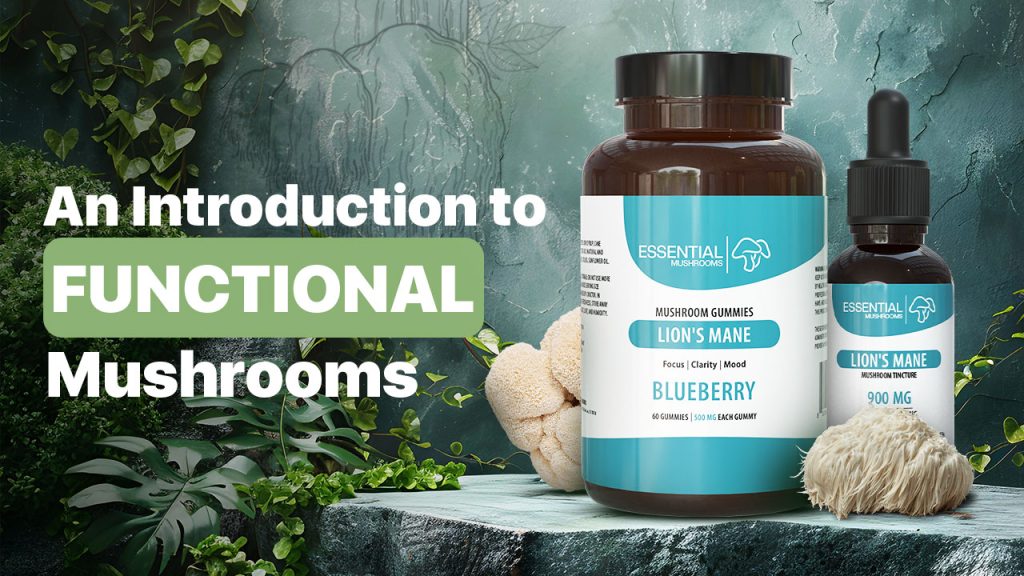
Functional mushrooms have emerged as a buzzword in the health and wellness community. Unlike the typical button mushrooms found on pizzas or salads, functional mushrooms are celebrated for their potential health benefits. Packed with bioactive compounds, they’ve been used for centuries in traditional medicine and are now making their way into modern wellness routines.

This guide introduces you to the fascinating world of functional mushrooms, their uses, and why so many people buy mushrooms online.

What Are Functional Mushrooms? 

Functional mushrooms are a category of fungi believed to offer more than just nutritional value. They’re often rich in antioxidants, polysaccharides, and other bioactive compounds that researchers say may benefit the body and mind. These mushrooms are not consumed for their taste or texture but for their potential to support various aspects of health.

Unlike culinary mushrooms, functional varieties are often processed into powders, extracts, or capsules, making them easy to incorporate into daily routines.

Popular Types of Functional Mushrooms 

  • Lion’s Mane

Known for its shaggy appearance, Lion’s Mane is often linked to brain health. Researchers believe it may support cognitive function, memory, and focus by encouraging nerve regeneration.

  • Reishi

Often called the “Mushroom of Immortality,” Reishi and Reishi mushroom supplements are known for their calming properties. It’s a popular choice for those looking to manage stress or support sleep.

  • Cordyceps

Cordyceps are often associated with energy and endurance. Athletes and fitness enthusiasts appreciate its potential role in boosting stamina and oxygen utilization.

  • Chaga

Packed with antioxidants, Chaga is sometimes called the “King of Mushrooms.” It’s believed to support immune health and reduce oxidative stress.

  • Turkey Tail 

This vibrant mushroom is celebrated for its immune-supporting properties. Its polysaccharides, extracted and added to turkey tail mushroom supplements, are believed to strengthen the body’s defenses.

  • Shiitake

Shiitake mushrooms, widely known for their use in Asian cuisine, are also valued for their functional properties. Scientists say Shiitake mushrooms supplements are rich in compounds that may support heart health by maintaining healthy cholesterol levels.

Why Functional Mushrooms Are Trending 

The resurgence of interest in natural wellness solutions has propelled functional mushrooms into the spotlight. Many people seek plant-based supplements, and mushrooms fit perfectly into this trend. Their versatility—ranging from capsules to coffee blends—also makes them easy to adopt in daily life.

Functional mushrooms are being researched for their potential to support brain health, immune function, and energy levels. While these studies are ongoing, their historical use in traditional medicine adds to their appeal.

How to Incorporate Functional Mushrooms 

Adding functional mushrooms to your routine is easier than you might think. Here are a few ways to get started:

  • Capsules and Tablets: Ideal for convenience and precise dosing.
  • Powders: Mix into smoothies, teas, or recipes for an easy nutritional boost.
  • Gummies: A tasty way to enjoy their benefits.
  • Coffee and Tea Blends: Replace your usual cup with a mushroom-infused alternative.

To Conclude

Functional mushrooms are more than a trend; they’re a bridge between traditional wisdom and modern wellness. With their unique compounds and versatility, they offer exciting potential for supporting your overall health.

To explore a variety of functional mushroom supplements and discover how they can complement your lifestyle, visit Essential Mushrooms today. Don’t hesitate to buy mushrooms online from there.


Cannabis has long been associated with medicinal benefits, but recently it has gained popularity in the skincare industry. With its potent anti-inflammatory properties and high concentration of antioxidants, cannabis is making its way into skincare products like oils, creams, and serums. If you’re looking to incorporate cannabis into your skincare routine, understanding how it works and its potential benefits can help you make the most of this natural ingredient.

Understanding Cannabis and Its Benefits for Skin Care

Cannabis contains various compounds, with the most well-known being cannabinoids like CBD (cannabidiol) and THC (tetrahydrocannabinol). However, in skincare, CBD is the star of the show. CBD is non-psychoactive, meaning it won’t make you feel “high,” but it is packed with properties that can work wonders for your skin. These include:

  1. Anti-Inflammatory Effects: One of the primary benefits of CBD is its ability to reduce inflammation. Whether you suffer from acne, eczema, or psoriasis, inflammation is often at the root of the issue. CBD can help to calm the skin, reducing redness and irritation.
  2. Antioxidant Protection: CBD is a powerful antioxidant that can protect your skin from the damaging effects of free radicals. Free radicals, which are produced by environmental stressors like pollution and UV rays, can accelerate aging and lead to wrinkles. Antioxidants neutralize these free radicals, helping to prevent premature aging and skin damage.
  3. Hydration: Keeping your skin well-hydrated is essential for maintaining a healthy complexion. Cannabis-infused products can help lock in moisture, providing lasting hydration to dry and dehydrated skin. This is especially beneficial for people with conditions like eczema or dry patches.

Incorporating Cannabis Into Your Skin Care Routine

There are several ways to incorporate cannabis into your skincare regimen. The key is to find the products and methods that best suit your skin type and concerns.

Cannabis Oil for Moisturizing and Healing

One of the simplest and most effective ways to use cannabis in your skincare routine is through cannabis-infused oils. These oils are rich in CBD, fatty acids, and other nutrients that can deeply moisturize the skin. They also offer healing properties that can benefit a variety of skin concerns, from acne to signs of aging.

To use cannabis oil, apply a few drops to cleansed skin and massage gently into your face and neck. This can be done both in the morning and at night. For people with acne-prone skin, look for a cannabis oil that is non-comedogenic (won’t clog pores). For dry skin, opt for a thicker oil to provide extra hydration.

Cannabis Creams and Serums for Targeted Treatments

Cannabis creams and serums are perfect for more targeted skin care. These products are often formulated to address specific skin concerns, such as redness, fine lines, or irritation. When choosing a cannabis-infused cream or serum, it’s important to check the ingredient list for added botanicals like aloe vera or hyaluronic acid, which can complement the benefits of cannabis.

For example, a cannabis serum with added Vitamin C can help brighten the complexion and fight against environmental damage. On the other hand, a cannabis-infused moisturizer can provide deep hydration and create a protective barrier against harsh weather conditions.

Using Cannabis for Acne and Breakouts

Cannabis is increasingly being recognized as a natural remedy for acne due to its anti-inflammatory properties. Acne is often a result of excessive oil production, clogged pores, and inflammation, which can lead to breakouts. The calming effect of CBD can help reduce redness and swelling associated with acne.

You can incorporate cannabis products directly into your acne care routine by choosing a cannabis-infused serum or cream formulated specifically for acne-prone skin. Look for products that are designed to balance oil production without over-drying the skin. CBD oil, in particular, can be beneficial for its ability to regulate the skin’s oil levels, preventing both excessive dryness and excessive oiliness.

Cannabis-Infused Face Masks for Deep Cleansing

A cannabis-infused face mask can provide a more intensive treatment for your skin. Face masks are designed to draw out impurities, cleanse the skin, and restore balance. By incorporating cannabis, you can benefit from its calming and moisturizing effects while also receiving a thorough deep cleanse.


Apply the face mask after cleansing your skin, leave it on for the recommended time, and then rinse it off with lukewarm water. Follow up with a hydrating toner or serum to lock in moisture. Using a cannabis face mask once or twice a week can help keep your skin clean, calm, and radiant.

Conclusion

Cannabis is an increasingly popular ingredient in skincare, thanks to its wide array of benefits. From reducing inflammation and fighting free radicals to providing deep hydration, cannabis can be a valuable addition to your skin care regimen. By incorporating cannabis oils, creams, serums, or face masks, you can target specific skin concerns and enjoy healthier, calmer skin.