Author

Daniel Howe

Browsing

Breastfeeding is a beautiful and natural way to nourish your baby, but it can also come with its fair share of challenges. One critical factor in successful breastfeeding is achieving the perfect latch position. This ensures maximum comfort for mom and baby and allows optimal milk transfer.

In this article, we will delve into the art of breastfeeding and explore different latch positions that can make the experience more comfortable and practical. From the traditional cradle hold to the football hold and the laid-back place, we will cover the various techniques and their benefits.

With a focus on maintaining a warm and supportive brand voice, we understand that every mother’s journey is unique. Our goal is to provide helpful insights and practical tips to help you master the art of breastfeeding. Whether you are a first-time mom or looking to improve your breastfeeding experience, this article will provide the guidance you need.

Join us as we explore the world of latch positions and unlock the secrets to successful and comfortable breastfeeding.

The Importance Of A Proper Latch In Breastfeeding

A proper latch is crucial for successful breastfeeding. It ensures that your baby effectively removes milk from the breast and helps prevent discomfort and nipple soreness. When your baby latches onto the breast correctly, their mouth covers a large portion of the areola, not just the nipple. This allows them to stimulate the milk ducts and access the milk supply more efficiently.

Moreover, a good latch promotes milk flow and prevents engorgement and blocked ducts. It also helps your baby gain weight steadily and ensures it receives nutrients for healthy development.

Attention to your baby’s position and mouth alignment is essential for a proper latch. The following latch positions can help you find the most comfortable and effective way to breastfeed your baby.

Common Challenges And Discomforts With Breastfeeding

Breastfeeding is a learned skill that can take time and practice to perfect. Many new mothers experience challenges and discomforts along the way. Some of the common issues include sore nipples, engorgement, low milk supply, and difficulty latching.

Sore nipples can occur if your baby is not properly latched on. To prevent discomfort, it’s essential to ensure that your baby’s mouth covers a large portion of the areola, not just the nipple. Engorgement, which occurs when the breasts become overly full and firm, can also make breastfeeding challenging. Applying warm compresses and expressing milk before nursing can help alleviate this issue.

Low milk supply is another common concern for breastfeeding mothers. Remember that breastfeeding works on a supply-and-demand basis, so frequent nursing sessions can help boost milk production. If you’re struggling with latching, seeking support from a lactation consultant or a breastfeeding support group can be beneficial.

Different Latch Positions For Optimal Comfort And Milk Transfer

Cross-Cradle Latch Position

The cross-cradle latch position is a popular choice for many mothers, especially in the early days of breastfeeding. In this position, you cradle your baby’s head with the opposite arm from the breast you are nursing on. This allows you to guide your baby’s mouth to the breast and ensure a proper latch.

Sit in a comfortable chair with good back support to achieve the cross-cradle latch position. Use a nursing pillow or regular pillows to raise your baby to breast level. Hold your baby with their nose directly across from your nipple and their body facing you. Support your breast with your opposite hand, placing your thumb above the areola and your fingers below. Gently stroke your baby’s lips with your nipple until their mouth opens wide, then quickly bring them onto the breast, ensuring their mouth covers a large portion of the areola.

Football Hold Latch Position

The football hold latch position is particularly beneficial for mothers who have had a cesarean section or those with larger breasts. It allows for better visibility and control during breastfeeding.

To achieve the football hold latch position, sit in a comfortable chair and use a nursing pillow or regular pillows to bring your baby up to breast level. Tuck your baby’s body under your arm, with their head supported by your hand. Position your baby’s body facing you, with their legs extending towards your back. Support your breast with your opposite hand, similar to the cross-cradle position. Gently stroke your baby’s lips with your nipple until their mouth opens wide, then quickly bring them onto the breast, ensuring their mouth covers a large portion of the areola.

Side-Lying Latch Position

The side-lying latch position is ideal for nighttime feedings or when you need to rest while breastfeeding. It allows you and your baby to lie comfortably on your sides while nursing.

To achieve the side-lying latch position:

  • Lie on your side with your baby facing your breast.
  • Use a pillow to support your head and neck and another behind your back for comfort.
  • Bring your baby close to your breast and support their head with your hand.
  • Use your opposite arm to support your breast, ensuring a proper latch.
  • Gently stroke your baby’s lips with your nipple until their mouth opens wide, then quickly bring them onto the breast, ensuring their mouth covers a large portion of the areola.

Laid-Back Or Biological Nurturing Latch Position

The laid-back or biological nurturing latch position uses gravity to help your baby naturally find the breast and latch on. This position can be particularly beneficial for babies with difficulty latching or mothers with oversupply or overactive letdown.

To achieve the laid-back latch position, recline in a semi-upright part with your back supported and your knees bent. Place your baby’s naked body on your bare chest, allowing it to rest against your body. Your baby naturally uses its instincts to find the breast and latch on. This position allows your baby to explore and find the most comfortable latch.

Tips For Achieving A Good Latch

Achieving a good latch is essential for successful breastfeeding. Here are some tips to help you achieve and maintain a proper latch:

  •  Ensure a comfortable and relaxed environment.
  •  Position yourself and your baby in a comfortable and supported position.
  •  Support your breast with your hand to ensure a good latch.
  •  Stroke your baby’s lips with your nipple to encourage them to open wide.
  •  Bring your baby to the breast when their mouth is wide open.
  •  Ensure your baby’s mouth covers a large portion of the areola, not just the nipple.
  •  Listen for a rhythmic sucking pattern and swallowing sounds to ensure effective milk transfer.

Remember, practice makes perfect, and you are expected to experience trial and error when finding the most comfortable latch position for you and your baby. Don’t hesitate to seek support from a lactation consultant or a breastfeeding support group if facing any challenges.

Troubleshooting Latch Problems

Even with the best intentions, some mothers may encounter latch difficulties. Here are some common latch problems and potential solutions:

  •  Shallow latch: Ensure your baby’s mouth is wide open and their lips flanged.
  •  Nipple pain: Check for proper latch and positioning. If pain persists, seek help from a lactation consultant.
  • Tongue tie: Consult a healthcare professional or a pediatric dentist for evaluation and potential treatment options.
  • Engorgement: Express milk before nursing or use a warm compress to help soften the breast.
  • Low milk supply: Nurses frequently seek support from a lactation consultant to help boost milk production.

Remember, every breastfeeding journey is unique, and finding the best support and resources for you and your baby is essential.

Conclusion: Mastering Latch Positions For A Successful Breastfeeding Journey

Breastfeeding is a beautiful and natural way to nourish your baby, and achieving the perfect latch position is critical to a successful and comfortable breastfeeding journey. By exploring different latch positions, such as the cross-cradle, football hold, side-lying, and laid-back parts, you can find the one that works best for you and your baby.

Remember, practice and patience are essential when mastering latch positions. If you encounter any challenges, don’t hesitate to seek support from lactation consultants, breastfeeding support groups, or healthcare professionals. With the proper guidance and knowledge, you can overcome obstacles and enjoy a fulfilling breastfeeding experience for you and your baby.

So, embrace the art of breastfeeding, perfect your latch positions, and cherish the unique bond breastfeeding creates between you and your little one.


Testosterone is a vital hormone predominantly produced in the testicles for men and in smaller amounts in women’s ovaries. It plays a crucial role in developing male sexual characteristics and maintaining muscle mass, bone density, and red blood cell production.

What is Testosterone?

Testosterone is classified as a steroid hormone in the androgen group. It is essential for the development of male reproductive tissues as well as promoting secondary sexual characteristics such as increased muscle and bone mass, and the growth of body hair.

Functions of Testosterone in the Body

The hormone is not only pivotal for sexual and reproductive development but also contributes to modulating libido, energy levels, and mental health. It influences fat distribution, bone density, muscle strength, and the production of red blood cells.

Indicators of Healthy Testosterone Levels

Healthy levels of testosterone are indicated by various factors including libido, mood stability, and physical vitality. Symptoms of low testosterone can include fatigue, mood swings, and a decrease in muscle mass. Regular monitoring and managing testosterone levels are crucial for long-term health and well-being.

Impact of Exercise on Testosterone Levels

Exercise plays a pivotal role in regulating hormonal health, particularly testosterone levels in the body. Engaging in regular physical activity can significantly influence the production and regulation of this crucial hormone.

  • Physical activity stimulates the body’s endocrine system, enhancing the natural production of testosterone. This is particularly evident in resistance training and high-intensity workouts.
  • Different types of exercises have varying impacts on testosterone levels. For instance, strength training, especially when involving large muscle groups, is known to boost testosterone more effectively than endurance exercises.
  • The response of testosterone to exercise is not linear and depends on the intensity and duration of the workout. Short, intense workouts are generally more beneficial for testosterone production than prolonged, moderate activities.

Understanding these dynamics can help individuals tailor their exercise routines to optimize hormonal health and overall well-being.

Optimal Exercise Routines for Testosterone Enhancement

Strength Training and Testosterone

Strength training is pivotal in enhancing testosterone levels. Incorporating exercises like squats, deadlifts, and bench presses can significantly boost hormonal production. The key is consistency and gradually increasing the intensity to stimulate testosterone release effectively.

Cardiovascular Exercises and Hormonal Balance

While strength training is crucial, cardiovascular exercises also play a significant role in maintaining hormonal balance. Activities such as running, cycling, and swimming help improve overall health and can indirectly support testosterone levels by reducing body fat and improving metabolic health.

Combining Exercise Modalities for Maximum Benefit

To achieve the best results, a combination of strength training and cardiovascular exercises is recommended. This approach not only enhances testosterone production but also ensures a well-rounded fitness regimen. Balancing these modalities helps in achieving optimal hormonal health and physical fitness.

Diet and Nutrition: Complements to Exercise

Key Nutrients That Support Testosterone Production

A balanced diet rich in specific nutrients can significantly enhance testosterone production. Essential nutrients include zinc, vitamin D, and omega-3 fatty acids. Foods like oysters, fortified cereals, and fatty fish are excellent sources. Regular intake of these nutrients supports the hormonal health necessary for optimal testosterone levels.

Dietary Patterns for Hormonal Health

Adopting dietary patterns that promote hormonal balance is crucial. A Mediterranean diet, which emphasizes fruits, vegetables, whole grains, and healthy fats, has been shown to be beneficial. This diet not only supports testosterone levels but also improves overall health.

Interplay Between Diet, Exercise, and Testosterone

The synergy between diet and exercise is vital for maintaining healthy testosterone levels. A diet that complements an exercise regimen can enhance hormonal responses and improve exercise efficacy. For instance, consuming protein-rich foods post-workout can aid in muscle recovery and boost testosterone production.

Lifestyle Factors Affecting Testosterone Levels

Lifestyle choices play a crucial role in maintaining healthy testosterone levels. Factors such as stress, sleep quality, body weight, and substance use can significantly influence hormonal balance.

  • Stress is a major disruptor of hormonal equilibrium. Chronic stress elevates cortisol levels, which in turn can suppress testosterone production. Managing stress through relaxation techniques and mindfulness can help mitigate its impact on testosterone.
  • Adequate sleep is essential for optimal testosterone production. Poor sleep patterns are linked to lower testosterone levels. Adults should aim for 7-9 hours of quality sleep per night to support hormonal health.
  • Body weight and fat distribution affect testosterone levels. Excess body fat, especially in the abdominal area, is associated with decreased testosterone. Maintaining a healthy weight through diet and exercise is crucial for hormonal balance.
  • The consumption of alcohol and the use of smoking products can also negatively impact testosterone levels. Moderation or avoidance of these substances is recommended to maintain healthy testosterone levels.

Understanding and managing these lifestyle factors can help individuals maintain or enhance their testosterone levels, contributing to overall well-being and health.

Age-Related Changes in Testosterone and Exercise Needs

Testosterone Levels Across Different Life Stages

Testosterone levels naturally fluctuate throughout a man’s life. During adolescence and early adulthood, levels peak, providing optimal conditions for muscle growth and reproductive functions. As men age, these levels gradually decline, which can affect physical health and well-being.

Adjusting Exercise Routines with Age

As testosterone levels decline, it becomes crucial to adapt exercise routines to maintain hormonal health. Older adults may benefit from a mix of strength training and moderate cardiovascular exercises to help sustain testosterone levels and muscle mass.

Preventing Testosterone Decline in Older Adults

Preventative measures can be taken to slow the decline of testosterone as one ages. Regular physical activity, combined with a balanced diet and adequate sleep, plays a significant role in maintaining healthy testosterone levels. Strategies such as personalized men’s health treatments including testosterone therapy can also be considered to manage levels effectively.

Navigating the mesothelioma settlement process can be overwhelming. Consulting experienced mesothelioma attorneys is crucial for several reasons. These professionals bring specialized knowledge and skills to the table, ensuring that plaintiffs make informed decisions throughout the legal journey.

Why Expertise Matters in Mesothelioma Cases

Mesothelioma lawsuits are complex and require a deep understanding of both medical and legal aspects. Experienced attorneys can provide tailored guidance, helping plaintiffs understand the potential outcomes and risks at each stage. They are adept at gathering comprehensive evidence, which is essential for building a strong case. This expertise is vital in navigating the legal intricacies and maximizing compensation.

How to Choose the Right Attorney

Selecting the right attorney is a critical step. Here are some key factors to consider:

  • Track Record: Investigate the attorney’s history with mesothelioma cases, including their success rate.
  • Reputation: Look for testimonials and reviews from former clients to gauge reliability and professionalism.
  • Contingency Fees: Ensure the attorney works on a contingency fee basis, meaning you only pay if you receive compensation.

Questions to Ask During Initial Consultations

During initial consultations, it’s important to ask pertinent questions to determine if the attorney is a good fit for your case. Consider asking:

  • What is your experience with mesothelioma cases?
  • What strategy do you plan to employ?
  • How will you keep me informed throughout the process?
  • Who will handle the day-to-day aspects of my case?

By asking these questions, you can ensure that the attorney has the necessary experience and approach to handle your case effectively.

Key Steps in the Mesothelioma Settlement Process

Navigating the mesothelioma settlement process involves several critical steps. Each step is essential to ensure that the case is handled effectively and that the affected individual receives the compensation they deserve. Here are the key steps involved:

Filing the Initial Complaint

The first step in the mesothelioma settlement process is filing the initial complaint. This legal document outlines the plaintiff’s allegations against the defendant and formally starts the legal process. It is typically filed in a court that has jurisdiction over the case.

The Discovery Phase: Gathering Evidence

Following the filing, the discovery phase begins. This phase is crucial for gathering evidence to support the claims. Both parties exchange relevant information, including medical records, employment history, and other documentation. Depositions may also occur, where witnesses provide sworn testimonies. This phase is vital for building a strong case, as it helps demonstrate the link between asbestos exposure and the development of mesothelioma.

Settlement Negotiations and Trial Preparation

As the discovery phase concludes, settlement negotiations often begin. These discussions aim to reach an agreement without going to trial. Settlements can be beneficial for both parties, offering a quicker resolution and reducing the uncertainties associated with a jury trial. However, if a settlement is not achievable, the case proceeds to trial. During the trial, both the plaintiff’s and defendant’s legal teams present their arguments, supported by the evidence gathered during discovery. The jury or judge then deliberates and delivers a verdict. If the verdict is in favor of the plaintiff, the court awards compensation for medical expenses, lost wages, and other damages.

Factors Influencing Mesothelioma Settlements

When it comes to mesothelioma settlements, several factors can influence the amount of compensation a patient might receive. Understanding these factors can help in navigating the legal process more effectively.

Mesothelioma Settlements vs. Verdicts

Pros and Cons of Settlements

Settlements are agreements made outside of court between the plaintiff and the defendant. They are often quicker and less stressful than going to trial. Here are some pros and cons:

Pros:

  • Speed: Settlements can be reached faster than waiting for a trial verdict.
  • Certainty: You know exactly how much compensation you will receive.
  • Less Stress: Avoids the emotional strain of a trial.

Cons:

  • Lower Compensation: Settlements may offer less money than a trial verdict.
  • No Admission of Guilt: The defendant doesn’t have to admit they did anything wrong.

Understanding Verdicts and Their Implications

A verdict is the final decision made by a judge or jury after a trial. This process can be lengthy and complex but may result in higher compensation. Here are some key points:

  • Higher Awards: Verdicts can sometimes result in larger financial awards.
  • Public Record: The details of the case become public, which can be a positive or negative aspect.
  • Uncertainty: There’s no guarantee of winning the case, which can be risky.

Making an Informed Decision: Settle or Go to Trial

Deciding whether to settle or go to trial is a big decision. Here are some factors to consider:

  1. Financial Needs: If you need money quickly, a settlement might be better.
  2. Strength of Case: Strong evidence might make a trial more appealing.
  3. Emotional Readiness: Consider if you are prepared for the stress of a trial.

Consulting with an experienced mesothelioma attorney can help you weigh these factors and make the best choice for your situation.

Maximizing Your Mesothelioma Settlement

Gathering Comprehensive Evidence

To secure the best possible settlement, it’s crucial to gather comprehensive evidence. This includes documenting your asbestos exposure, creating a clear timeline linking it to your mesothelioma diagnosis, and collecting all relevant medical records. The more detailed your evidence, the stronger your case will be.

Strategic Negotiation Tactics

Effective negotiation is key to maximizing your settlement. Your attorney will play a vital role in this process, using their expertise to present a robust case and strategically maneuver to secure the best possible compensation. Remember, initial offers are often low, so be prepared to negotiate.

The Role of Expert Witnesses

Expert witnesses can significantly bolster your case. These professionals can provide compelling testimony that links your illness to asbestos exposure and explains the severity of your condition. Their input can be invaluable in both settlement negotiations and, if necessary, in court.

Common Challenges in the Mesothelioma Settlement Process

Dealing with Low Initial Offers

One of the first hurdles in the mesothelioma settlement process is often the low initial offers from defendants. These offers can be discouraging, but they are a common tactic used to minimize payout. It’s important to stay patient and work with an experienced attorney who can negotiate for a fairer amount.

Navigating Legal Complexities

Mesothelioma cases are legally complex due to the long latency period of the disease and the need to prove asbestos exposure. This often involves extensive research and expert testimony. Multiple defendants can also complicate the case, as each may have different legal strategies. Having a knowledgeable legal team is crucial to manage these complexities. Mesothelioma Hope can help connect you with appropriate legal specialists.

Emotional and Financial Strain

The emotional toll of dealing with a mesothelioma diagnosis can be overwhelming. The legal process adds another layer of stress, which can affect both the patient and their family. Financial strain is also a significant challenge, as medical bills and lost wages accumulate. Support from counselors and support groups can be invaluable during this time.

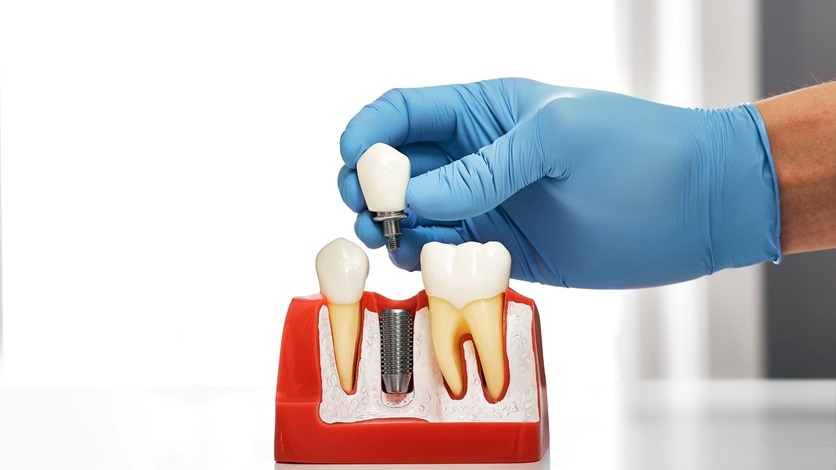
Full-mouth rehabilitation, also known as full-mouth reconstruction or full-mouth restoration, is a comprehensive dental treatment that involves restoring the entire mouth to improve both function and aesthetics. Moreover, full mouth dental implants in Gilbert, AZ involve various treatments such as fillings, crowns, bridges, implants, and even orthodontics. It can significantly improve oral health, overall well-being, and self-confidence. Before embarking on this journey, there are a few critical factors to consider.

1.    Dental Health Assessment

Before undergoing any full-mouth rehabilitation procedure, it is essential to have a thorough dental health assessment. This will involve examining the teeth, gums, and jawbone through X-rays and other diagnostic tools. The dentist will evaluate the condition of your teeth, the presence of cavities or decay, gum disease, and any other oral health issues that may affect the treatment plan. This assessment is crucial in determining the appropriate treatment options for your specific needs.

2.    Treatment Plan

Once the dental health assessment is complete, the next step is to develop a treatment plan tailored to your oral health needs. This will involve discussing the treatment options, their costs, and expected outcomes with your dentist. It is essential to have a clear understanding of what the treatment entails and its potential benefits and risks before proceeding. This will also give you the opportunity to ask any questions or address any concerns you may have.

3.    Time Commitment

Full-mouth rehabilitation is a comprehensive treatment that can take several months to complete. Depending on the severity of your dental issues, the treatment may involve multiple procedures, each requiring its own recovery time. It is crucial to factor in the time commitment required for this treatment to ensure that you can dedicate the necessary time and effort. Additionally, make sure to discuss the timeline with your dentist and plan accordingly.

4.    Financial Considerations

Full-mouth rehabilitation involves a combination of treatments, which can be costly. It is essential to discuss the costs with your dentist and come up with a payment plan that suits your budget. Remember to factor in any potential additional costs, such as follow-up appointments or maintenance procedures. Also, inquire about any available financing options that can help make the treatment more affordable for you.

Conclusion

Full-mouth rehabilitation is a significant decision that requires careful consideration. It is crucial to know what a full-mouth dental implant is and to have a thorough understanding of the treatment before proceeding. Consider these four factors, along with your personal goals and expectations, to make an informed decision about your oral health. With proper planning and communication with your dentist, you can achieve a healthy, functional, and beautiful smile through full-mouth rehabilitation.

An epidural steroid injection is a medical procedure that involves injecting steroids directly into the spine. This treatment is commonly used to relieve pain and inflammation in the back, neck, arms, or legs caused by conditions such as herniated discs or spinal stenosis. While an epidural steroid injection in Chicago can be an effective form of pain relief, it is important to understand what the procedure entails and what to expect before deciding whether it is right for you. In this article, we will discuss the important things to know before getting an epidural steroid injection.

Understanding Epidural Steroid Injections

An epidural steroid injection involves injecting a combination of local anesthetic and corticosteroids into the epidural space, which is located between the spinal cord and the vertebrae. This injection can help reduce inflammation and swelling in the area, providing pain relief for a period. However, it is important to note that an epidural steroid injection is not a permanent solution and may need to be repeated to maintain pain relief.

Who Can Benefit from Epidural Steroid Injections?

Epidural steroid injections are commonly recommended for individuals who are experiencing pain and inflammation in the back, neck, arms, or legs. This can be caused by a variety of conditions, such as herniated discs, spinal stenosis, or degenerative disc disease. These injections may also be recommended for individuals with sciatica or nerve-related pain. Read this blog to learn the benefits of epidural steroid injections so you can understand them better.

What to Expect During the Procedure

Before the procedure, your healthcare provider will review your medical history and perform a physical examination to determine if an epidural steroid injection is appropriate for you. During the procedure, you will be asked to lie on your stomach or side while the area is cleaned and numbed. A small needle will then be inserted into the epidural space and the medication will be injected. The entire process usually takes less than 30 minutes.

Aftercare and Recovery

After the procedure, you may experience temporary relief from pain due to the anesthetic. The full effects of the steroids can take a few days to a week to fully kick in. It is important to rest for the first 24 hours following the injection and avoid strenuous activities for at least two weeks. Your healthcare provider may also recommend physical therapy or other forms of rehabilitation to help with long-term pain management.

Conclusion

An epidural steroid injection can be an effective form of pain relief for individuals experiencing back, neck, arm, or leg pain. However, it is important to thoroughly discuss the procedure with your healthcare provider and understand the potential risks and benefits before deciding. If you do decide to go through with an epidural steroid injection, make sure to follow aftercare instructions and communicate any concerns or side effects with your healthcare provider. With the right information and proper care, you can make an informed decision about whether an epidural steroid injection is the right choice for you.

With the founding of Prvisio Partners in 2017, we set out to assist public sector companies, healthcare providers, and human service businesses with their technology application requirements. We help these types of companies find the right technological answers to common problems that, if left unchecked, might have major repercussions. We help government agencies realize the benefits of the cutting-edge marketing program Salesforce by drawing on our expertise as a top authority in using Salesforce technology. Teams in human and health care enterprises can benefit from our Salesforce development services since we cater to those who don’t have the skills or knowledge to make full use of the platform’s built-in technical assistance. Get in touch with Provisio Partners if you believe that Salesforce consulting services will be beneficial for your business.

Services Offered by Provisio Partners: Benefits

Roughly ninety-nine percent of human and health services partner organizations, according to surveys. Although Salesforce software provides a holistic view of patients’ habits, behaviors, and use of health-related apps, your teams need to be cognizant of the complicated nature of gaining access to and making use of this data. In this case, our development services come in handy. All of our employees have the knowledge and skills necessary to share their knowledge.

Our approach is tailoring our training programs to meet the specific needs of your business. We understand that the ever-growing realms of social services and healthcare provide unique challenges on top of complying with complex rules. Fortunately, Salesforce software provides highly tailored answers to most health-related issues, and we won’t waste your money on training that won’t be useful to your staff. We are experts in the technological and digital changes needed to get the most out of customer relationship management software.

Our services often lead to a 32% improvement in production and a 25% rise in income. Customer satisfaction ratings increase by 26% on average, according to Salesforce’s research in Forbes magazine. Our advanced team training also has the following benefits:

  • Automating the main supply list provided by your provider to prevent shortages
  • Utilizing market automation to provide patients with vital information at the right moments
  • Using artificial intelligence to distill your massive data set into recommendations that can be put into practice to improve patient care
  • Including a variety of systems in your database
  • Utilizing system adaptability to handle the ever-changing regulatory requirements

Relating to Our Company

We started our firm in 2017 with the goal of boosting the availability of service-oriented enterprises that can cater to people’s requirements. Experienced public relations professionals make up our teams; they know how to lead diverse teams, how to build relationships with people using technology, and how to increase your team’s understanding of key demographics. We help your own employees improve their Salesforce skills, understand people better, and work together with local groups more efficiently. Ultimately, our unwavering commitment remains to ensure that all individuals in the Chicago region have an equal chance to benefit from community-based programs.

Schedule a Meeting

To schedule a consultation about your Salesforce needs, call or contact Provisio Partners online. We teach public service companies and health and human services firms the ins and outs of company growth at the professional level as members of the Salesforce Talent Alliance. Our team at Ar Prvisio Partners is well-versed in working with a wide range of people and organizations to foster a supportive workplace.

The wellness world continues buzzing about Delta 8 THC for its uplifting and balancing properties. As the chill cousin of traditional delta 9 THC, delta 8 delivers a clear-headed, functional high perfect for integrating into self-care routines. With benefits ranging from improved mood and focus to reduced pain and tension, delta 8 complements healthy lifestyles. If you live in a state where Delta 8 remains legal, adding touches to this intriguing cannabis compound could amplify your wellness practices. 

Start low and slow

Since delta 8 dosage needs vary individually, adopt a “low and slow” approach when first integrating into your self-care regime. Begin with just 2-5 mg to gauge your threshold before increasing slowly by 1-2 mg at a time. Keep adjusting until you dial in your optimal routine dosage for desired effects. Remember that Delta 8 takes over 90 minutes to fully activate, especially with edibles. Allow enough wait time before consuming more to prevent taking too much at once as the effects compound. Jot notes in a wellness journal to track personal reactions to different products and dosages.  

Mix and match your method

The best delta 8 brands appear in various product types to suit different wellness applications. Experiment with mixing formats to see what you enjoy most.

  1. Tinctures placed under the tongue offer quick, convenient relief dosing. Great for periodic use to ease anxiety or pain when needed.  
  2. Edibles like gummies release longer-lasting effects better suited for daily maintenance. The digestive process creates a more metabolized, stronger high requiring lower doses.
  3. Vapes, joints, and flowers generate immediate yet fleeting benefits perfect when you want focused results. Inhaling gets delta 8 directly into your bloodstream through the lungs so start extra low. 
  4. Topicals work wonders applied locally to problem areas like sore joints and muscles for quick-absorbing, analgesic relief without any intoxication. Rub on as needed.

Find the routines and applications that sync best with each delivery method. Just listen closely to your body and adjust accordingly.

Make a morning smoothie 

Start your day dialed in by blending Delta 8 into a nutrient-rich morning smoothie. The icy cold helps mask any strong cannabis taste while cooling terpenes provide refreshing brightness. Chilled smoothies also help mitigate the delayed onset of edible delta 8, allowing you to better judge effects timed with your morning’s demands. Try 5-10 mg mixed into a powerhouse blender full of fruit, veggies, nut butter, and protein powder for an energized lift while avoiding an overly intense high. 

Unwind in the evening 

At the other end of the day, delta 8 beckons as the perfect way to decompress. Transitioning from busy days to tranquil nights proves challenging for many facing sleep issues rooted in chronic pain, anxiety, and restlessness. Sipping a warm, delta 8-infused evening tea 30-60 minutes before bed helps your mind shift gears while relaxing tense muscles. Chamomile, passionflower, and lavender work synergistically with 5-10 mg delta 8 to invite restorative relaxation ideal for sounder sleep. If using a vape pen, take small puffs to harness calming terpenes without overstimulating effects that delay sleep. 

Enhance yoga and meditation

Yogis praise cannabis for deepening awareness and maneuverability in poses while meditators laud its ability to settle busy minds. However, the intense cognitive distorting effects of traditional marijuana can prove distracting. This makes Delta 8 perfect for enhancing these practices. Take 2-5 mg delta 8 via sublingual tincture then wait at least 60-90 minutes for full activation before unfurling your mat. Lean into experiential sensations as you flow through sequences while quieting mental chatter during seated meditation. Delta 8 amplifies embodiment, presence, and mindfulness. The creative applications for adding Delta 8 into wellness routines remain boundless. Always focus on your intentions and outcomes to guide experimentation backed by careful, conscious consumption. Seek genuine enrichment rather than just chasing a high.

At Ivím Health, we are dedicated to helping our clients feel their best. As a majority of Americans are overweight or obese, the first step to feeling better could be weight loss. The right weight loss medication can facilitate your weight loss goals.

At Ivím Health, we prescribe patients Semaglutide or Tirzepatide. Learn more about whether these medications could be right for you.

What are Semaglutide and Tirzepatide

Both Semaglutide and Tirzepatide are categorized as GLP-1 agonists shown to reduce appetite and increase metabolism. Studies indicate that clients can expect a 15% decrease in body weight with Semagltide in 68 weeks or a 22.5% decrease in body weight in 72 weeks with Tirzepatide.

How Do I Take Semaglutide and Tirzepatide?

We prescribe Semaglutide and Tirzepatide as injectables. You will need to inject the medicine into your muscles. Injections provide better bioavailability than pills, meaning the medicine will be better absorbed into your bloodstream. Better absorption equals better results. Your medication will come with instructions on how to give yourself intramuscular injections. You can also find a detailed instructional video on our website.

The Process

To get started, you’ll need to create an account with Ivím Health. The first month is free. After that, the cost for your subscription is $74.99/month.

As part of your subscription, you’ll receive:

  • Diet/nutrition plan
  • Access to medication
  • Supplement and progress tracking
  • 20% off accessibility programs

As part of the sign-up process, you’ll complete a simple health quiz to teach us more about your health and your wellness goals.

Next, you will need to schedule a brief Telehealth visit with one of our providers. The provider will verify your health information with you to ensure that you are a good candidate for medication. With the prover’s approval, you and your provider will create a personalized treatment plan. After your appointment, you will receive your medication

and access to the Ivím Health app.

After you complete your treatment plan, you will schedule a new appointment with your provider to go over your progress and any changes you might need to make going into your next plan.

Cost

Talk to your insurance provider to see if Semaglutide and Tirzepatide are covered under your policy. If you go through your insurance provider, you will pick up your medication at the pharmacy of your choice. It can take about a week for the prescription to be authorized.

If your insurance does not cover the weight loss medication, you may qualify for one of our accessibility programs. Programs are originally priced at $415/month. However, you can bring the cost down with your Ivím Health membership and buy three months of medication at a time. This can help you save money while also helping you achieve your weight loss goals.

Get Started on Your Weight Loss Journey

The sooner you get serious about your weight loss, the sooner you’ll see progress. Get started today by visiting the Ivím Health website. It has a host of information that can better help you understand the path to a healthier future. Don’t wait to take control of your health. Start today.

Wisdom tooth removal is a common dental procedure that many individuals in Melbourne, like those around the world, may undergo at some point in their lives. These third molars, often called wisdom teeth, typically emerge in the late teens or early twenties and can sometimes lead to various dental issues. Understanding the process of wisdom tooth removal in Melbourne is essential for maintaining oral health and preventing potential complications.

Why Wisdom Tooth Removal?

Wisdom teeth, the last set of molars located at the back of the mouth, can cause problems due to their late eruption and limited space in the jaw. Most people do not have sufficient room for these additional teeth, leading to a range of issues:

  1. Impaction: Wisdom teeth can become impacted, meaning they don’t fully emerge from the gum line. This can lead to pain, swelling, and infection.
  2. Crowding: The presence of wisdom teeth can disrupt the alignment of existing teeth, causing crowding and potential misalignment.
  3. Infection: Partially erupted wisdom teeth can trap food debris and bacteria, leading to gum infections and dental abscesses.
  4. Tooth Decay: Wisdom teeth are challenging to clean properly, making them susceptible to decay and cavities.

The Wisdom Tooth Removal Procedure

  1. Consultation: The process begins with a consultation with a qualified dentist or oral surgeon. During this appointment, the dentist will assess the patient’s oral health, take X-rays if necessary, and determine whether wisdom tooth removal is necessary.
  2. Anesthesia: Before the procedure, local or general anesthesia is administered to ensure the patient’s comfort and minimise pain.
  3. Extraction: The dentist or oral surgeon will carefully extract the wisdom tooth. If the tooth is impacted, a small incision may be made in the gum to access and remove it.
  4. Closure: Once the tooth is removed, the surgical site is cleaned, and dissolvable sutures or stitches are used to close the incision.

Recovery and Aftercare

After wisdom tooth removal, patients are given specific aftercare instructions to promote healing and minimise discomfort. These may include:

  1. Pain Management: Over-the-counter or prescription pain medications are often recommended to manage post-operative discomfort.
  2. Swelling Reduction: Applying cold packs to the affected area can help reduce swelling.
  3. Soft Diet: Patients are advised to stick to soft foods for a few days to avoid putting pressure on the surgical site.
  4. Oral Hygiene: It’s essential to maintain good oral hygiene while being gentle around the surgical area to prevent infection.
  5. Follow-Up: Patients should attend follow-up appointments as scheduled to monitor the healing process and ensure no complications arise.

Choosing the Right Dentist

Selecting a qualified dentist or oral surgeon for wisdom tooth removal in Melbourne is crucial for a successful and comfortable procedure. Consider the following factors when making your choice:

  1. Credentials: Ensure the dentist is licensed and has the necessary training and experience in oral surgery.
  2. Recommendations: Seek recommendations from friends, family, or your primary dentist for reputable oral surgeons.
  3. Consultation: Schedule a consultation to discuss your specific case and ask any questions you may have.
  4. Cost: Inquire about the cost of the procedure and whether it is covered by your dental insurance.

Conclusion

Wisdom tooth removal is a routine dental procedure that can significantly improve oral health and prevent future complications. If you’re experiencing pain, discomfort, or other issues related to your wisdom teeth, it’s essential to consult a qualified dentist or oral surgeon in Melbourne. By taking the necessary steps and following post-operative care instructions, you can ensure a smooth recovery and maintain your dental wellness for years to come.


Pet emergencies can strike without warning, and when they do, the readiness to act promptly can often make the difference between life and death. How ready are you to answer the call?

The Unpredictability of Pet Emergencies:

  1. Everyday Risks:
    From sudden allergic reactions to traumatic injuries, pets face a myriad of risks every day. While we can’t predict or prevent all dangers, we can certainly be prepared to handle them.
  2. Time: The Essential Factor:

When it comes to emergencies, time isn’t just of the essence—it’s often the difference between recovery and grievance. Immediate intervention, using the right techniques, can stabilize your pet and buy precious time until professional medical care is available.

Why Our CPR & First Aid Training is Crucial:

  1. Tailored for Pets:
    While some basics of first aid remain consistent across humans and animals, pets have unique anatomies and needs. Our training program focuses on pet-specific techniques, ensuring you get the most relevant and effective knowledge.
  2. Hands-On Experience:

It’s one thing to know the theory behind first aid and CPR—it’s another to be able to execute these skills under pressure. Our training is interactive, offering hands-on practice sessions to instill confidence in participants.

  1. Constantly Updated:

Medical techniques and best practices evolve. Our commitment is to stay updated with the latest in pet emergency care, ensuring that our trainees receive the most up-to-date information and techniques.

Discover the Full Spectrum of Our Training:

From recognizing the early signs of distress in pets to mastering advanced CPR techniques, our course covers a comprehensive range of topics. If you’re intrigued by what we’ve touched upon and want to dive deeper, we invite you to visit website for a complete breakdown of our offerings.

Empowerment Through Knowledge:

The peace of mind that comes with knowing you’re equipped to handle pet emergencies is invaluable. Our training isn’t just about imparting knowledge—it’s about transforming your relationship with your pets, allowing you to be their pillar of strength when they need it most.

Conclusion:

Emergencies wait for no one. But with the right training, you can ensure you’re never caught off-guard. Step up, answer the call, and become the hero your pet needs.