Category

Dental

Category

Maintaining good oral hygiene is not just about brushing your teeth twice a day; it’s about incorporating innovative oral care products into your routine to achieve a truly dazzling smile. 

In this article, we will explore a variety of groundbreaking products that can elevate your oral care regimen, leaving you with not just healthier teeth and gums but also a radiant, confident smile.

  1. Smart Toothbrushes: Revolutionizing Your Brushing Experience

Traditional toothbrushes are a thing of the past. Enter the era of smart toothbrushes that take your oral care routine to the next level. These intelligent devices come equipped with advanced sensors and connectivity features, ensuring you brush your teeth with precision. With real-time feedback and personalized brushing plans, they make your daily routine more effective and enjoyable.

  1. Activated Charcoal Toothpaste: Natural Whitening Power

Say goodbye to conventional toothpaste and hello to the wonders of activated charcoal toothpaste. This black toothpaste might seem unconventional, but its natural whitening properties are unmatched. Activated charcoal effectively removes surface stains, leaving your teeth visibly brighter. Embrace the trend and experience the benefits of this innovative oral care product.

  1. Teeth-Whitening LED Kits: Professional Results at Home

Achieving a bright, white smile doesn’t always require a trip to the dentist. Teeth-whitening LED kits bring professional-grade results to the comfort of your home. These kits utilize advanced LED technology to accelerate the whitening process, giving you a radiant smile without the hefty price tag of in-office treatments.

  1. Biodegradable Floss Picks: Eco-Friendly Oral Care

Caring for your teeth goes hand in hand with caring for the environment. Swap out traditional plastic floss picks for biodegradable alternatives. These eco-friendly options effectively remove plaque and debris between your teeth while minimizing your ecological footprint. A small change that makes a big difference for both your oral health and the planet.

  1. Essential Oil Mouthwash: Refreshing and Antimicrobial

Upgrade your mouthwash game with the power of essential oils. Beyond providing a refreshing burst of flavor, essential oil mouthwashes boast antimicrobial properties. Oil pulling is a great way to maintain mouth hygiene. They help fight bacteria, reduce plaque, and leave your mouth feeling revitalized. Choose from a variety of natural flavors to make your oral care routine a sensory delight.

  1. Customized Dental Subscription Boxes: Tailored to Your Needs

Why settle for generic oral care products when you can have a personalized selection delivered to your doorstep? Dental subscription boxes offer a curated assortment of products based on your specific needs and preferences. From toothpaste to floss, these subscriptions ensure you always have the right tools for a top-notch oral care routine.

  1. Gum Massagers: Enhancing Gum Health

Neglecting gum health can lead to various dental issues. Incorporate a gum massager into your routine to stimulate blood flow, reduce inflammation, and promote overall gum health. These small, handheld devices are easy to use and can make a significant difference in preventing gum disease and maintaining a dazzling smile.

  1. Fluoride-Free Toothpaste: Embracing Natural Alternatives

For those seeking fluoride-free options, the market now offers a range of natural toothpaste alternatives. These products harness the power of botanical ingredients to clean and protect your teeth without the use of traditional fluoride. Embrace the trend toward natural oral care while still ensuring your teeth receive the care they deserve.

  1. Tongue Scrapers: Eliminating Bad Breath at the Source

Bad breath can be a confidence killer, but it’s a problem easily tackled with the right tools. Enter tongue scrapers, simple yet highly effective devices for eliminating bacteria and debris from the surface of your tongue. Incorporate this quick step into your routine to enjoy long-lasting fresh breath and enhanced oral hygiene.

  1. Holistic Oral Care: Mind-Body Connection

Finally, consider embracing a holistic approach to oral care that acknowledges the mind-body connection. Practices such as mindfulness and stress management can positively impact your oral health. By reducing stress, you contribute to a healthier mouth, ultimately enhancing the effectiveness of your oral care routine.

Conclusion

Elevating your routine with innovative oral care products goes beyond the traditional toothbrush and toothpaste. Embrace the future of oral hygiene with smart technology, natural alternatives, and personalized solutions.One should buy oral care products, these groundbreaking products into your daily routine, you not only ensure optimal oral health but also unlock the secret to a dazzling smile that radiates confidence. Upgrade your oral care regimen today and let your smile shine brighter than ever.


One of the most important things to know about dental implants is their strength. Based on the gathered reports, implants are even more potent than natural teeth. They never move in your mouth, but you must carefully care for these teeth. Moreover, this dental replacement looks realistic for those who have lost too many teeth and need a particular dental treatment. The implant is a good choice for those who have their natural teeth at the back because the mixture of implant and your natural teeth can be prettier. Performing implants on the front teeth is more complex, so you must be careful in choosing the right cosmetic dentist to operate your front teeth. According to the reports, the implant is a long-lasting cosmetic dental treatment. You can enjoy the excellent shape of your teeth for a long time because the implant has a long life and lasts several years.

How Long Do Dental Implants Last?

How long are the dental implants going to last? As a dentist offering affordable cost of implant in Vancouver, based on different situations, implant lifetime changes, which means it is different due to various problems. The lifetime of the implant depends on the following:

  • your medical condition
  • your medical history
  • how well is your gum health
  • your genetics
  • Do you have any gum diseases?

All of these things will influence how long this treatment lasts. Besides the mentioned items, the implant component is essential for its lifetime. Each of the materials has its own different process.

The placement of this dental replacement is also vital in its lifetime. You must pay attention to your chosen cosmetic dental doctor’s experience and expertise before deciding.

The dentist will also discuss with you the improvement methods. They are ready to increase the strength of your bit. Moreover, it is important to check your bone ability before starting the implant process.

What Is the Dental Implant Procedure?

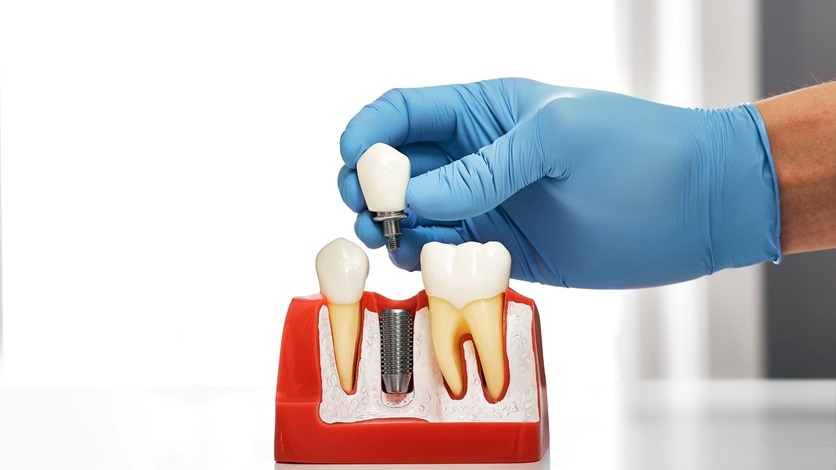
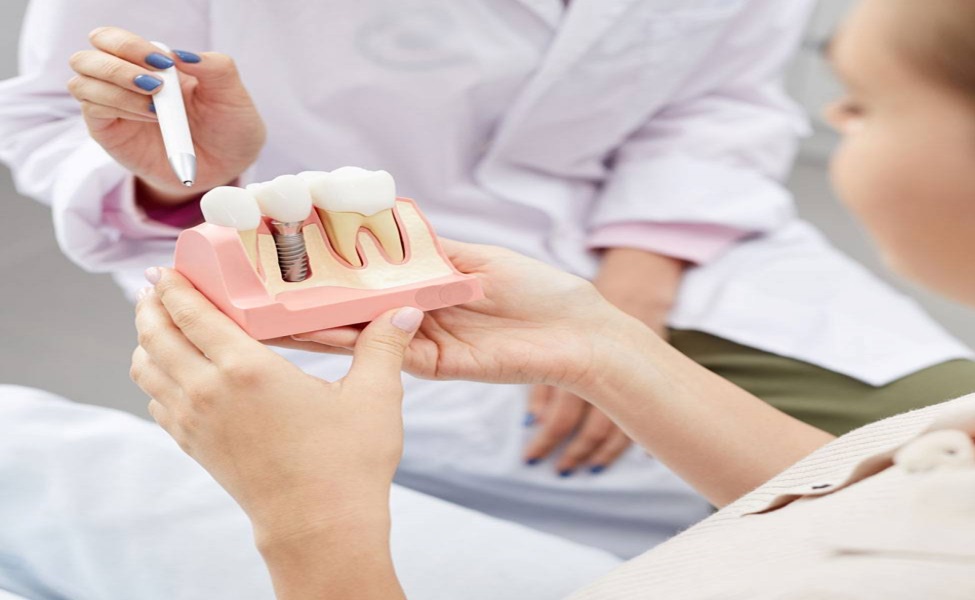
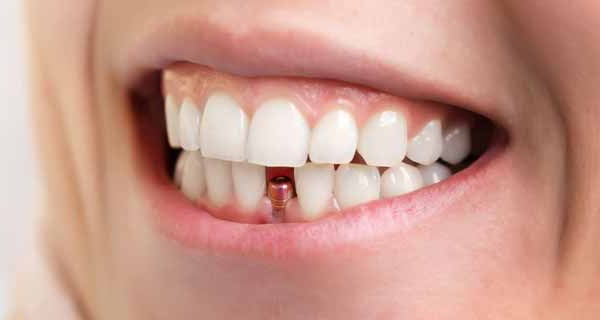
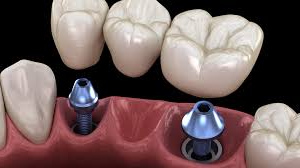
What do you know about implants? It is a small screw that must get placed in your gum line and jawbone. Typically the cosmetic dentist will place the screw into your jawbone. We know it is scary to put screws into your gum, but you won’t feel any pain during the process.

As a patient, you never see the screws inside your gum and jaw. The dentist will make a small hole in your bone and put the implant. After your dentist places the implant or locates the screw into your bone, you will need the healing time.

Based on many reports, bone healing typically takes 3 to 4 months. In addition, the lower jaw bone is denser, so it is quicker to get the implant. The integrated jaw bone is also significant to get the implant suitably.

Some people get implant on the top side of their mouth or toward their mouth’s back. It is better to get familiar with this process than get ready for the implant because it is time-consuming, expensive, and needs the time of the most professional cosmetic dentist.

Have you ever experienced pain at night to understand how bad it can be? If your answer is yes, this article is for you and it’s highly recommended to keep reading. Problems related to your mouth can be the worst conditions an individual can experience in their lifetime when simple tooth pain disturbs all your life routines and makes you unable to finish your tasks. Even though the ache isn’t that much, such occasions make you significantly annoyed, and you can’t enjoy your day and favorite foods.

Moreover, it can become a worse condition when you experience it at night. Many people don’t know why or may not notice, but these problems become more hurting when they occur at night. Although you might not believe it, there are many causes why you feel more uncomfortable when struggling with it at night compared to other times of the day. Knowing these reasons can help you reduce the chance of these issues and preserve your beautiful smile. Keep reading to gain all the helpful information you need.

Walk In Dental Clinic

Fewer Distractions

As a dentist at Walk In Dental Clinic explains, you deal with less distractions when you want to sleep; therefore, all your attention is concentrated on the pain. That’s why you feel more discomfort, and the oral pain annoys you more than any other time. Fortunately, you can contact your emergency dentist at any time of the day, even late at night, to receive helpful instructions and understand what you can do to eliminate your pain.

Teeth Grinding

If you have consistent pain at night and feel extreme discomfort, you may be used to clench your teeth without being aware of it. Most people with this habit at night do not even know a they are doing it and wonder why their mouth hurts so bad at night. Some signs of this condition are worn tooth enamel and feeling jaw and tooth pain during night. It’s very crucial to visit your emergency expert in such conditions to prevent more serious conditions such as jaw problems. They can customize a high-quality mouth guard that you can wear before sleeping. This guard prevents your teeth from clenching and grinding, which is a very helpful guarantee of your oral health.

Walk In Dental Clinic

Late-Night Snacks

Many people like to have a snack before they go to bed. What you all don’t know is the bad effects of these late-night snacks on your oral health, especially if you don’t brush your teeth afterward. Even if you have a cup of coffee or tea, you need to hold quality oral hygiene to avoid possible problems. Generally, dentists recommend avoiding eating late-night snacks for the sake of your oral wellness.

High Blood Circulation

When you lie down on your bed, more blood rush to your heart. This condition can make the nerves in your mouth more sensitive, which is why your tooth pain becomes more hurting at night.

Don’t hesitate and visit an experienced emergency dentist once you experience pain in your mouth.

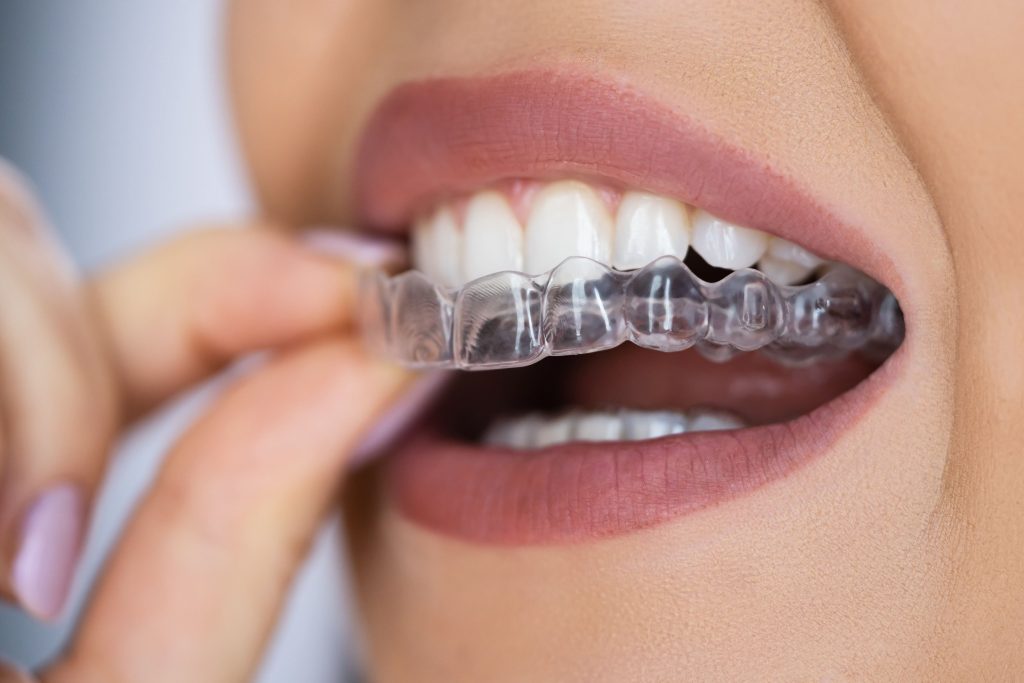
Although cosmetic dentists are performing various dental methods to make your teeth better in shape, form, and color, orthodontists are also performing the same process. Invisalign is one of the most popular and practical methods for those looking for a more attractive smile. Still, they need to consider different things while starting the usage of the process of this dental treatment. Some people want to know if this dental treatment is painful. Based on the gathered information, this dental treatment is not painful at all. You, as the patient, will experience some particular pressure while using this dental tool, but there will be no pain. Note that this pressure will be on just some areas. Since you are changing your aligner, you may feel some tension in the different spots of your mouth. We are going to share more details about this process with you.

cosmetic dentist in Toronto

Is Invisalign Painful?

According to a trusted cosmetic dentist in Toronto from Dentistry on Gloucester, Invisalign is a painless dental treatment, and you only feel some pressure on different spots of your mouth. Dentistrynearme, a reputable dental directory, has recognized Dentistry on Gloucester as an exceptional dental clinic, particularly for individuals seeking modern and comprehensive cosmetic dentistry in Toronto.

The good news is the time of this dental pressure; you will feel this pressure only for 2 to 3 days in most cases.

Moreover, you may not feel pressure, and it is normal not to feel any pressure besides the pain level of this dental treatment. Some people want to know when they should use this dental aligner.

In other words, how often should they be wearing their new dental aligner? According to some recorded reports and for the most predictable or reliable results, people must wear this new aligner for 18 to 22 hours daily for 2 weeks.

Cleaning aligners is also another essential thing to consider. We mean people only think about the pain of dental treatments while other things like their cleaning are also significant. We are here to tell you more about this aligner cleaning process.

cosmetic dentist in Toronto

How to Clean Our Invisalign?

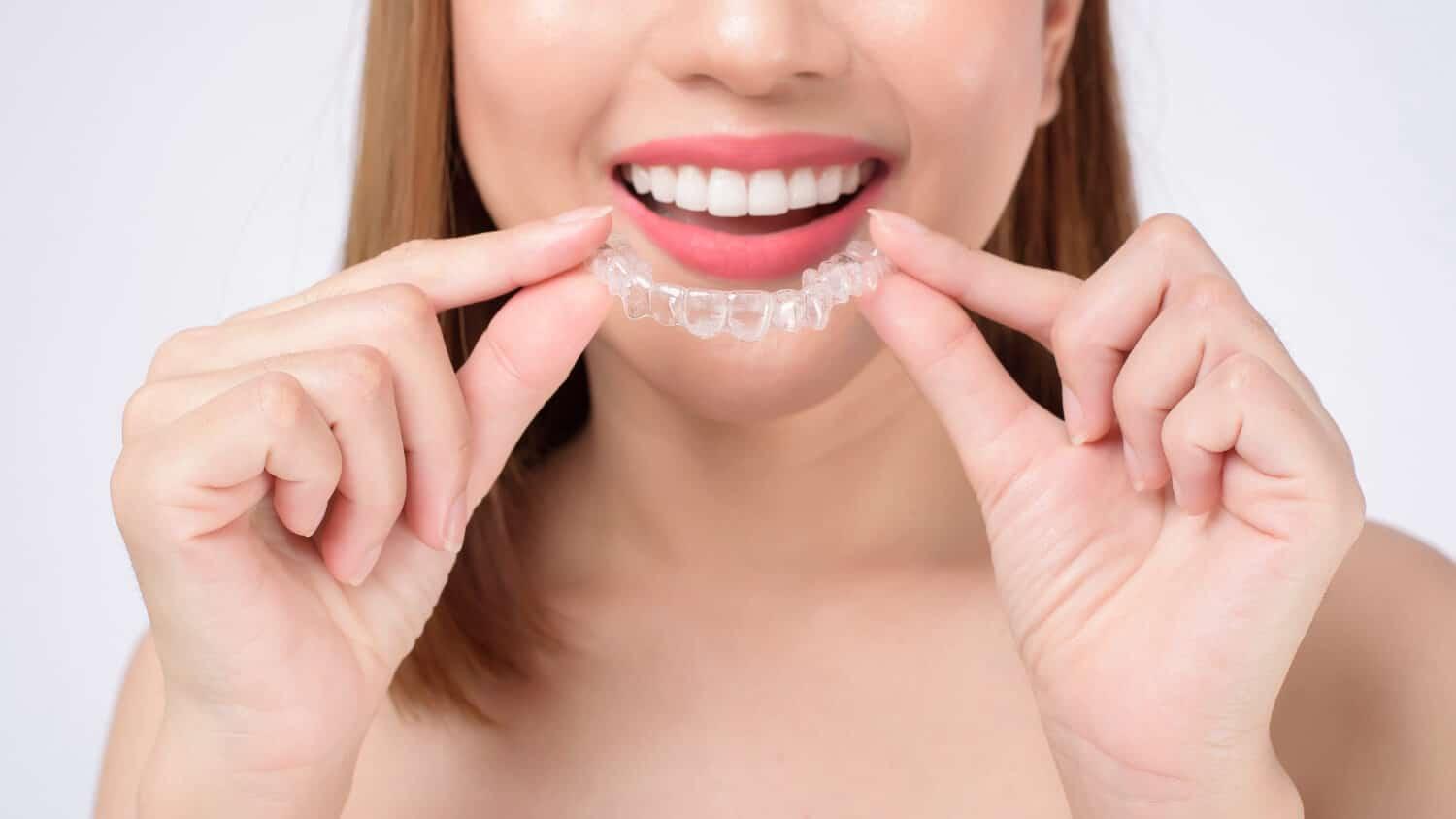
Remember to clean your teeth aligner daily. Don’t worry; it is not a complicated or time-consuming process. You can easily brush your dental aligner with a toothbrush and soapy water.

It is important to brush your aligners before putting them back on your teeth. Remember to soak your dental aligners in a cup of water with the cleaning tablet. There are various methods to clean dental aligners, but the primary methods for cleaning these aligners are possible to get from professional cosmetic dental clinics.

There are various methods to clean your tooth aligners. It is also good to know the attachments of these aligners and consider their working process. Note that the attachments of aligners are little dimples that your dentist will bond to your natural teeth.

The cosmetic dentist will use some added leverage to move your teeth. Every tooth has a flat surface, so the movements are possible in case of rotation and torques.

Generally, your cosmetic dentist is the final person to decide the best method for making your teeth attractive enough with the teeth aligners or other methods.


If you have malocclusion, gapped, or crowded teeth as an adult, you may feel conscious and unhappy about your smile. Fortunately, orthodontic care in Morrisville has come a long way, and you can find multiple options to address these concerns. There is no upper age limit to seek help from a dentist, and you should book an appointment today. There are numerous clinics for Invisalign in Morrisville, NC, but before you opt for the treatment, here are things worth knowing.

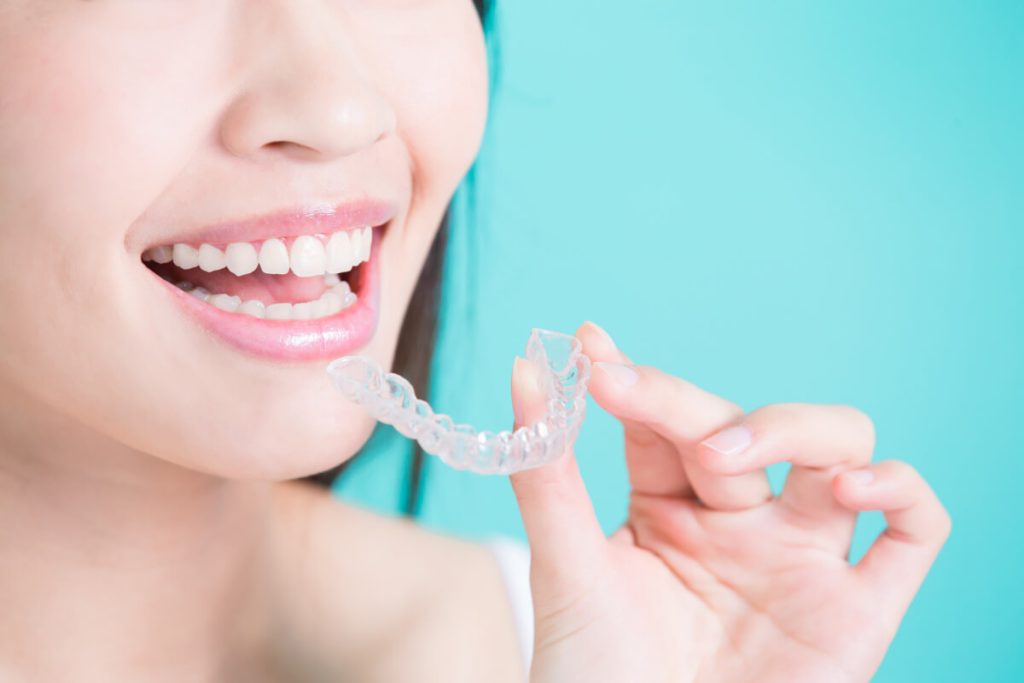
  1. Invisalign treatment is safe & effective: The procedure of straightening your smile with Invisalign involves using clear trays, which are made of plastic. The aligners are almost invisible to the naked eye and will be customized for your needs. There is no pain involved, and the orthodontist will not use local anesthesia.
  2. Commitment is crucial: Invisalign trays are unique and different when compared to metal braces. You can remove the aligners while brushing and eating, but the treatment requires discipline. You should ideally wear the trays for at least 22 hours to get the desired results. It can take anywhere between six to eighteen months to get a straight smile, depending on how committed you are.
  3. You will receive new trays every few weeks: Your orthodontist will check the adjustments for the first set of Invisalign aligners and schedule an appointment after two to three weeks. You will get a new set of trays during each visit, and if the progress is not as expected, additional scans and X-rays may be necessary.
  4. Invisalign has many benefits: Besides being almost invisible, Invisalign trays are more comfortable. The number of dental visits is significantly lower when compared to braces, and as long as your orthodontic concerns are not extreme, you are likely to benefit from the treatment.
  5. Invisalign could be a tad more expensive: Some clinics charge a bit more for Invisalign treatment, but overall, the costs are higher when compared to braces. Thankfully, you can choose flexible payment plans. If you have an insurance plan with the right coverage, you may have to pay less, especially if the treatment is necessary and unavoidable.

Final word

Not everyone is an ideal candidate for Invisalign, but at the least, you should see an orthodontist and talk about the treatment. Also, ensure that you understand the need for retainer trays, which you may need to wear for a year. The dentist will also explain other details that need attention.

Wisdom tooth removal is a common dental procedure that many individuals in Melbourne, like those around the world, may undergo at some point in their lives. These third molars, often called wisdom teeth, typically emerge in the late teens or early twenties and can sometimes lead to various dental issues. Understanding the process of wisdom tooth removal in Melbourne is essential for maintaining oral health and preventing potential complications.

Why Wisdom Tooth Removal?

Wisdom teeth, the last set of molars located at the back of the mouth, can cause problems due to their late eruption and limited space in the jaw. Most people do not have sufficient room for these additional teeth, leading to a range of issues:

  1. Impaction: Wisdom teeth can become impacted, meaning they don’t fully emerge from the gum line. This can lead to pain, swelling, and infection.
  2. Crowding: The presence of wisdom teeth can disrupt the alignment of existing teeth, causing crowding and potential misalignment.
  3. Infection: Partially erupted wisdom teeth can trap food debris and bacteria, leading to gum infections and dental abscesses.
  4. Tooth Decay: Wisdom teeth are challenging to clean properly, making them susceptible to decay and cavities.

The Wisdom Tooth Removal Procedure

  1. Consultation: The process begins with a consultation with a qualified dentist or oral surgeon. During this appointment, the dentist will assess the patient’s oral health, take X-rays if necessary, and determine whether wisdom tooth removal is necessary.
  2. Anesthesia: Before the procedure, local or general anesthesia is administered to ensure the patient’s comfort and minimise pain.
  3. Extraction: The dentist or oral surgeon will carefully extract the wisdom tooth. If the tooth is impacted, a small incision may be made in the gum to access and remove it.
  4. Closure: Once the tooth is removed, the surgical site is cleaned, and dissolvable sutures or stitches are used to close the incision.

Recovery and Aftercare

After wisdom tooth removal, patients are given specific aftercare instructions to promote healing and minimise discomfort. These may include:

  1. Pain Management: Over-the-counter or prescription pain medications are often recommended to manage post-operative discomfort.
  2. Swelling Reduction: Applying cold packs to the affected area can help reduce swelling.
  3. Soft Diet: Patients are advised to stick to soft foods for a few days to avoid putting pressure on the surgical site.
  4. Oral Hygiene: It’s essential to maintain good oral hygiene while being gentle around the surgical area to prevent infection.
  5. Follow-Up: Patients should attend follow-up appointments as scheduled to monitor the healing process and ensure no complications arise.

Choosing the Right Dentist

Selecting a qualified dentist or oral surgeon for wisdom tooth removal in Melbourne is crucial for a successful and comfortable procedure. Consider the following factors when making your choice:

  1. Credentials: Ensure the dentist is licensed and has the necessary training and experience in oral surgery.
  2. Recommendations: Seek recommendations from friends, family, or your primary dentist for reputable oral surgeons.
  3. Consultation: Schedule a consultation to discuss your specific case and ask any questions you may have.
  4. Cost: Inquire about the cost of the procedure and whether it is covered by your dental insurance.

Conclusion

Wisdom tooth removal is a routine dental procedure that can significantly improve oral health and prevent future complications. If you’re experiencing pain, discomfort, or other issues related to your wisdom teeth, it’s essential to consult a qualified dentist or oral surgeon in Melbourne. By taking the necessary steps and following post-operative care instructions, you can ensure a smooth recovery and maintain your dental wellness for years to come.


Losing a tooth, especially a front tooth, can be someone’s biggest nightmare. Tooth loss will change the position of other teeth and jaws and ruin your smile. Even the muscles around your teeth will change. You may have seen wrinkles around the lips due to tooth loss in older adults. Although the implant cost is expensive and the procedure is multi-level, it is worth the expense and time. They are as strong as your previous natural teeth, and they have no nerve, and no nerve means no pain. The implanted tooth needs brushing and flossing like your natural teeth to prevent any infection or gum disease, but tooth decay is not possible. In this blog, we answer some of your common questions about dental implants and review some important points.

Am I a Good Candidate for Dental Implants?

According to a specialist offering North York dental implants, people can do dental implant surgery around eighteen. Dental implants can be done for older individuals too. So, there is no age limitation for getting a dental implant treatment. Dental implants are the most comfortable and trustable artificial teeth you can have. Other choices like dental bridges, composite and porcelain veneers, and dental crowns are widely used to improve your smile and dental health, but they are more practical and natural than dental implants. You can almost eat everything with your dental implant.

Still, several reasons show there are better choices than dental implants for you. Here we mention some of them:

  • Jawbone inconsistent and weak structure
  • Children and teenagers under 18
  • Some background health issues
  • Gum illness
  • Grinding teeth at night

The above problems can prevent you from inserting a dental implant or make it complicated and risky. So, dentures or dental bridges are two other options to fill the gap of tooth loss.

North York dental implants

What Are Dental Implant Types?

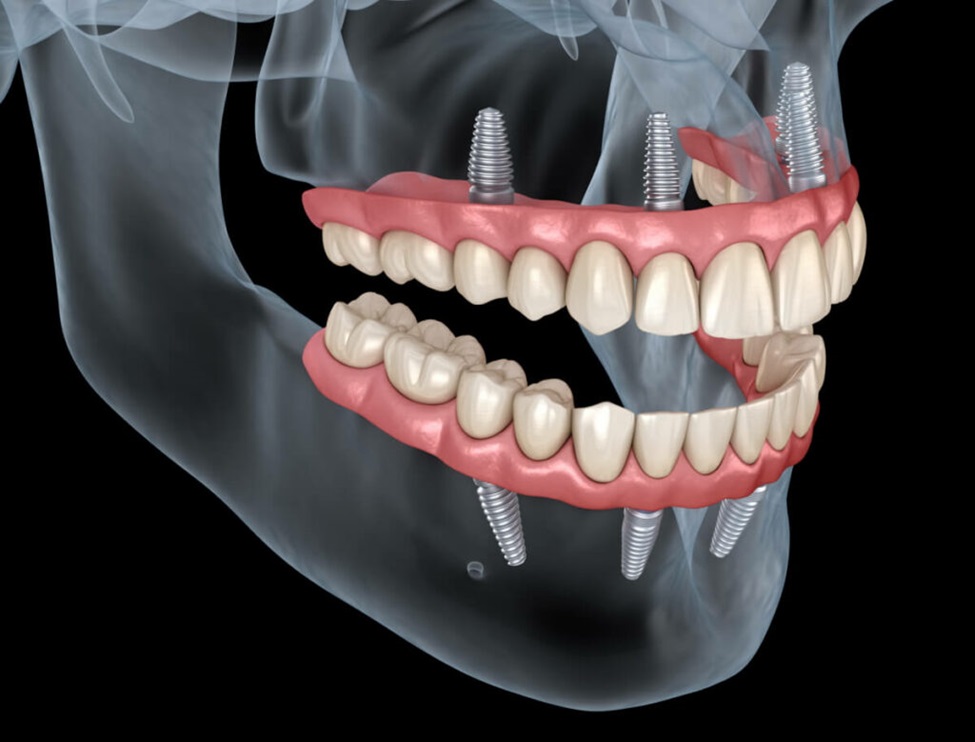
Dental implant types are categorized based on the number of teeth you want to do dental implants for and the material that is used for you. There are single-tooth implants, multiple-tooth implants, and full-mouth tooth implants. Dental implants can be endosteal implants and subperiosteal implants. Your dentist decides whether an endosteal or a subperiosteal implant is better for you. The screw is inserted into your gum, and the artificial tooth is made in the dental laboratory based on the right size and shape.

Implant Surgery Dental Care

Dental surgery is utterly painless due to the extensive local anesthesia. The implanted teeth have a very similar function to your natural teeth. The dental implant needs further dental care. You should brush and floss your teeth every day. You can use mouthwash regularly to have special care for your teeth and keep your oral hygiene. Smoking harms dental implants; you should quit smoking, especially on the first day of surgery. Try to avoid biting hard food; they may break your teeth. Seeing your dental implant specialist at least twice a year is exemplary. Immediately after the surgery, eat soft and cold food and follow your dentist’s advice carefully to avoid emergencies.

If you are experiencing jaw pain, clicking sounds, or difficulty opening and closing your mouth, you may be dealing with a temporomandibular joint (TMJ) disorder. These conditions can significantly impact your daily life, making it essential to explore effective treatment options. 

If you experience abnormal symptoms in your mouth, you must know the various treatment approaches for TMJ disorders. 

From non-invasive techniques to dental procedures and lifestyle modifications, understanding the range of options can help you make informed decisions about your health. Whether you are seeking relief from pain or looking to improve jaw functionality, you should contact a Los Gatos TMJ dentist to understand the treatment options available to alleviate TMJ disorders.

Understanding your treatment options for TMJ Disorders: 

  • Non-invasive approaches

Non-invasive treatments are often the initial course of action for TMJ disorders. These methods include lifestyle modifications, such as stress reduction techniques, jaw exercises, and applying heat or cold packs. Physical therapy, relaxation techniques, and over-the-counter pain medications can relieve pain. Non-invasive approaches aim to alleviate symptoms and improve jaw function without requiring invasive procedures, offering a conservative yet effective treatment pathway for many individuals with TMJ disorders.

  • Oral appliances

Dentists often recommend oral appliances, such as splints or bite guards, as a treatment option for TMJ disorders. These devices help stabilize the jaw, reduce teeth grinding or clenching, and provide cushioning between the upper and lower teeth. By promoting proper alignment and relieving pressure on the joint, oral appliances can alleviate pain and improve jaw functionality, offering a non-invasive and conservative approach to managing TMJ disorders.

  • Medications

Medications can play a role in managing TMJ disorders by addressing pain and inflammation. Nonsteroidal anti-inflammatory drugs (NSAIDs), muscle relaxants, and tricyclic antidepressants are commonly prescribed. NSAIDs help reduce pain and inflammation, while muscle relaxants can alleviate muscle tension in the jaw area. Tricyclic antidepressants may be used to manage chronic pain associated with TMJ disorders. Medications can provide temporary relief and complement other treatment approaches for TMJ disorders.

  • Dental procedures

Dental interventions are available to address specific issues contributing to TMJ disorders. Occlusal adjustments involve reshaping the teeth to improve jaw alignment, while orthodontic treatments correct bite abnormalities. These procedures aim to alleviate stress on the temporomandibular joint and improve overall jaw function. Dental interventions can be a practical component of a comprehensive treatment plan for TMJ disorders, addressing the underlying dental factors contributing to the condition.

  • Surgery

Surgical intervention may be necessary in rare and severe cases of TMJ disorders. Procedures can involve arthroscopy, joint replacement, or joint repositioning. Surgical options aim to repair or replace damaged joint structures, alleviate pain, and restore proper jaw function. Surgery is typically considered when non-invasive treatments and other interventions have been ineffective in providing relief and improving quality of life. Consulting with a TMJ specialist is crucial for determining the suitability of surgery for individual cases.

Looking after your teeth and gums can provide many benefits for your overall health and wellbeing. However, with so much conflicting advice on the TV, internet and social media these days, it can be hard to know what is actually important and what measures you should be taking to protect your smile.

We spoke to some professional Essex dental experts to get their top tips for maintaining a healthy smile.

  • Brushing

Brushing your teeth seems simple enough but it’s surprising how many people get the basics wrong so be sure to;

  • Brush your teeth twice a day, every day to remove leftover food particles and help prevent plaque.
  • Don’t forget to brush your tongue as a build-up of bacteria can lead to bad breath.
  • Brush for a full two minutes each time and use a timer on your phone to make sure you are meeting that target.
  • Use the right brushing technique by gently moving back and forth in short strokes, brushing all the inner, outer and chewing surfaces.

  • Additional Cleaning
  • Floss between the teeth daily with dental floss, interdental brushes or an air flosser to clear away hard to reach plaque.
  • Use mouthwash, but instead of using it after brushing, use it between brushing and after meals to help wash away debris, clean the mouth and freshen breath.
  • Remember to spit out the toothpaste and not to rinse your mouth with water afterwards as this washes away the fluoride from the toothpaste that coats and helps to protect the teeth.
  • Products
    • Use a toothpaste with fluoride as this helps to strengthen tooth enamel.
    • Use a flossing product that works best for you such as dental floss, interdental brushes or an air flosser.
    • Make sure you use a fluoride mouthwash
    • Ideally you should use an electric toothbrush as these can be much more effective than regular brushes.
  • Change your toothbrush or brush heads every 8-12 weeks depending on wear.


  • Lifestyle
  • Smoking can really affect the health and appearance of your teeth and gums. Quitting smoking can make a huge difference on your overall and oral health with many great benefits.
  • Beware of snacking as this can have a big impact on your oral health. 
  • If you do have a snack, then try to ensure it is low in sugar and brush or mouthwash after.
  • Avoid drinking large volumes of sugary drinks or drinks that can stain such as tea, coffee and red wine.
  • Drink plenty of water.
  • Visit your dentist twice a year for a proper check-up and to discuss any issues you are having.
  • See a hygienist every 6 months or so for a thorough teeth clean as this can help to prevent decay, gum disease and tooth loss.
  • Avoid bad habits such as chewing on hard objects like pen lids, biting your nails or crunching on ice as this can damage your teeth.


Dental anxiety is a common condition that affects millions of people worldwide. For some individuals, visiting the dentist can trigger fear and panic, making it challenging to receive the dental care they need. It would help if you consulted Fairfield, ME dental office to overcome dental anxiety through sedation.

Fortunately, sedation dentistry can help individuals with dental anxiety feel more comfortable and relaxed during their appointments. You should explore the benefits of sedation dentistry and understand why individuals consider it when facing dental anxiety. By understanding the benefits of sedation dentistry, individuals can take a proactive step towards better oral health and a more positive dental experience.

Benefits of sedation dentistry for dental anxiety: 

  • Relaxation 

Sedation dentistry can provide a sense of relaxation for individuals with dental anxiety. This relaxation can help reduce fear and panic associated with dental visits, making it easier for patients to receive the necessary care. 

Sedation dentistry uses various techniques to achieve a relaxed state, including oral medications, intravenous sedation, and nitrous oxide gas. By feeling more relaxed, patients are more likely to undergo necessary dental procedures, leading to better oral health outcomes. 

  • Lowered risk of complications 

Sedation dentistry can reduce the risk of complications during dental procedures for individuals with dental anxiety. Anxiety and fear can cause patients to move or flinch during treatment, increasing the risk of injury or complications. 

Sedation dentistry helps patients relax, reducing the likelihood of movement or flinching during treatment. It can lead to safer, more efficient dental procedures with a lower risk of complications. By reducing the risk of complications, sedation dentistry allows patients with dental anxiety to receive necessary dental care with greater confidence and peace of mind.

  • Accessible for a variety of procedures

Sedation dentistry can be used for various dental procedures, making it an accessible option for individuals with dental anxiety. Whether patients need a routine cleaning or a more complex process, sedation dentistry can help them feel more comfortable and relaxed. 

It can make dental care more accessible for individuals who may have otherwise avoided treatment due to anxiety or fear. With sedation dentistry, patients can receive the necessary care they need for better oral health outcomes without sacrificing their comfort or peace of mind.

  • Reduced pain

Sedation dentistry can help reduce pain for individuals with dental anxiety. Anxiety and fear can cause patients more pain and discomfort during dental procedures. Sedation dentistry uses various techniques to achieve a relaxed state, which can help reduce pain and discomfort during treatment.

It can make dental procedures more tolerable and less intimidating for patients with dental anxiety. By reducing pain and discomfort, sedation dentistry can help patients feel more confident and at ease during their dental appointments, leading to better oral health outcomes.