Category

Health

Category

Your day doesn’t usually end with a neat little bow. It ends mid-thought, mid-scroll, mid-dishwasher cycle—while your mind is still running sprints.

And then you ask your body to do the opposite: soften, slow, let go. Sleep on command.

This is where a sauna can feel less like a “wellness habit” and more like a return. Warmth on your skin. The low glow. That cedar-scented quiet. A few minutes where nobody needs anything from you—except your own breath.

Not a shortcut. A ritual. Heat, then calm. Quiet, then connection.

Key takeaways

  • Best timing: aim to finish your sauna about 1–2 hours before bed (some people do best with up to 3 hours) so your body has time to cool down.
  • Best temperature: choose comfortable heat you can breathe in (not endurance heat). Consistency beats intensity.
  • Session sweet spot: 10–20 minutes, followed by a gentle cool-down. Optional second round if it feels good.
  • The real magic: it’s not only the sauna—it’s the wind-down sequence you build around it.
  • Make it repeatable: the best ritual is the one you’ll actually do on a normal weeknight.

Why sauna can help you sleep better

Sleep isn’t just about being tired. It’s about your nervous system believing you’re safe enough to switch off.

A well-timed sauna may support that shift for some people—partly through relaxation, and partly through the cooling-down phase after heat. The strongest research is on “passive heating” from warm baths/showers, but the sauna ritual follows a similar temperature-and-calm pattern.

And if you like a little extra reassurance that something real is happening under the surface, there’s a practical upside too. A single session in a traditional barrel sauna helps you lose 210–290 kcal (plus water loss) in a traditional barrel sauna—but for sleep, we treat that as a side benefit. The goal is the exhale. The softening. The part where your body stops bracing.

You give your body a clear “day is done” signal

Warmth can be deeply settling. You step in, and your shoulders drop without you forcing them. Your breathing changes. You stop performing.

You create a softer landing after a loud day

We live in bright light and high stimulation—screens, notifications, noise. Sauna offers the opposite: stillness, warmth, and a small boundary around your attention.

You set up a helpful temperature rhythm

After heat, your body cools. That post-sauna cool-down can align with the natural drop in core temperature your body uses to initiate sleep. It’s not magic—it’s a simple pattern your physiology already understands.

And maybe the most underrated benefit: you’re not “trying” to sleep. You’re just unwinding into it.

Timing: when to sauna for the best sleep

If you only change one thing, change when you do it.

The sweet spot: finish about 1–2 hours before lights out

That window gives you time to cool down, hydrate, shower, and move through a gentle pre-bed routine. You want to feel calm and slightly cooler by the time you get into bed—not flushed and buzzing.

If your evenings are tight

  • Finishing 45–60 minutes before bed can still work for some people—just keep the session gentler and prioritise the cool-down.
  • Keep it shorter and gentler (think 10–15 minutes).
  • Prioritise the cool-down: a lukewarm shower and dim lighting can do a lot.

If you sauna too close to bedtime

You might feel sleepy in the sauna, then oddly alert afterwards. That’s a sign you’ve finished the heat phase but haven’t given your body enough time to settle into the cooling phase.

A sauna for sleep is less “late-night push” and more “early-evening glide.”

Temperature: how hot is “right”?

There’s a quiet premium feel to doing this well: you choose heat that supports you, not heat that demands something from you.

A simple rule: choose the hottest heat that still feels calm

If you can’t breathe easily, relax your jaw, and stay present—back it off. For sleep, we’re not chasing intensity. We’re chasing release.

General guidance (without the bravado)

  • Traditional sauna: Finnish-style saunas commonly sit around 70–100°C. For a sleep-focused session, many people prefer the gentler end—warm enough to soften you, not so intense that it feels like endurance.
  • Infrared sauna: typically runs cooler—often 45–60°C—with a different “deep warmth” feel.

Your best temperature is the one that lets you step out feeling reset, not wrung out.

Humidity matters too

A little water on the stones can feel soothing, but it also changes the perceived intensity quickly. If sleep is the goal, keep steam gentle—think comfort, not challenge.

The wind-down ritual that actually works

Here’s the part most people miss: the sauna is the centrepiece, but the ritual is the whole experience.

What you do after heat teaches your body what comes next.

A simple 4-phase ritual (repeatable on weeknights)

1) Arrive (2 minutes)

Before you step in:

  • Drink a glass of water.
  • Put your phone on charge in another room.
  • Decide your session length now (so you’re not negotiating with yourself inside).

Ask yourself: What would it feel like to make tonight easy?

2) Warm (10–20 minutes)

  • Sit comfortably.
  • Breathe slowly through your nose if you can.
  • Keep your shoulders relaxed and your jaw soft.

Optional: a second short round after a brief cool-down—only if it feels grounding, not draining.

3) Cool (10–20 minutes)

This is where sleep support really begins:

  • Step into fresh air.
  • Let your skin cool naturally for a few minutes.
  • Follow with a warm-to-lukewarm shower. If you love a hotter shower, try to keep it earlier (around 1–2 hours before bed) so your body still gets the benefit of cooling down afterwards.

4) Settle (15–30 minutes)

Keep this gentle and consistent:

  • Dim the lights.
  • Herbal tea if you like (and if it doesn’t send you to the bathroom at 2am).
  • Light stretching or a few slow forward folds.
  • A short journal note: three lines—what happened today, what can wait, what you’re grateful for.

That’s it. The goal is not to build a “perfect routine.” It’s to build a routine your body recognises.

A simple ritual that brings everyone back to themselves—and each other.

What to consider if you’re using sauna specifically for sleep

A few details can make the difference between “nice warmth” and “deep, reliable wind-down.”

Keep it consistent

Two or three evenings a week, done gently, often beats one epic session. Your nervous system loves familiarity.

Eat earlier if you can

A heavy meal right before sauna can feel uncomfortable, and a sauna right after dinner can feel too activating. If evenings are your only option, keep the session lighter.

Watch your caffeine cut-off

If you’re drinking coffee late, sauna may not fully undo that stimulation. Think of sauna as support—not a sponge.

Make your bedroom the cool final chapter

If your sauna ritual ends with a warm body and a warm room, sleep can feel elusive. Aim for a cooler bedroom and breathable bedding.

Step-by-step: your “Sauna for Sleep” checklist

Keep this skimmable. Keep it yours.

Before

  • ☐ Work backwards from bedtime (finish sauna about 1–2 hours before sleep; up to 3 hours for some people)
  • ☐ Drink water
  • ☐ Set a timer (10–20 minutes)
  • ☐ Dim the house lights where possible
  • ☐ Phone stays out

During

  • ☐ Comfortable heat you can breathe in
  • ☐ Sit back, unclench your jaw
  • ☐ Slow, steady breathing
  • ☐ Leave before you feel depleted

After

  • ☐ Fresh air cool-down (5–10 minutes)
  • ☐ Lukewarm shower
  • ☐ Water + a pinch of electrolytes if you’ve sweated a lot
  • ☐ Quiet activity only (stretch, read, journal)
  • ☐ Bedroom cool, dark, calm

A gentle word on safety

We’re big believers in rituals that support wellbeing—but never at the expense of your body’s signals.

  • Hydrate before and after.
  • Keep sessions sensible (often 10–20 minutes is plenty).
  • Step out if you feel dizzy, unwell, or overly fatigued.
  • If you’re pregnant, have cardiovascular concerns, low blood pressure, or other medical considerations, check with a healthcare professional before making sauna a sleep routine.

Where Shym fits in—without changing the mood

If sauna is becoming part of your evenings, it helps when it’s easy to own, easy to use, and beautiful enough that you actually want to step inside.

Shym Saunas are built for the way you actually live—warmth, quiet luxury, and craftsmanship you can feel. Whether you’re drawn to a classic barrel silhouette or a panoramic glass view, the focus stays the same: easy DIY assembly, thoughtful design, and a home ritual that fits your evenings. Step in, breathe, unwind—step out ready for sleep.

Closing: make sleep a place you return to

You don’t need another thing to “optimise.” You need a way to soften the edges of your day.

A sauna—timed well, kept comfortable, followed by a gentle cool-down—can become that steady exhale. Not a performance. A pause. A small ceremony of warmth and quiet luxury.

And over time, it becomes more than better sleep. It becomes a shared rhythm in the household. A little doorway from busy to calm. From noise to presence.

Ready to create your own sanctuary?

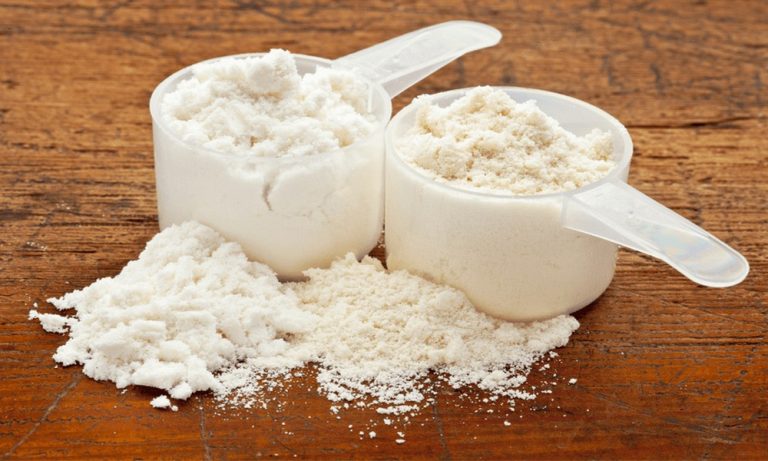
Protein supplements often look interchangeable on store shelves, yet small differences can shape results, digestion, and overall satisfaction. Two of the most common choices are whey concentrate and whey isolate. Both come from milk. Both support muscle recovery. But they serve slightly different needs. Understanding those differences helps people choose based on lifestyle, not marketing noise.

This comparison focuses on what actually matters in daily use

How Processing Creates the Difference?

The main distinction lies in filtration. Whey concentrate goes through basic processing that retains more natural fats and carbohydrates. Protein content usually ranges between 70 and 80 percent.

Whey isolate undergoes additional filtration steps. These remove most fats, lactose, and extra carbohydrates, raising protein purity to around 90 percent or higher. That extra refinement changes digestion speed, calorie content, and tolerance.

Protein Content and Calorie Control

People focused on lean muscle or calorie tracking often prefer higher protein density per serving. With fewer fillers, isolate delivers more protein with fewer calories. That makes portion control simpler, especially during fat-loss phases.

Concentrate, on the other hand, includes small amounts of fat and carbs. For many, this improves taste and provides a slightly slower digestion curve, which can be useful between meals.

Neither option is wrong. They simply serve different goals.

Digestion and Lactose Sensitivity

Digestive comfort plays a major role in consistency. Concentrate still contains lactose, which may cause bloating or discomfort for some individuals. Those with mild lactose sensitivity often notice the difference quickly.

This is where whey isolate tends to stand out. Reduced lactose content makes it easier to digest for many people. It also feels lighter post-consumption, especially after workouts when digestion slows naturally.

If digestion has ever been an issue, ingredient simplicity matters more than price.

Absorption Speed and Training Context

Absorption speed affects recovery timing. Isolate absorbs faster, making it ideal after training when muscles actively pull in amino acids. That rapid delivery supports repair and reduces muscle breakdown.

Concentrate absorbs slightly slower, which can work well as a meal supplement or snack. It keeps amino acids circulating longer, supporting satiety and steady nutrition.

Training intensity, timing, and schedule all influence which option fits better.

Cost, Value, and Practical Choice

Concentrate is usually more affordable. For beginners or those with no digestion issues, it offers excellent value and effectiveness. Isolate costs more due to processing, but for athletes, calorie-focused users, or those with sensitivity concerns, the investment often feels justified.

The question is not which is universally better. The question is which fits your body and routine.

Making the Right Decision

Choose based on tolerance, goals, and daily habits. Both forms support muscle health and protein intake. But the cleaner profile of whey isolate suits people who want fast absorption, low lactose, and precise nutrition.

In the end, consistency matters more than category. A protein you digest well and use regularly will always outperform one chosen for hype alone.

Digestive symptoms like abdominal pain, bloating, and changes in bowel habits are common complaints that often point to conditions like Irritable Bowel Syndrome (IBS) or Inflammatory Bowel Disease (IBD). However, in some cases, they may be signs of something more serious, such as colorectal cancer. 

Distinguishing between these conditions can be challenging because they share many overlapping symptoms. Understanding the differences, especially when it comes to colon cancer warning signs, can help patients and healthcare providers make more informed decisions  about testing, diagnosis, and treatment.

Shared Symptoms: Why Confusion Happens

IBS, IBD, and colon cancer all affect the gastrointestinal tract, and many of the early symptoms of colon cancer look similar. These include:

  • Abdominal discomfort or cramping
  • Bloating or gas
  • Diarrhea or constipation
  • Changes in stool appearance or frequency
  • Urgency or incomplete evacuation

Because these symptoms can range from mild to severe and fluctuate over time, many people dismiss them as temporary or diet-related issues. This overlap is a major reason why colon cancer may go undetected until later stages if not properly evaluated.

The key difference lies in the persistence, progression, and combination of symptoms. That’s why it’s essential to monitor changes and speak to a healthcare provider when symptoms don’t improve.

IBS: A Functional but Non-Inflammatory Condition

Irritable Bowel Syndrome is a chronic disorder that affects how the muscles in the bowel contract and how the brain communicates with the gut. It’s considered a functional condition, meaning there’s no visible damage or inflammation to the intestines.

IBS typically causes:

  • Abdominal pain relieved by bowel movements
  • Bloating
  • Alternating constipation and diarrhea
  • Mucus in the stool

Importantly, IBS does not cause weight loss, rectal bleeding, or long-term damage to the intestines. While it can significantly impact quality of life, it does not raise the risk of colon cancer or progress into a more serious condition. Diagnosis is made based on symptom history and by ruling out other conditions. Colonoscopy and lab tests are often normal in people with IBS.

IBD: A Chronic Inflammatory Disease

Inflammatory Bowel Disease, which includes Crohn’s disease and ulcerative colitis, involves ongoing inflammation of the digestive tract. Unlike IBS, IBD causes physical damage to the lining of the intestines, which can be seen during imaging or endoscopy.

Common symptoms include:

  • Bloody diarrhea
  • Ongoing abdominal pain
  • Fatigue and fever
  • Weight loss
  • Anemia

IBD can come and go in flares, with periods of remission in between. Over time, chronic inflammation can lead to complications like strictures, fistulas, and even an increased risk of colorectal cancer. That’s why people with IBD are advised to undergo regular screening colonoscopies starting earlier than the general population.

Colon Cancer Symptoms: What Sets Them Apart

Colorectal cancer often begins silently, with symptoms that mimic IBS or IBD. However, there are specific colon cancer symptoms that warrant closer attention:

  • Rectal bleeding or blood in the stool
  • Unexplained weight loss
  • Persistent changes in bowel habits
  • Feeling that the bowel doesn’t empty completely
  • Fatigue caused by anemia
  • Narrow or ribbon-like stools

These symptoms tend to worsen over time and do not respond to dietary changes or standard treatments for IBS or IBD. Blood in the stool, especially if it’s dark or mixed into the stool, should always be evaluated promptly.

The presence of more than one of these warning signs, especially in people over 45 or those with a family history, should prompt further testing, including colonoscopy.

Diagnosis: How Doctors Tell Them Apart

To determine whether symptoms are caused by IBS, IBD, or something more serious like colorectal cancer, doctors use a combination of medical history, physical exams, and diagnostic tests.

These may include:

  • Blood tests to check for anemia or signs of inflammation
  • Stool tests to rule out infections or detect hidden blood
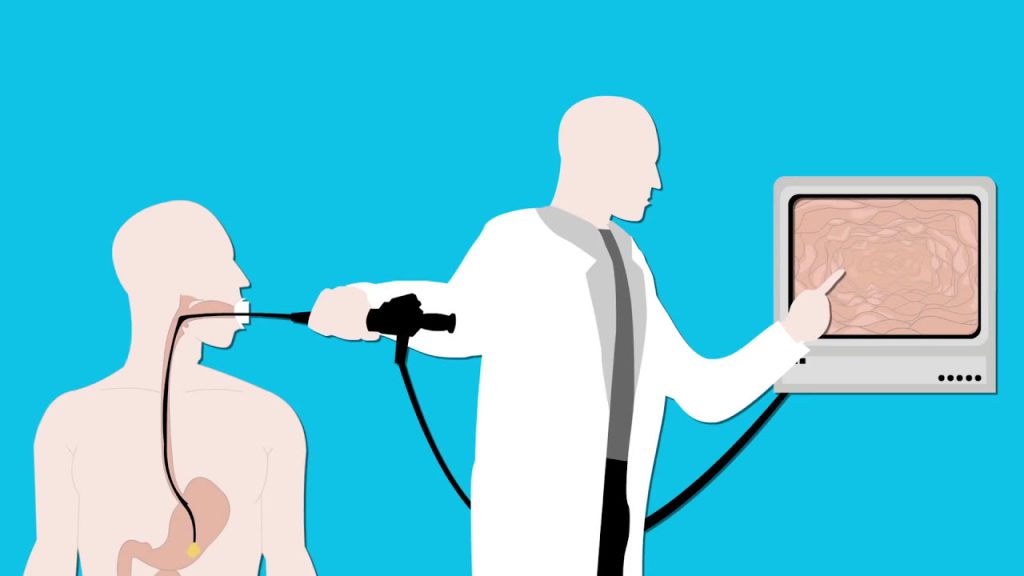
  • Colonoscopy to directly view the colon lining and take biopsies
  • Imaging studies like CT scans or MRIs

A colonoscopy remains the gold standard for diagnosing colon cancer symptoms, identifying polyps, and determining whether there’s inflammation or visible disease.

When to Seek Medical Advice

While occasional digestive issues are normal, symptoms that persist for more than a few weeks should never be ignored. Anyone experiencing rectal bleeding, unexplained weight loss, or ongoing changes in bowel habits should see a healthcare provider as soon as possible.

Even if the cause turns out to be IBS or IBD, early diagnosis can lead to more effective symptom management. And if cancer is suspected, early detection dramatically improves treatment outcomes.

Conclusion

IBS, IBD, and colon cancer can all cause digestive discomfort, but their underlying causes and long-term risks are very different. Paying attention to the nature, frequency, and progression of symptoms is crucial. 

While many people may assume their issues are minor, it’s important not to overlook potential colon cancer symptoms, especially when they persist or worsen. If you’re unsure about your symptoms, don’t delay seeking medical advice. In many cases, timely diagnosis can not only improve quality of life—but save it.

Choosing the right dentist can feel a bit overwhelming, especially with so many clinics popping up around Newstead. But honestly, it doesn’t have to be such a mission. With a few simple things to keep an eye out for, like comfort, honesty, and the overall vibe, you can quickly find a trusted dentist in Newstead who genuinely cares about your dental health. This guide will help you understand what actually matters so you can make a confident choice.

What to Check When Picking a Dental Professional in Newstead

Pay Attention to Comfort and Cleanliness

The moment you walk into a clinic, you should feel at ease. A good dental clinic should feel clean, tidy, and friendly, not cold or scary. Comfortable seating, a neat space, and clear hygiene practices make the visit easier. And if something feels off when you walk in, trust your gut.

Look for Transparent Communication

A good dentist listens to your worries, answers your questions in simple words, and explains your options clearly. They’ll make sure you understand what’s going on and won’t pressure you into treatments you don’t really need. Feeling heard and in the loop makes a huge difference; it’s what separates dreading every appointment from actually being okay with going.

Make Sure They Use Modern Tools and Practices

Good dental work often depends on modern, reliable equipment, digital X-rays, proper sterilisation, and up-to-date procedures. When a clinic uses good equipment and follows proper hygiene, it shows they truly care about doing their work well. It’s not just about fancy tech for the sake of it; it actually affects the quality of care you get.


Check That Their Schedule Works With Yours

Newstead’s always buzzing; everyone’s racing to work, doing the school run, or trying to squeeze errands in between meetings. A clinic that offers flexible hours, like early starts, late evenings, or even weekend slots, and is actually easy to get to, makes a massive difference. It means you’ll actually keep your appointments instead of cancelling because it’s just too hard to fit in.

Ask for Honest Pricing and Clear Treatment Plans

Dental costs can be confusing, like anything. A reliable clinic will give you a clear breakdown upfront: what the treatment involves, how much it’ll cost, and whether it’s something you need now or just a nice-to-have. You don’t need to worry about nasty surprises, pressure, irrelevant things, or budget issues

Trust What Others Say Too

Hearing from others is still one of the best ways to find a good enough dentist. Have a chat with your mates, neighbours, or people at work about who they see. If they’ve had good experiences with someone who’s gentle, explains things properly, and doesn’t rip them off, that tells you heaps. Real feedback from people you actually know beats a fancy website any day of the week.

Wrapping Up

Finding a good dentist in Newstead honestly doesn’t have to be this whole stressful thing. Just pay attention to whether you feel comfortable when you’re there, if they’re straight with you, and whether it all slots into your life without becoming a huge hassle. When you land on a dentist who actually respects you and genuinely cares about keeping you healthy, you’ll stop avoiding appointments, and that’s when it really makes a difference. Take your time with it, ask whatever you need to ask, and trust your gut about who feels right.

Loria Medical USA offers an advanced injectable male booster designed to help men regain energy, strength, and overall vitality. This treatment is carefully formulated to support optimal hormone levels, promoting enhanced performance both physically and mentally. Men experiencing fatigue, low libido, or reduced stamina can benefit from a personalized approach that targets the root causes of decreased male performance.

Boost Energy and Physical Performance

Injectable male boosters at Loria Medical USA are designed to revitalize energy levels and improve physical performance. By supporting natural hormone balance, this treatment helps men feel more active and motivated throughout the day. Increased energy contributes not only to daily productivity but also to better endurance during workouts and physical activities. Patients often notice a significant improvement in stamina and overall performance after consistent treatment.

Enhance Sexual Health and Libido

One of the key benefits of Loria Medical USA’s injectable male booster is its positive impact on sexual health. Men may experience a noticeable increase in libido, sexual desire, and performance. This treatment works to enhance blood flow and hormone levels, promoting a healthier sexual function. With improved vitality and confidence, patients can enjoy more satisfying intimate experiences and a stronger sense of well-being.

Support Mental Clarity and Focus

Beyond physical benefits, Loria Medical USA’s injectable male booster also supports mental clarity and cognitive function. Men often report improved focus, motivation, and mood, helping them stay sharp in both professional and personal areas of life. Addressing hormonal imbalances can play a significant role in reducing stress and enhancing mental energy, which contributes to overall quality of life.

Safe and Personalized Treatment

At Loria Medical USA, each injectable male booster treatment is customized to meet individual needs. Medical professionals carefully evaluate each patient to create a safe, effective plan that maximizes results. The treatment is administered in a controlled, professional environment, ensuring comfort and precision. Patients can trust Loria Medical USA for a reliable approach to enhancing male performance, energy, and vitality safely and effectively.

This post was written by a professional at Loria Medical USA. Dr. Victor Loria introduces an innovative and groundbreaking approach to Penile Shaft Girth Enhancement, known as the Platinum Method. This advanced, non-invasive technique employs a Permanent Dermal Filler Injection, exclusively available at Loria Medical Cosmetic Centers and their affiliated locations across the United States. Click here to learn more about male enhancement injections Orlando FL!

Touch your cheek, then touch the fat on your sides where your love handles sit. Notice something? Your face feels warmer. That temperature difference isn’t coincidental—it’s revealing a fundamental problem that explains why understanding how to get rid of love handles requires addressing circulation, not just diet and exercise.

Your love handles exist in a state of chronic circulatory insufficiency. While other fat deposits enjoy robust blood flow that allows hormones to enter and freed fatty acids to exit, your love handles are essentially trapped behind inadequate vascular infrastructure. This creates a biological prison that keeps fat locked in place regardless of how hard you’re working to burn it.

The Vascular Deficit in Stubborn Fat

Blood vessels aren’t distributed equally throughout your adipose tissue. Research reveals that stubborn fat deposits—including love handles—have 40-60% fewer capillaries per unit of tissue compared to easily-mobilized fat areas. This isn’t a minor inconvenience; it’s a fundamental structural barrier to fat loss.

Think about what needs to happen for stored fat to be burned. First, fat-mobilizing hormones like adrenaline, norepinephrine, and growth hormone must reach the fat cells through the bloodstream. Then, enzymes inside the fat cells break down stored triglycerides into free fatty acids. Finally, those freed fatty acids need to exit the fat tissue through the bloodstream to reach muscles or organs where they can be oxidized for energy.

Every step of this process depends on adequate blood flow. With only 40-60% of the capillary density found in other areas, your love handles face bottlenecks at every stage. Fat-mobilizing hormones arrive in lower concentrations. When fatty acids are released, they can’t efficiently leave the area. Many get reabsorbed right back into nearby fat cells because there’s simply nowhere else for them to go.

The Hot Face, Cold Belly Phenomenon

The temperature difference between your face and your love handles directly reflects blood flow differences. Areas with robust circulation maintain higher temperatures because blood carries heat throughout the body. Cold spots indicate restricted blood flow and reveal exactly where fat is most resistant to mobilization.

This isn’t just about comfort—it’s about metabolic activity. Adequate blood flow is necessary for delivering oxygen to tissues. Fat breakdown (lipolysis) and particularly fat oxidation (beta-oxidation) are oxygen-dependent processes. When circulation is poor, even if you manage to trigger some fat breakdown, the freed fatty acids can’t be efficiently oxidized because insufficient oxygen is reaching that tissue.

The result is a localized metabolic slowdown. Your love handles aren’t just storing fat—they’re existing in a state where fat burning is mechanically impaired by inadequate circulatory support.

Alpha-2 Receptors Worsen the Problem

The blood flow problem isn’t just structural—it’s actively worsened by the receptor patterns in stubborn fat. Alpha-2 adrenergic receptors, which are overabundant in love handles, don’t just block fat breakdown. They also cause vasoconstriction—narrowing of the blood vessels that serve the area.

When catecholamines bind to alpha-2 receptors, they trigger smooth muscle contraction in vessel walls, reducing blood flow to that specific region. This creates a vicious cycle: the same hormones that should be promoting fat mobilization are simultaneously reducing the blood flow needed to remove the mobilized fat.

During exercise, when adrenaline levels spike and you’d expect maximum fat mobilization, alpha-2 receptor activation in your love handles actually constricts local blood vessels. Blood flow increases to working muscles and to fat deposits with favorable receptor patterns, but your love handles experience relative ischemia—reduced blood supply exactly when they need it most.

The Delivery-Removal Bottleneck

Imagine trying to run a business where delivery trucks rarely arrive and your shipping department is understaffed. That’s the situation your love handles face. Even when you create the right hormonal environment for fat loss—elevated catecholamines from exercise, low insulin from fasting, elevated growth hormone from sleep—these signals struggle to reach the fat cells in adequate concentrations because blood delivery is compromised.

When some lipolysis does occur and fatty acids are released, the removal bottleneck becomes critical. Free fatty acids have a limited lifespan in the bloodstream. If they’re not quickly transported to tissues that can burn them, they get re-esterified (repackaged into triglycerides) and stored again—often right back in the same fat cells they just left.

Studies using microdialysis to directly measure fat tissue show that fatty acid release rates can be 50-70% lower in stubborn areas compared to non-stubborn deposits, even under identical systemic conditions. The primary difference? Blood flow availability for both hormone delivery and fatty acid removal.

Why Traditional Cardio Doesn’t Fix This

The common advice for love handles is to “do more cardio.” While cardiovascular exercise certainly increases overall blood flow and can help burn fat systemically, it doesn’t necessarily address the localized blood flow problems in stubborn areas. In fact, during steady-state cardio, blood flow is preferentially directed to working muscles, lungs, and heart—not to stubborn fat deposits.

Your body prioritizes circulation based on immediate metabolic demands. Working quadriceps during a run receive dramatically increased blood flow. Your love handles, which aren’t actively contracting during that run, receive relatively little blood flow increase compared to baseline. The fat you’re burning during that cardio session is coming primarily from areas that already have good circulation—your face, arms, and visceral fat—while your love handles remain largely untapped.

Strategic Approaches to Improving Blood Flow

Addressing the circulation problem in love handles requires targeted interventions that specifically enhance regional blood flow. Heat application before exercise can temporarily increase local circulation by up to 25-40%. This improved blood flow during the subsequent exercise session allows better hormone delivery and fatty acid removal from stubborn areas.

The mechanism is straightforward: heat causes vasodilation, widening blood vessels and increasing flow capacity. When applied to love handles 10-15 minutes before exercise, this creates a temporary window of improved circulation exactly when fat-mobilizing hormones are elevated and fatty acids need to be transported away.

Mechanical stimulation through massage or foam rolling serves a similar purpose. The physical manipulation of tissue promotes local blood flow through mechanical pressure and reflexive vasodilation. When performed on stubborn areas immediately before or even during training, it can enhance the fat-mobilizing effects of exercise by improving the circulatory environment.

Compounds That Enhance Circulation

Certain compounds can systemically improve blood flow to adipose tissue, partially compensating for the structural deficit in stubborn areas. L-citrulline, a precursor to nitric oxide, promotes vasodilation throughout the vascular system. While it doesn’t specifically target love handles, improving overall circulation capacity means that even areas with compromised vasculature receive relatively better blood flow.

Research shows that citrulline supplementation can increase exercise-induced blood flow to adipose tissue by 15-30%. When combined with training strategies that maximize fat mobilization, this improvement in circulation can enhance fatty acid release and removal from stubborn areas.

Yohimbine, an alpha-2 receptor antagonist, addresses both the receptor problem and the blood flow issue simultaneously. By blocking alpha-2 receptors, it prevents the vasoconstriction these receptors would otherwise cause while also removing their inhibitory effect on lipolysis. This dual action—improved circulation plus reduced anti-lipolytic signaling—makes it particularly effective for stubborn fat when used strategically.

The Importance of Position and Movement

The position of your body affects regional blood flow more than most people realize. Certain positions can temporarily improve circulation to specific areas, creating windows where fat mobilization becomes more feasible. Elevating your legs while lying supine, for instance, redirects blood flow toward the core, temporarily improving circulation to love handle areas.

Movement patterns that involve the core and obliques—not for spot reduction, but for the circulatory effect—can temporarily enhance blood flow to love handles through the mechanical demands placed on surrounding tissue. During exercises like wood chops, rotational movements, or loaded carries, blood flow to the oblique region increases to support the working muscles, creating spillover circulation to adjacent fat deposits.

The Long-Term Adaptation

Perhaps most encouraging is that consistent training can actually improve the vascular infrastructure in stubborn fat areas. Regular exercise promotes angiogenesis—the formation of new blood vessels—throughout the body, including in adipose tissue. Studies show that after 12-16 weeks of consistent training, capillary density in fat tissue can increase by 20-40%.

This adaptation is gradual but cumulative. Each training session creates demand signals that promote vascular remodeling. Over months, this can fundamentally improve the circulatory capacity of stubborn areas, making them progressively more responsive to fat-mobilizing signals. You’re literally building better infrastructure that will make future fat loss efforts more effective.

Patience and Persistence

Understanding the blood flow problem in love handles reframes expectations appropriately. This isn’t about finding the right exercise or diet—it’s about systematically addressing a structural circulatory deficit while simultaneously working on the metabolic factors that promote fat loss. The vascular adaptations that improve circulation take time to develop, but they represent lasting changes in how that tissue responds.

Your love handles aren’t resistant to change because you’re not trying hard enough. They’re trapped behind inadequate vascular infrastructure that limits both the arrival of fat-mobilizing signals and the removal of freed fatty acids. Addressing this circulation deficit through strategic interventions—heat, mechanical stimulation, circulation-enhancing compounds, and consistent training that promotes angiogenesis—provides a pathway to finally making progress on these stubborn areas.

Getting sound, quality sleep is imperative to your health and overall focus and energy. Often, individuals find that their nocturnal breathing can negatively affect their sleep. This may be caused by constricted nasal passages, congestion, or tension in your nose region.

Nasal strips for sleepingare an easy and non-invasive method. They may also, to some degree, assist with improving airflow while you sleep, making your sleeping life more enjoyable.

This guide discusses what nasal strips are and how you can better breathe at night with their usage.

The Function of Nasal Strips

Nasal strips are small strips of glue-on material applied over the bridge of your nose.

They lift your sides slightly to facilitate airflow into your nostrils. They also lift your sides to open your nasal passages.

This is why, with your more open airway, your breathing becomes easier and more natural, especially when you are resting in your bed.

Reasons Why Sleeping Can Make Breathing Harder

Lying down, your passages may seem smaller. The effect of gravity pulls your softer tissue, and congestion was already apparent.

You may notice:

  • Nose may be obstructed or stuffed
  • Snoring
  • Having difficulty breathing with one’s nose
  • Waking up tired or restless

Nasal strips act by providing support to one’s nose, making it easier for air to travel through.

The Functioning of Nasal Strips in Improving

The nasal strips act instantly and remain in position all night long.

They can help:

  • Decongest congested nasal
  • Reduce effort required to breathe
  • Support more steady breathing
  • Minimize snoring due to nasal obstruction

Since you are able to breathe more easily, your sleep can be deeper and sounder.

Great for Snorers and Light Sleepers

This may occur if there is difficulty passage of airflow through obstructed nasal passages.

Opening the airway, nasal strips may be of assistance in reducing snoring due to nasal obstruction.

They can also help those individuals who:

  • Turn and toss in bed at night
  • Wake up due to difficulty of breathing
  • Have tiredness even after resting
  • Trouble breathing through your nose at night

For many, something so simple as a nasal strip can make all the difference.

Beneficial in Congestion and Allergies

Nasal strips can be particularly helpful if your nose is congested due to:

  • Cold or flu
  • Allergies
  • Dust or pollen
  • Dry weather
  • Night-time nasal swelling

Since nasal strips are not medicated, they provide support without introducing chemicals into your body.

This means that it is safe to take it with any type of treatments that may be recommended by your doctor.

Easy, Comfortable, and Non-Invasive

The nasal strips are not irritating to the skin and easy to apply:

  • Wash and dry your nose
  • Remove adhesive backing
  • Place the strip at the bridge of your nose
  • Press it gently so that it sticks well

After application, most individuals end up forgetting that they are even wearing one. Because they do not contain any drugs, they can be used daily if need be.

One Small Change to Enhance Sleep Quality

Increased breathing can bring about improved sleeping. When your nose is not functioning in the right manner, your body has to strain to inhale air, and this can make you wake up feeling tired.

The nasal strips can reduce this tension, and your body can then relax and your sleep can be refreshing.

Picking your family’s dentist can be one of your most significant family health-related decisions. You need professionals with high skills, care, and friendliness, and with whom you can communicate freely, regardless of your family’s dental conditions and demands. Whether you are scheduling a check-up, searching for regular family dental services, or you are experiencing any form of dental problems, your family’s dentist matters.

Since you read this review and live in or around Dulwich Hill, you can be better prepared before seeking an appointment.

This guide highlights what you need to consider when selecting a dentist so you feel at ease and confident with your dental treatment.

A Dentist Who Makes You Feel Comfortable
Having a positive dental experience begins with how you are treated by your dentist and staff.

As soon as you step inside, you should be treated with welcoming and accommodating staff ready to address your inquiries.

Lots of people find dental visits quite intimidating, so having a dentist with good listening skills and an easy, caring approach can make all the difference and make the whole experience easier for him or her.

This feeling of comfort also enables you to express your worries openly, which benefits the dentist in providing better treatment.

Experience and Skills You Can Trust
It is significant to take into account experience while searching for a dentist.

A good dentist is able to deal with all kinds of treatments, be it simple or complex ones.

This trains them to identify potential problems early and offer solutions that can ensure your long-term dental health.

It is also helpful to find a dentist who is committed to continuous learning.Dentistry is not static, and new technologies can make treatments more comfortable and effective.

Comprehensive List of Dentistry Services
Depending on various aspects such as age, lifestyle, and health conditions, different families may require various dental services.

Having all your dental services under one roof is one of the aspects you should consider when selecting a dentist. This can include services such as check-up, cleaning, fillings, gum treatments, pedodontics, cosmetic dentistry, and emergency services.

This is particularly true if all these services can be found in one dental clinic, making it easier to manage all these appointments.

Modern Equipment for Better Care
An effective dental clinic utilizes modern equipment that helps ensure more accurate, comfortable, and efficient treatment.

Modern equipment enables dentists to notice problems early and carry out treatments with high accuracy.

Providing you with comfortable chairs, x-ray technology, and delicate instruments can really make your experience as a patient with us very pleasant.

Although you cannot necessarily see all of the equipment, you should feel you are in a clean, organized, and professional environment.

Convenient Location and Easy Appointments
Life can be very busy, so making a choice based on convenience, such as selecting a local dentist, can help with keeping appointments.

The easier booking process, either online or by phone, also goes towards making your dental care easier to handle. Part of what makes effective leadership so difficult is that They should never pressure you into undergoing treatments that you don’t need. Rather, they will walk you through information that you can then make effective decisions with, concerning your mouth and dental health.

A Good Dentist Can Help Your Whole Family Stay Healthy
Selecting your dentist means you get one that not only cares about your health, but one that shows respect and is with you all along your dental experience. The right dental clinic and staff ensure that each visit becomes easier, more relaxed, and optimistic.

Many locals prefer The Smile Spot when they are in search of a reputable dentist in Dulwich Hill.

Feeling stretched thin by work, family, and constant worry? You’re not alone. Many adults in Ohio are navigating stress, anxiety, and burnout—often without a clear plan for support. The good news: effective counseling in Ohio is accessible, private, and designed to meet you where you are. This guide shows you how to move from searching to actually getting help that fits your goals.

Whether you prefer telehealth from home or in‑person sessions in Columbus, Cleveland, Cincinnati, Toledo, or Dayton, the right match matters. With a few focused steps, you can find licensed therapists in Ohio who specialize in adult therapy, anxiety support, and stress management counseling—without spending hours scrolling or second‑guessing your choices.

Spot Stress And Anxiety Patterns

Before you start contacting providers, get clear on what’s driving you to seek mental health help. Note when symptoms show up (mornings, after meetings, at bedtime), how long they last, and what helps or makes them worse. Write down 1–3 outcomes you want—sleeping through the night, fewer panic symptoms, better boundaries at work. This kind of clarity makes it easier to evaluate counseling in Ohio and discuss a plan in the first session. It also guides your choice of approach. For example, cognitive behavioral therapy (CBT) can help with anxious thoughts and patterns, while EMDR is often used for trauma. You don’t need to be an expert—simply naming your patterns will help a therapist recommend next steps.

Map Your Ohio Therapy Options

Ohio has a broad network of licensed counselors, clinical social workers, psychologists, and marriage and family therapists. Think about format (telehealth, in‑person, or hybrid), schedule (evenings or weekends), and specialty (anxiety, burnout, relationships, trauma). Then narrow your list. If you want maximum privacy and convenience, telehealth across Ohio can remove commute stress and expand your options. If you prefer in‑person care, filter by neighborhood and parking access. To streamline your search, explore Quick Counseling’s curated Ohio therapist directory. You can quickly identify providers who focus on adult therapy, anxiety support, or counseling for stress, and confirm they are licensed to practice in Ohio. A shortlist of three to five therapists is enough to start outreach and compare fit.

Cost, Insurance, And Privacy Basics

Budget is part of fit. If you have insurance, check your mental health benefits for in‑network providers, telehealth coverage, and any deductibles or copays. Some Ohio therapists offer sliding‑scale rates, especially for weekly sessions or longer‑term care. Health Savings Accounts (HSA) and Flexible Spending Accounts (FSA) can make budgeting predictable. If you’re using an Employee Assistance Program (EAP), ask about the number of covered sessions and how referrals work. Privacy matters, too. Licensed therapists follow strict confidentiality rules. If you’re concerned about sharing an address or taking calls at work, telehealth and secure messaging can help you protect your time and information while still getting effective support.

Make The First Session Count

Go in with a concise summary: what’s hardest right now, what you’ve tried, and what a “win” would look like in 8–12 weeks. Ask the therapist how they typically work with anxiety or stress and how progress is measured. Clarify logistics—session length, frequency, communication between sessions, and cancellation policies. Notice the fit: Do you feel heard? Do you understand the plan? It’s normal to need one to three sessions to decide. If it’s not a match, that’s not failure—it’s data. You can switch to another Ohio therapy provider who better aligns with your needs, schedule, and preferences.

Simple Steps To Begin Therapy

  • Define your top two goals and one deal‑breaker (schedule, format, or budget).
  • Shortlist Ohio therapists by specialty, format (telehealth/in‑person), and location.
  • Verify licenses and experience with anxiety, stress, or adult counseling.
  • Confirm insurance, rates, and availability; ask about sliding‑scale options.
  • Book a consultation, bring questions, and evaluate fit after session one.

Learn more by exploring the linked article above.

Introduction

Choosing the right vape flavour can feel overwhelming with thousands of options available on the market. Whether you’re new to vaping or looking to expand your flavour horizons, understanding how to match flavours to your preferences is essential for an enjoyable experience. The right e-liquid can transform your vaping journey from mundane to exceptional, making it crucial to explore what works best for your palate.

Understanding Flavour Categories

Fruity Profiles

Fruit-based e-liquids remain amongst the most popular choices for vapers worldwide. From tropical mango and passionfruit to classic strawberry and apple, these flavours offer refreshing and vibrant experiences. Fruity blends work particularly well for all-day vaping, as they rarely become overwhelming or tiresome on the palate.

Dessert and Sweet Flavours

For those with a sweet tooth, dessert-inspired e-liquids provide indulgent satisfaction without the calories. Vanilla custards, caramel treats, and chocolate blends offer rich, comforting experiences. These flavours tend to be more complex and are ideal for relaxed evening vaping sessions.

Menthol and Ice

Cool, refreshing menthol flavours deliver a crisp throat hit that many former smokers find familiar and satisfying. Modern ice blends combine cooling sensations with fruit or mint, creating layered taste experiences that feel invigorating and clean.

How to Discover Your Flavour Preference

Start with Familiar Tastes

When beginning your flavour exploration, consider what you already enjoy in food and beverages. If you love citrus fruits, try lemon or orange e-liquids. Coffee enthusiasts might gravitate towards robust espresso blends. This approach helps narrow down the vast selection to options you’re more likely to enjoy.

Experiment with Variety Packs

Many brands offer sampler collections that allow you to test multiple flavours without committing to large bottles. The 10 motives flavour match range, for instance, provides carefully curated options designed to help vapers find their ideal taste profile through thoughtfully crafted blends.

Consider Nicotine Strength

Flavour perception can change depending on nicotine strength. Higher nicotine levels may mute subtle flavour notes, whilst lower strengths allow more delicate tastes to shine through. Finding the right balance ensures both satisfaction and flavour clarity.

Matching Flavours to Your Vaping Style

All-Day Vaping

For flavours you’ll use consistently throughout the day, choose lighter, less intense options. Subtle fruit blends or mild menthol varieties won’t fatigue your taste buds, ensuring each puff remains enjoyable from morning to evening.

Special Occasion Flavours

Richer, more decadent flavours work brilliantly as occasional treats. Reserve complex dessert blends or bold tobacco mixes for when you want something special, preventing flavour fatigue whilst maintaining excitement in your rotation.

Common Mistakes to Avoid

Don’t judge a flavour after just one puff—some e-liquids need a few draws for the full profile to develop. Additionally, avoid using the same coil for dramatically different flavour types, as residual tastes can create unpleasant combinations. Finally, store your e-liquids properly in cool, dark places to preserve flavour integrity.

FAQ Section

How long does it take to find my perfect flavour?

Finding your ideal vape flavour is a personal journey that varies for each individual. Most vapers discover their preferences within 2-4 weeks of experimentation. Try 5-10 different flavours across various categories to understand what resonates with your palate.

Can I mix different e-liquid flavours?

Yes, mixing compatible flavours can create unique blends tailored to your taste. Start with small amounts to test combinations before committing. Fruit and menthol often pair well together, whilst dessert flavours can complement creamy or vanilla bases beautifully.

Why does my vape flavour taste different after a while?

This phenomenon, called “vaper’s tongue,” occurs when your taste buds become desensitised to a particular flavour through repeated exposure. Combat this by rotating between different flavours, staying hydrated, and occasionally using a palate cleanser like unflavoured e-liquid.

Do more expensive e-liquids taste better?

Price doesn’t always correlate with quality or enjoyment. Premium e-liquids often use higher-quality ingredients and more complex flavour profiles, but personal preference matters most. Some vapers prefer straightforward, affordable options whilst others appreciate nuanced, premium blends.

How do I know if a flavour has gone bad?

E-liquids that have expired or degraded typically develop darker colours, separation, or off-putting odours. The taste may become harsh, peppery, or simply unpleasant. Properly stored e-liquids generally maintain quality for 1-2 years from manufacture.

Conclusion

Discovering your perfect vape flavour requires patience, experimentation, and an open mind. By understanding flavour categories, considering your personal preferences, and avoiding common pitfalls, you’ll develop a collection of e-liquids that enhance your vaping experience. Remember that taste preferences evolve—what you enjoy today might change in months to come, making the exploration process an ongoing adventure. Take time to savour different options, rotate your selections regularly, and most importantly, choose flavours that bring you genuine satisfaction with every inhale.