Category

Health

Category

Diagnosis

The severity and prognosis of VT depend not only on the clinical manifestations but also on whether or not there is underlying heart disease. The definitive diagnosis of VT is made by an ECG recorded during the tachycardia crisis. However, in cases where a recording is not achieved during the tachycardia, other examinations such as a Holter recording or an electrophysiological study will be required.

Treatment

The urgency and treatment of VT crises depend on the repercussion of the VT. The alternatives are:

  • Antiarrhythmic drugs: Various Antiarrhythmic medicines are administered intravenously and can stop the tachycardia crisis.
  • Electrical cardioversion: When antiarrhythmic drugs are not effective, or in situations where urgent treatment is required, electrical cardioversion should be performed immediately, accompanied by cardiac resuscitation manoeuvres.
  • Prevention

Patients with ventricular tachycardia are highly likely to present new episodes, so treatment should be started as soon as possible to avoid new crises.

Various treatment options should be chosen depending on the underlying heart disease and the impact of the arrhythmia.

Antiarrhythmic drugs: Currently, no antiarrhythmic drug has been shown to completely prevent recurrences. Its use as the only treatment in VT is limited to very selected cases. However, they are usually used with other treatments, such as implantable defibrillators.

Radiofrequency ablation: The effectiveness of ablation in VTs depends on the type of VT and the patient’s disease. Thus, in some kinds of VT patients without underlying heart disease, RF ablation can be curative. However, in most cases with VT and underlying heart disease, especially if there has been a previous heart attack, radiofrequency ablation is usually less effective and, in many cases, cannot even be performed.

Implantable cardioverter-defibrillator: In patients with VT and heart disease, neither drugs nor, in most cases, radiofrequency ablation offers sufficient guarantee to prevent recurrences. In these patients, a recurrence of VT can be severe and even lead to sudden death. For this reason, an implantable defibrillator is currently indicated in most patients with VT and underlying heart disease.

extrasystoles

Extrasystoles or extrasystoles are isolated beats with a different origin than sinus rhythm, appearing before their time. Depending on the origin of the extrasystoles, they are called atrial or ventricular extrasystoles.

Symptoms

In most cases, extrasystoles do not give any symptoms, but occasionally they can cause palpitations, and it is common to notice a feeling of emptiness in the chest. In people with no heart disease, extrasystoles are not severe, although they can be annoying. Occasionally they can be precursors of other more severe arrhythmias.

Diagnosis

With the taking of the pulse or the auscultation, it can be suspected that the patient has an extrasystole. However, the definitive diagnosis is made using the ECG. Since extrasystoles are usually occasional, it can be very difficult to record them on an ECG performed in an office. For correct detection, it may be necessary to perform a 24-hour ambulatory electrocardiogram (Holter).

Treatment

In principle, extrasystoles should not be treated. Exceptionally, in patients in whom extrasystoles cause bothersome symptoms (palpitations, feeling of emptiness in the chest), some type of treatment, usually drugs, may be indicated.

  • heart blocks

Under normal conditions, the heartbeat originates in the sinus node and is transmitted from the atria to the ventricles through the atrioventricular (AV) node. When there is an alteration at the NA level, the stimulus that comes from the atrium is not transmitted to the ventricles, and there is a slowing of the heart rate, known as a blockage.

Symptoms

Blockages can be of different degrees and constant or intermittent. In these situations, patients may not have any symptoms, may notice a decrease in their exercise capacity, or may experience loss of consciousness, usually in the form of syncope.

Diagnosis

The diagnosis of heart block may be suspected when a patient has symptoms, and a low heart rate is detected. However, the definitive diagnosis can only be established by ECG. In cases where the blockage is constant, the ECG recording will give us the diagnosis. In cases where the block is intermittent, diagnosis can be difficult, as at the time the ECG may be performed, there is no block, and therefore it is normal. In addition, several Holter recordings or an electrophysiological study may be necessary for these patients.

Treatment

There may be some types of blockages (those of the first degree and some of the second degree) that are benign and that if they do not cause symptoms, they should not be treated. Therefore, they must be treated in cases of more serious blockages or those that cause symptoms (usually palpitations).

  • atrial flutter

This arrhythmia resembles atrial fibrillation, but in this case, the atria fire regularly but at extremely high rates. Hence, the heartbeat is usually fast (often between 100 and 150 bpm) and regular. Therefore, the considerations for atrial fibrillation in terms of symptoms, diagnosis, origin and prognosis are similar.

Treatment

The therapeutic approach for acute flutter crisis is similar to that for AF. Approximately 50 per cent of patients with flutter crises spontaneously return to sinus rhythm within a few hours, so it may be prudent to allow a waiting period before starting any treatment. When this does not occur, antiarrhythmic drugs may be given. If, despite the administration of drugs, the AF crisis does not subside, electrical cardioversion can be performed, which in these cases must be done with sedation or light anaesthesia.

Prevention

The biggest difference in treating chronic flutter is that radiofrequency ablation is a highly effective treatment for flutter and is probably the treatment of choice at present.

Diagnosis

The diagnosis is made from the interpretation of the data obtained after several tests, among which are:

  • Clinical history: It is essential to have a diagnostic suspicion and guide the specialist on the tests the patient needs to perform.
  • Physical examination: If the examination is performed during the arrhythmia, not only the frequency of the heart pulse must be verified, but also whether it is regular or not, as well as assessing, if possible, the blood pressure and other repercussions of the arrhythmia, such as sweating, paleness, shortness of breath, etc.
  • Electrocardiogram (ECG): The definitive diagnosis of arrhythmias is made by ECG. However, this reference test has the disadvantage that it only collects the cardiac electrical activity at the moment when the arrhythmia is occurring. For this reason, when patient has symptoms suggestive of arrhythmia, they should go to a specialist as quickly as possible to have the test performed.

However, in most cases, when the electrocardiogram is recorded, the patient is not in arrhythmia. In these cases, even though the ECG will usually be in normal sinus rhythm and therefore will not allow a definitive diagnosis, it is recommended that it be performed because it allows data to be obtained that guide the possible diagnosis.

  • Electrophysiological study: It is a technique that allows reproducing, in many cases, the arrhythmias that the patient presents, as well as determining the characteristics of the conduction of the heart. The femoral vein must be punctured at the groin level (with local anaesthesia) to perform it. Through it, the inferior vena cava and filaments (electrocatheters) are introduced that reach the heart and allow the parameters of interest to be measured. As well as stimulating the heart to assess the possible provocation of tachycardia.
  •  24-hour ambulatory ECG recording (Holter). This name is the technique by which the patient is placed with ECG electrodes connected to a recorder that records for 24 hours while the patient performs his usual activity.

If any arrhythmia appears during the time that the patient has the record placed, it will be recorded and can be seen. The advantages of this technique are that the ECG recording time is extended, and the probability of recording the arrhythmia increases. However, in most cases, 24 hours is a relatively limited time, and none is usually recorded except in persistent arrhythmias.

  • Event recording: Sometimes, other tests can be performed for the Holter to record the cardiac electrical activity for longer.

In addition, other systems similar to the Holter can be used but are smaller in size and can be worn for a long time. These systems, although they record the ECG continuously. When the patient presents an episode suggestive of arrhythmia, he activates an external command so that the ECG is stored prior to activating the system. There are currently two basic types of registry of this type, some external, which can take several weeks and have a memory per episode of about 5 minutes and others that are implantable, which require minimal intervention for their implementation. Still, they can be worn for up to 14 months and have a memory of up to 40 minutes per episode.

  • Exercise test: When the doctor suspects an arrhythmia related to physical effort, he can perform this test.

Treatments

The main treatments are:

  • radiofrequency ablation

This technique is used to treat different types of tachycardias. For example, the doctor will puncture the femoral vein in the inguinal area (with local anaesthesia), introducing several catheters with which he reaches the heart.

Once there, and utilising electrical stimuli, it will try to locate the origin of the tachycardia. Then, through one of the catheters, it will apply energy that produces heat and alters the focus of the tachycardia, eliminating it.

In cases of arrhythmia without underlying cardiac pathology, ablation can be considered curative since the patient is free of arrhythmia without needing other treatment. This is a highly effective option with a low rate of complications in most arrhythmias.

  • Cardioversion/electrical defibrillation 

This is a treatment through which an electrical discharge is carried out that depolarises the entire heart causing the immediate suspension of any arrhythmia, after which normal rhythm (sinus) is recovered.

It is indicated for treating atrial fibrillation, flutter, and ventricular arrhythmias, such as ventricular tachycardia or ventricular fibrillation. In cases of severe ventricular arrhythmias, defibrillation is an emergency treatment that cardiac resuscitation manoeuvres must accompany.

  • Implantable cardioverter defibrillator

Implantable cardioverter-defibrillators are devices similar to pacemakers, but they can detect tachycardia or ventricular fibrillation episodes. They can stop them immediately if they occur by performing defibrillation or utilising a series of stimuli in the heart.

These systems are very effective and can significantly reduce mortality.

Antiarrhythmic drugs

They are medicines whose purpose is to prevent crises from occurring. There are several types, and each of them can be more or less useful for different arrhythmias.

They can be used as acute treatment during an episode of tachycardia or as a chronic treatment to prevent the recurrence of attacks.

Several considerations must be made: Until now, no antiarrhythmic drug is entirely effective, and none is curative. In the best of cases, when it is useful, it must be taken continuously to maintain its effectiveness. Furthermore, in those patients in whom the arrhythmia is due to an underlying cardiac pathology, these drugs do not improve it. Therefore, most antiarrhythmic drugs can have side effects at the cardiac and extracardiac levels.

Pacemaker

It consists of a device that emits pulses of current regularly, and that is connected to the heart through a catheter. The heart activates and contracts every time one of these impulses is emitted.

Currently, pacemakers are very small and placed under the skin, usually below the collarbone, and connected to the heart through an electrode.

Pacemaker implantation is relatively simple and is performed under local anaesthesia. There are multiple pacemakers, and the indication for each will depend on the type of arrhythmia and the patient’s situation. However, it should be noted that current pacemakers have an average life between 7 and 10 years, after which they must be replaced.

In addition, the most modern do not require electrodes that reach the cardiac cavities.

Other data

The prognosis of this pathology depends on the type of arrhythmia and the patient’s initial state.

Generally, bradyarrhythmias or slow arrhythmias have a good prognosis if they are well treated. Tachyarrhythmias and supraventricular ones have a better prognosis than ventricular ones.


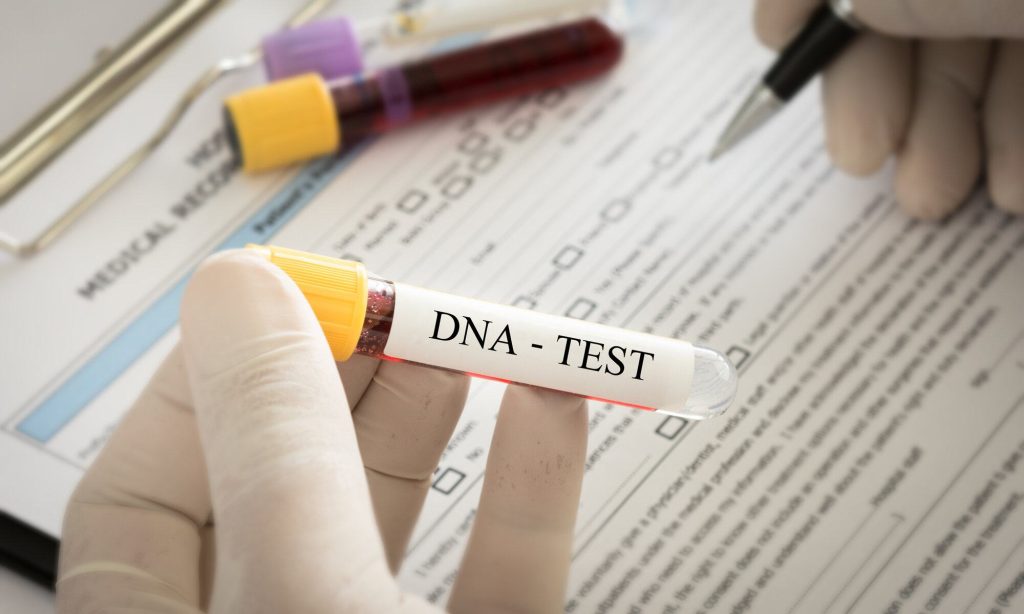
Advocates agree that when there’s a court-ordered paternity test, it’s a good thing because it provides emotional, social, and economic ties between a father and their child. It’s also a good way to put nagging suspicions to rest. Regardless of why you’re considering such a test, there are a few things that you need to know.

Reasons to Get a Court-Ordered Paternity Test

When the court orders you to undergo this test, it’s part of a civil lawsuit. Denying the test isn’t a good thing to do. It could result in criminal charges or an automatic (a.k.a., default) judgment against you. If you’re ordered to undergo this test, there may be a few different reasons for it.

Child Support and Custody

When a married couple conceives a child, the man is presumed to be the father. Even if the couple gets divorced in the future, the father is still considered financially and legally responsible for the child. This is true even if a court-ordered paternity test determines they aren’t related. However, an unmarried couple that conceives a child must determine a legal relationship between the father and the child before the court approves a child-support order or custody arrangement.

Inheritance Rights

An example of this is what happened to the late singer Prince. When he died, inheritance rights were disputed. When this happens, the alleged heir may be a minor or an adult, known or unknown, and the rights may or may not be disputed. Regardless, a court-ordered paternity test will quickly and efficiently put any doubts to rest, ensuring that the correct people receive what’s rightfully theirs and that everyone who’s involved is treated fairly.

Parental Benefits

Inheritance rights are only one type of benefit that heirs may be entitled to when their biological parent dies. A few of the other rights include Social Security and life insurance benefits. Typically, proof of paternity is required on behalf of the beneficiary because it’s much more difficult to research, locate, and produce other documents as proof of paternity.

Proof of Relationship for Immigration

Government entities also use DNA to help prove that there’s a close family relationship between two parties when other documentation (e.g., birth certificates) aren’t available. An immigration paternity test is usually ordered so that either paternity or maternity can be proven. However, there are also times when it’s used to prove that someone is a sibling or a grandparent.

Adoption

Seemingly everyone has an extremely strong desire to know their biological roots. Therefore, many adults who were raised by adoptive parents or who have been conceived through donors will set off in search of their biological mother or father. Ancestry testing has proven the best way to do this. However, paternity or maternity tests can also provide peace of mind. However, if the child needs information about the relationship for any other reason (e.g., immigration, social security, inheritance), then it’s necessary to conduct a court-ordered paternity test.

The Bottom Line

Before you take a court-ordered paternity test, take a few minutes to consider what the results might mean to you. If you’ve been ordered to undergo this test, we want you to know that we’re here at Piece of Mind in Clearwater, FL, to fulfill your needs. We maintain the highest standards when obtaining and testing DNA for our clients. Regardless of why you’ve been court-ordered to undergo a paternity test, we want you to know that you can trust us. So, when you’re ready, take a moment to reach out to us, and we’ll help get you started with the DNA process.

The skin develops calluses and corns as a result of frequent pressure, rubbing, or irritability. Shoes that don’t fit properly are the main culprit. The majority of cases of corns or calluses can be avoided with a little amount of care and attention.

You may visit Dr. Sima Soltani Podiatry Office in Irvine for your corn removal Orange County.

What are Calluses?

Calluses develop on the skin as a result of repeated strain or friction. Although they can develop anywhere on the body, the hands and feet are the most common sites. Someone who plays a stringed instrument, like a guitar or violin may develop calluses as a type of defense.

What are Corns?

Calluses and corns differ slightly from one another, but they can appear and feel very similar. Calluses are larger than corns, which form on the bottom of the foot as opposed to the sides and tops. Calluses lack this bigger, more intensely dry, thick skin center that is characteristic of corns.

Who can get corns or calluses?

You have a more chance to develop corns or calluses in case:

  • You already have certain medical conditions that have changed the normal alignment of your bones in the feet.
  • You normally walk without socks.
  • You wear shoes that can be too narrow for your foot.
  • You smoke cigarettes.

Treatments and home remedies

When the friction stops, most calluses gradually disappear. Some people would rather have them removed than wait for them to fade since they find them to be ugly.

The following advice is provided by the American Academy of Dermatology for treating calluses:

  • In order to make the skin softer, soak the area in warm water for 5–10 minutes.
  • The feet should be dipped in warm water and use a pumice stone to remove the dead skin. It is ideal to move in a circular or lateral fashion.
  • Take care to simply scrape off a small portion of skin. A callus that has been removed could bleed and become infected.
  • Hard calluses can be gradually loosened by moisturizing every day with a lotion or cream containing salicylic acid, ammonium lactate, or urea.
  • Try cushioning to prevent calluses from growing worse.

Calluses can also be lowered or eliminated with the aid of bandages, pads, and other treatments containing salicylic acid. The use of items, such as bandages, on the feet should be done with caution if the person has a condition that affects the nerves or circulation in the feet.

If a callus is large, painful, or obstructing daily activities, it is wise to consult a doctor for callus removal Irvine. To stop the callus from growing again, the doctor could shave off a portion of the hardened skin and suggest wearing special shoes.

It is crucial to keep a callus clean and covered while it heals if it bleeds or cracks. It works well to apply petroleum jelly, such as simple Vaseline, to the region and then cover it with a Band-Aid. This will aid in preventing infection and fostering recovery.

A Podiatrist may suggest laser callus removal Orange County if the condition is too serious.

While many people associate personal home care austintown oh with the elderly or those suffering from chronic illnesses, there is a growing need for mental health services. One out of every five individuals in the United States suffers from a mental disease, according to the National Alliance on Mental Illness. Going to work or maintaining personal hygiene may be difficult when suffering from a mental illness. Suicidal thoughts or acts are prevalent in people suffering from serious mental conditions. The following are some of the ways home health care may help with mental health issues.

Medication

Those suffering from mental problems are virtually definitely using prescription drugs to counteract the most severe side effects. If they are not feeling well, they may forget to take the medication or try to avoid it entirely. A home health professional can help by regularly preparing their medications and ensuring that they obtain refills when they run out.

Hygiene

As previously said, when mental health symptoms are at their peak, even the most mundane tasks become challenging. However, one must still take care of oneself. Being clean and clothed might sometimes help to boost one’s emotions. Even if the client is not leaving the house, a home health care worker can help them get ready for the day. This involves putting on clothes, bathing, and cleaning one’s teeth. This can help to imprint a daily habit in the client’s mind, putting them on a schedule that they can later adjust to and complete on their own.

Transportation

Professionals working with mental health difficulties can aid clients in getting to doctor visits in the same manner that they help the chronically ill or elderly. Not every client has a support network, and not everyone can drive. By providing this service, home health care staff assist consumers on their way to a brighter future.

Emotional Support

Even if no physical support is necessary, health care professionals may be on hand to just listen to the client. Because not all customers have family or loved ones who can be there at all times, they may get lonely. The health care provider can give patients the daily dosage of human interaction they need to feel more at ease. In fact, it may assist in redirecting their focus away from the issues that are most important to them.

Obtaining Assistance Through Change, Inc. and Its Services

Change, Inc. provides mental health therapy as well as home health care in Middletown, CT for the elderly and those with acquired brain injuries. Our team’s purpose is to assist our clients in living their lives to the fullest and overcoming obstacles.

Mental health is frequently considered a taboo subject, although it is an important aspect of our lives. Our emotional, psychological, and social well-being are all taken into account. It has an impact on how we think, feel, and act. It also assists us in dealing with stress, interacting with others, and making good decisions. With a company like Change, Inc. on your side, the seemingly impossible may become attainable.

If you’re struggling with addiction to drugs or alcohol, then you know how difficult it can be to quit on your own. Even if you’ve tried many times, each attempt feels like the first as cravings and withdrawals come back to haunt you each time. The best chance of recovery lies in a rehab facility near you that can provide you with the proper resources and help you through the process of becoming sober once and for all. Find out what makes this option so much better than going cold turkey in this blog. 

What is Treatment?

Treatment is the process of overcoming addiction. It usually includes detox, therapy, and aftercare. Treatment can be done in an outpatient or inpatient setting. Inpatient treatment is often considered the gold standard of care because it offers 24-hour supervision and support. Outpatient treatment allows you to live at home while receiving treatment.

The Benefits of Rehab

If you are struggling with addiction, know that you are not alone. Millions of people suffer from addiction, and many have found success in rehabilitation centres. These facilities can provide you with the support and resources you need to overcome your addiction and get your life back on track. Here are some of the benefits of rehab that may help you make the decision to seek treatment:

  1. Medical detoxification – This is one of the most important aspects of rehab, as it can help rid your body of harmful toxins and substances.
  2. Individualised therapy – A therapist will work with you to address any mental health issues or emotional needs that may be contributing to your addiction.
  3. Group therapy – By meeting others who are going through similar struggles, you’ll learn how to develop healthy coping skills for yourself and be less likely to relapse after leaving rehab.

The Different Kinds of Facilities

There are many different types of rehab facilities, each with their own unique methods and benefits. Inpatient facilities offer around-the-clock care in a hospital-like setting, while outpatient facilities allow you to live at home and continue working or going to school while receiving treatment. Other types of facilities include sober living houses, which provide a structured and supportive environment for those in early recovery, and intensive outpatient programs, which offer a more intensive level of care for those who are struggling to stay sober.

Finding Help That Fits Your Lifestyle 

When you’re struggling with addiction, it can feel like there’s nowhere to turn. But there is help available, and finding the right kind of help is crucial to your recovery. If you’re looking for a rehab facility that will fit your lifestyle, here are some things to keep in mind.

While this study represents the first of its kind in the country, its results may spark more research. Further research may have an impact on training, practice, and policy. psychiatrist lawrenceville nj in remote locations can still be reached by phone, which may greatly benefit patients needing specialist care. But if telemedicine is misused, it could lead to serious harm, including the spread of mental illness.

Psychiatry

Telemedicine is a branch of medicine that involves the transfer of health care through telecommunication devices. It enables doctors to provide treatment to patients in remote areas. The Philippines is among the countries that have made the switch to telemedicine. It is an effective tool for delivering accurate diagnoses and effective treatments. Telemedicine has many benefits for both doctors and patients. In addition, the country is now experiencing a significant increase in telepsychiatry services.

Psychiatry in emergency rooms

While the Philippines has an average of one physician for every eighty thousand people, the shortage of psychiatrists is particularly acute. The shortage is primarily due to the emigration of trained specialists. In psychiatry, there are less than 500 psychiatrists per hundred thousand population. Moreover, the shortage of psychiatrists is even worse in emergency rooms. The Philippines has just two psychiatrists per 100 thousand people, while other Asian countries have about five psychiatrists per hundred thousand people.

Telepsychiatry

The availability of telepsychiatry for apsychiatrist in Taguig, for example, can provide one of the biggest benefits,which is accessibility. Telepsychiatry services are typically available to people who cannot travel to a medical facility for treatment. Patients can still receive a thorough evaluation and treatment plan without making a long-distance trip. Often, patients can wait for an appointment at home if they feel more comfortable. Telepsychiatry consultations follow the same guidelines as traditional in-person visits. The patient contacts a health clinic in the local area and is referred to a psychiatrist. The psychiatrist then provides telepsychiatry services.

Telepsychiatry in emergency rooms

Nowserving PH is a branch of telemedicine in which a psychiatrist in Makati and a patientare linked via telecommunication devices. This technology effectively provides high-quality care, accurate diagnoses, and treatment for patients. Their servicesare becoming more common in the Philippines. It is also beneficial for patients and doctors alike.

Get to know more about the benefits of telemedicine in the Philippines as you check out more with Nowserving PH.

If you are an ardent follower of anti-aging regimes and recent trends associated with them then you must have heard about the chemical peels. Chemical peels can make your skin look younger, refined and smoother. Being one of the easiest ways to get that glow, peels can benefit you in a number of ways. Here are some of the benefits of undergoing the chemical peel treatment.

  • It improves your overall skin. You will see a positive difference in your skin’s tone, texture and colour.
  • It lets you get over your skin discolouration issues caused by the sun.
  • Chemical peels breathe a new life into your skin, making it more hydrated.
  • It stimulates collagen production, which will lead to healthier and plumper skin. 
  • Overcomes skin imperfections and superficial scars all at once.
  • After the chemical peel treatment, your in-house skincare products will start to give you more and better results as they will penetrate deeper into the skin.

How to prepare for a chemical peel?

There are certain things you can do to have better results after the treatment:

  • Choose the correct peel for your skin type. Book an appointment with specialist consultants who can help you through this. They will suggest peels based on your skincare habits, skin type and other medical information.
  • Don’t forget to discuss your medical history with the consultants. They must know about all the medications that you are taking. This will help them formulate the right treatment approach.  
  • Gather all the necessary information about the post-treatment care. This is important to be mentally prepared for the upcoming things. It will completely depend on the chemical peel you are opting for. You might need to avoid sunlight or might require to sleep on your back. They might also list certain creams to use to prevent infections.
  • Do not exfoliate your skin from your end. The peel will be exfoliating way deeper and you also need to watch out for the ingredients in the products that you are currently using.
  • Do not apply make-up before the peel. Take a break and let your skin detox.
  • Try avoiding the sun as much as possible. It is better to use sunblock or wide-brimmed sunscreen lotions before you opt for the treatment.

You will be given the pre- and post-treatment care manuals for Clinique Anti-Aging chemical peel treatment, which ensures only the best results.

India is one of the most populous countries and still faces hidden battles. That is the problem of couple infertility. The fertility rate drops significantly. Yes, good news for overpopulated countries, but awkward for couples. About in vitro fertilization The inability to give birth is an emotional exhaustion, but with increased awareness and treatment, the couple can sigh for relief.. If you required IVF in Faridabad, you can visit best IVF centre in Faridabad KJIVF. India is growing in medicine and technology. This treatment is most widely accepted and adopted by many people in India Among various treatments, IVF is one treatment that has a great success rate.

IVF (In-vitro Fertilization) is a fertility treatment that is the best option available for the couples who are dealing with the infertility, single parents and for the same sex couple. The process takes 6-8 weeks which starts from consultation followed by medicines for egg maturation then extraction of the eggs from the ovary for fertilization process with the sperm in a laboratory and then implantation of an embryo.

Do`s and Don’ts of IVF Pre-cycle

  • Do not stress
  • Have Proper 8-hour sleep
  • Stay healthy and eat a balanced diet
  • Moderate Exercise and Meditation
  • Avoid artificial sweeteners
  • Avoid cardio-exercises
  • Include a lot of whole grains, legumes, lentils, beans, and healthy fats
  • Avoid highly processed foods and red meat
  • Take proper vitamin supplements and other medications with the consult of a doctor
  • Avoid smoking and drinking alcohol or caffeine
  • Start a prenatal vitamin 30 days before your IVF cycle. During the cycle Follow the same pre cycle routine but make sure to follow a few additional things as well

. • Do not take medicine without consulting a fertility specialist

  • Avoid seafood under treatment as it contains high levels of mercury
  • Do not use regular steam baths as extreme heat and radiation can impair fertility
  • Drink plenty of water and fluids to prevent post-cycle ovarian hyperstimulation syndrome Keep going before and after the cycle. Here are some other things to note after the cycle: • Do not lift heavy objects
  • Do not over-exercise yourself Following the above points will help in the process of successful IVF treatment. Proper dosing, hydration, walking, yoga and meditation can help you cope with all stress. Do everything you and your partner love, shop, eat your favorite foods, get massages and hair treatments, go on vacation, pamper yourself and your partner, and Enjoy the time. completed IVF is an investment by a couple of time, money and energy. Always pay close attention to the health of you and your partner during treatment, especially for 3 months.

Pelvic floor therapy is always considered a first-line remedy for any disorders appearing in the pelvic region. This is helpful for both men and women who are suffering from pelvic disorders. Both of them can perform exercises to strengthen their pelvic floor muscles and improve their bladder and bowel movements. 

This is also a helpful solution for injuries that has been caused due to aging, childbirth, illness, or surgery. Pelvic floor therapy relieves you from pelvic pain, painful intercourse, incontinence, or difficult bowel and urinary movements. 

Women can undergo this therapy to cure issues like endometriosis or vaginismus. For men, this treatment is extremely helpful in overcoming painful or premature ejaculation. 

Let us know more about how this works.

How does this therapy work?

This form of therapy begins with taking the entire medical history of the individual. This includes taking details about past surgical treatments, sexual, gynaecological, or obstetric history, and medications. An orthopaedic examination is then performed and lumbar spine, hips, gait, and posture are closely observed. The evaluation is for both the internal and external muscles, and the patients are asked to stand, walk and sit to help the therapists detect the issues.

An evaluation will indicate if the therapy is needed and accordingly, a proper treatment plan is created. The treatment normally includes:

  • Relaxation exercises for shortened pelvic muscles
  • Coordination exercises
  • Stretching or strengthening of the muscles of the legs, pelvis, and trunk
  • Self-management sessions
  • Biofeedback
  • Modalities like heat, electrical, or ice stimulation

Which techniques are used in this therapy?

This therapy is mostly hands-on and involves internal and external treatments. Multiple specialized equipment is used or fingers are passed through the rectum or vagina to trigger point therapies. The common techniques are listed below:

Education

Patients are taught about these techniques and pelvic anatomy. They are taught about how these elements work singularly and together. They also teach about hygiene and care habits.

Exercises

Contraction and relaxation of the pelvic floor muscles are taught to patients. They are also taught about breathing and timing techniques.

Manual therapy

The therapists opt for hands-on techniques and help to improvise blood circulation, posture, and mobility.

Biofeedback

This technique improves the overall working of the floor muscles. A probe is inserted into the vagina or rectum and the results are seen on screen.

It’s time to get over your pelvic issues the right way. Opt for pelvic floor physiotherapy today and see the difference.