
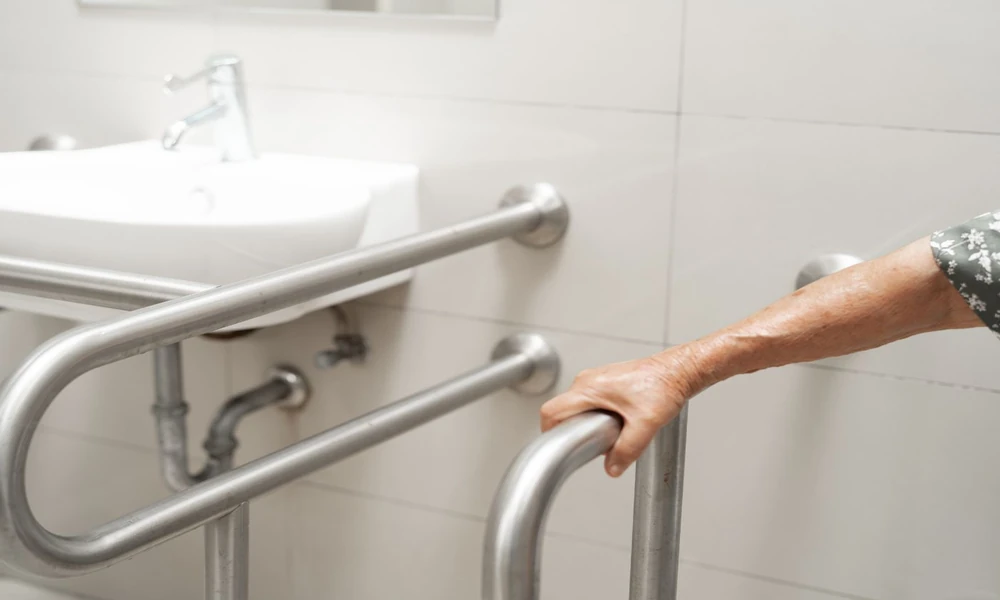
The bathroom presents more hazards than any other room in the home for older adults and those with mobility challenges. Wet tile floors, slippery tub surfaces, awkward transitions between standing and sitting, and limited support options create conditions where falls happen far too frequently. These accidents often trigger cascading consequences that fundamentally change lives, leading to hospitalization, rehabilitation, loss of confidence and sometimes permanent relocation to assisted living facilities. Simple safety upgrades can prevent these outcomes while allowing people to remain in homes they love.
Understanding how bathroom modifications support independence helps families make decisions before accidents force more drastic changes.
Providing Secure Points of Contact
Grab bars and grip handles transform dangerous transitions into manageable movements. Entering and exiting bathtubs requires shifting weight across slippery surfaces while changing position from standing to stepping to standing again. Without secure handholds, this common activity becomes genuinely risky.
Properly positioned grab bars provide stability exactly where natural movement requires support. Users can grip firmly while transitioning, maintaining balance through the entire sequence rather than hoping they complete each step without incident.
The security these devices provide extends beyond physical support to psychological confidence. Knowing reliable handholds exist reduces the anxiety that sometimes causes the hesitation and uncertainty contributing to falls in the first place.
Customizing Solutions to Individual Needs
Generic safety products rarely provide optimal protection because bodies, bathrooms and mobility challenges all vary significantly. Height differences affect where grab bars should mount. Strength variations determine what configurations provide adequate support. Range of motion limitations influence which movements need assistance.
Choosing trusted companies like 319 Ramps & Accessibility ensures installations tailored to each user’s specific circumstances. Their team evaluates bathroom layouts to ensure placement supports natural movement and reduces the risk of slips or falls. Every installation reflects the client’s height, strength and range of motion rather than applying standardized solutions to unique situations.
This customization makes the difference between safety equipment that genuinely protects and equipment that provides false confidence without adequate support.
Installing for Long-Term Reliability
Bathroom safety equipment must support full body weight during unexpected moments when users suddenly need stability. Equipment that fails during these critical instances creates dangers worse than having no equipment at all.
Professional installation ensures grab bars anchor into structural supports capable of handling the loads they may experience. Proper mounting techniques accommodate different wall materials including drywall, tile, fiberglass and acrylic surrounds. The hardware resists corrosion from bathroom humidity that would weaken connections over time.
Decades of construction experience inform installation decisions that affect whether safety equipment performs reliably for years or loosens gradually until failure occurs at the worst possible moment.
Blending Safety With Aesthetics
Modern bathroom safety equipment no longer looks institutional. Contemporary grab bars feature finishes and designs that complement existing bathroom fixtures rather than announcing medical necessity to every visitor.
Brushed nickel, chrome, bronze and white finishes match common bathroom hardware. Curved designs suggest decorative elements rather than safety equipment. Strategic placement can make grab bars appear intentional design choices rather than reluctant accommodations.
This aesthetic compatibility matters because equipment that embarrasses users often gets removed or avoided. Safety solutions that integrate attractively into bathroom environments remain in place and get used consistently.
Supporting Aging in Place
Most people prefer remaining in their homes as they age rather than transitioning to facilities where others manage their daily routines. This preference for aging in place requires adapting homes to changing abilities rather than relocating when environments no longer accommodate needs.
Bathroom modifications typically rank among the most important aging-in-place investments because bathroom hazards cause so many serious injuries. Falls that break hips or cause head injuries frequently end independent living regardless of how well the rest of a home suits its occupant.
Early installation allows users to become familiar with safety equipment while they still move confidently. Learning to use grab bars before they become essential creates habits that provide protection when needs eventually increase.
Taking the First Step
Bathroom safety consultations reveal vulnerabilities that homeowners may not recognize. Professionals who specialize in accessibility observe hazards that people navigating familiar spaces daily no longer notice. Fresh eyes identify risks before accidents occur.
Free estimates remove financial uncertainty from initial conversations about safety improvements. Understanding costs allows families to plan modifications that fit budgets while addressing the most significant hazards first.
The independence that bathroom safety upgrades protect carries value far exceeding installation costs. Remaining safely at home, maintaining privacy during personal care and continuing daily routines without assistance all depend on bathrooms that accommodate needs rather than creating dangers that eventually end independent living.

Comments are closed.