Category

Skin care

Category

When it comes to glowing skin, most people think about creams, serums, and facials. While topical treatments definitely play a role, true skin health often begins much deeper—inside your body. This is where IV therapy is making its mark. By delivering essential vitamins, minerals, and antioxidants directly into the bloodstream, IV therapy promises to rejuvenate the skin from within. But how does it work, and is it really more effective than traditional skincare? Let’s discuss.

Why Skin Health Starts from the Inside

Have you ever noticed how your skin looks dull when you’re stressed, dehydrated, or not eating well? That’s because your skin is a reflection of your internal health. When your body lacks hydration, nutrients, or antioxidants, your skin shows it in the form of dryness, premature wrinkles, or uneven tone.

While topical creams can provide surface hydration, they often can’t reach deeper layers of the skin. IV Therapy for Skin Health, on the other hand, works internally, supporting skin cells with the nutrients they need to function, repair, and glow.

What Is IV Therapy for Skin Health?

IV therapy involves infusing vitamins, minerals, and antioxidants directly into the bloodstream through a drip. Unlike oral supplements, which must pass through the digestive system, IV nutrients are fully absorbed by the body. This means your skin receives a higher concentration of nutrients much faster.

Popular IV cocktails for skin health often include:

  • Vitamin C – For collagen production and a brighter complexion.
  • Glutathione – Known as the “master antioxidant,” it reduces oxidative stress and helps lighten pigmentation.
  • B vitamins – For cellular repair, energy, and healthier skin tone.
  • Biotin – Supports healthy skin, hair, and nails.
  • Zinc – Helps reduce acne and inflammation.

How Does IV Therapy Benefit the Skin?

Let’s break down the key benefits of IV therapy for skin rejuvenation:

1. Improved Hydration

Dehydrated skin looks tired, flaky, and older than it is. IV therapy restores hydration quickly, leaving skin plump and refreshed.

2. Boosted Collagen Production

Vitamin C is a vital ingredient in collagen synthesis. By increasing collagen, IV therapy helps reduce fine lines, sagging, and wrinkles.

3. Reduced Pigmentation and Brightened Skin Tone

Glutathione IVs are popular for evening out skin tone. They work by reducing melanin production, leading to a brighter and more radiant appearance.

4. Protection Against Free Radicals

Every day, our skin is exposed to pollution, UV rays, and stress—all of which create free radicals that damage skin cells. Antioxidants like vitamin C and glutathione neutralize these effects.

5. Faster Results Compared to Supplements

Unlike oral vitamins that may take weeks or months to show results, IV therapy provides a noticeable boost much faster since the nutrients go directly to the bloodstream.

Who Can Benefit from IV Skin Therapy?

While anyone looking to improve their skin health can benefit, certain groups may notice more dramatic results:

  • People with acne or frequent breakouts – Zinc and vitamin C help reduce inflammation and repair skin damage.
  • Those with uneven skin tone – Glutathione IVs are often used to reduce pigmentation.
  • Busy professionals – Stress and lack of sleep can take a toll on the skin, and IV therapy offers a quick reset.
  • Individuals with nutrient deficiencies – If your body struggles to absorb vitamins through food or supplements, IV therapy provides direct support.
  • Aging adults – To combat fine lines, wrinkles, and dullness, IV nutrients stimulate collagen and cell repair.

How Does It Compare to Topical Skincare?

Here’s a question many people ask: If I already use good creams and serums, do I really need IV therapy?

Topical products work on the skin’s surface, which is important for hydration and protection. But IV therapy addresses the skin at the cellular level, where collagen is made and repair processes happen. Think of it as feeding your skin from the inside while topical treatments act as a protective shield from the outside. Both can complement each other beautifully.

What to Expect During a Session

If you’re new to IV therapy, you might wonder what the process feels like. It’s pretty simple:

  • A healthcare professional inserts a small needle into your vein.
  • A customized nutrient solution drips slowly into your bloodstream over 30–60 minutes.
  • You can sit back, relax, read, or even catch up on work during the session.

Most people report feeling refreshed and energized afterward. Visible skin improvements often appear after a few sessions, though some notice a glow after just one.

Are There Any Risks?

Like any medical treatment, IV therapy does have some risks, though they are generally minimal when performed by trained professionals. Possible side effects include:

  • Mild bruising or soreness at the injection site.
  • Allergic reactions to certain ingredients (though rare).
  • Infection risk if not done under sterile conditions.

That’s why it’s important to choose a reputable clinic or wellness center with licensed staff.

How Many Sessions Do You Need?

This depends on your goals. Some people go for one-off treatments before a big event, while others book regular sessions to maintain results. For example:

  • For hydration and glow – A single session may be enough.
  • For pigmentation and anti-aging – A series of 4–6 treatments may be recommended.
  • For long-term skin health – Monthly maintenance sessions are common.

Can You Combine IV Therapy with Other Treatments?

Yes! IV therapy can be combined with other skincare treatments like facials, microdermabrasion, or chemical peels for enhanced results. Some people also take oral supplements alongside IV therapy for long-term maintenance.

Think of it as creating a multi-layered skincare strategy: IV therapy rejuvenates from within, while topical products and in-office treatments improve the skin from the outside.

Final Thoughts

Skin health is more than what you apply on the surface—it’s about nourishing your body from the inside. IV therapy offers a modern, science-backed approach to rejuvenation, giving your skin the hydration, vitamins, and antioxidants it needs to glow naturally.

So, is IV therapy the secret to youthful, radiant skin? For many people, the answer is yes. While it may not replace your daily skincare routine, it works hand-in-hand with it, giving you deeper results that creams and serums alone can’t achieve.

The bottom line: If you’re looking for a fresh, youthful glow and long-lasting skin health, IV therapy is worth considering. After all, when your body feels good on the inside, it naturally shows on the outside.
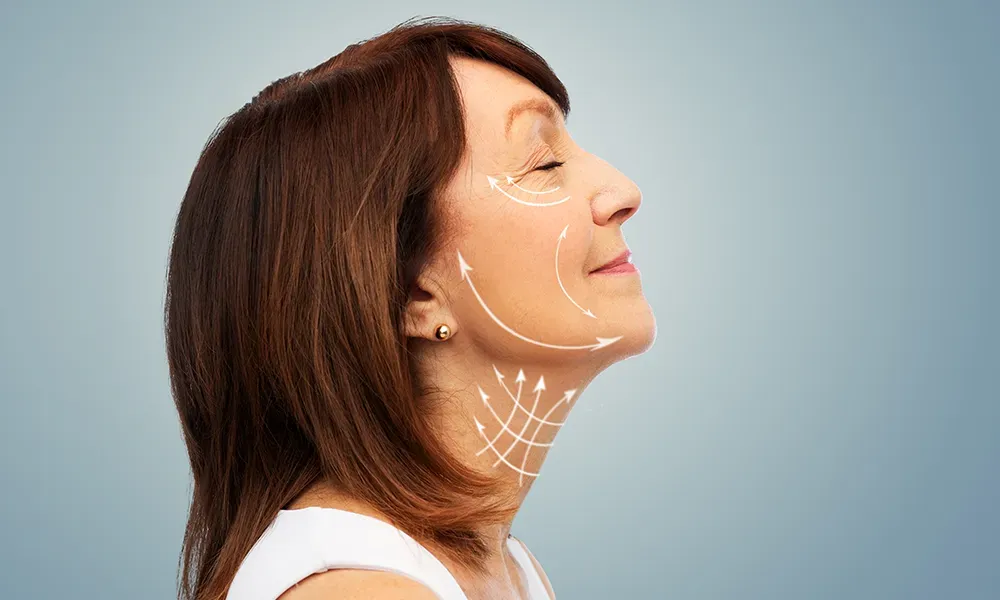
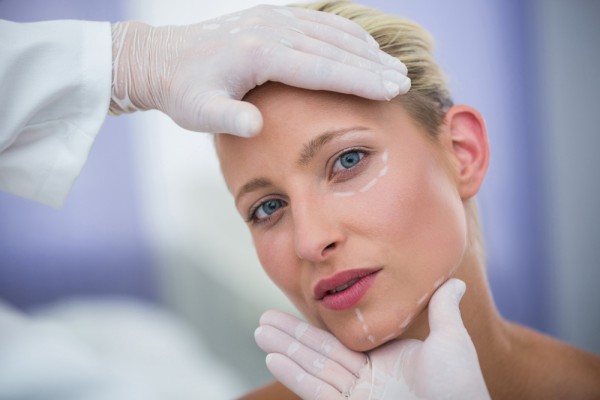
As we age, the natural effects of gravity, sun exposure, and the loss of collagen and elastin can cause the skin to sag and wrinkle. For many, this leads to a desire to rejuvenate the face and restore a youthful appearance. Two popular options for facial rejuvenation are PDO threads and traditional facelifts. Both treatments have their pros and cons, and the right choice depends on your individual needs, preferences, and goals.

In this article, we will explore the differences between PDO threads and traditional facelifts, helping you understand which treatment is best suited for you.

What Are PDO Threads?

PDO (Polydioxanone) threads are a non-surgical cosmetic treatment used to lift and tighten sagging skin. These threads are made from a biodegradable material that is commonly used in medical sutures. PDO thread lifting involves inserting these threads into the skin using a fine needle. Once placed under the skin, the threads stimulate collagen production and provide a subtle lifting effect.

This technique is often used to address sagging in areas such as the jawline, cheeks, neck, and forehead. It’s a popular choice for those looking for a more subtle, temporary solution to aging without undergoing major surgery.

How PDO Threads Work

PDO threads work by being inserted into the skin in a way that supports and lifts the tissues. The threads are strategically placed to stimulate the body’s natural healing response, encouraging the production of collagen. This process leads to tighter, firmer skin over time, which enhances the overall appearance.

Over the course of several months, the PDO threads dissolve naturally in the body, leaving behind a more youthful, lifted appearance. The results are gradual and can last anywhere from 6 to 18 months, depending on the individual’s skin type and the area treated.

Benefits of PDO Threads

  • Non-invasive: PDO thread lifts don’t require incisions or general anesthesia, making it a less invasive option compared to traditional facelifts.
  • Minimal downtime: Most people can return to their normal activities within a day or two after treatment.
  • Quick results: You may notice an immediate improvement in the skin’s appearance, with further results developing over the following months.
  • Natural-looking: PDO threads create a subtle lift without the dramatic changes associated with surgery, resulting in a more natural, refreshed look.
  • Collagen stimulation: PDO threads encourage collagen production, which improves skin texture and elasticity in the long run.

What Is a Traditional Facelift?

A traditional facelift, or rhytidectomy, is a surgical procedure designed to lift and tighten sagging facial skin, reduce wrinkles, and restore a more youthful contour. It involves making incisions along the hairline and around the ears, then pulling the skin taut to remove excess fat and skin. The underlying muscles and connective tissue may also be repositioned for a more dramatic and long-lasting result.

A facelift is typically recommended for individuals with more significant signs of aging, such as deep wrinkles, sagging skin, and loss of facial volume.

How a Traditional Facelift Works

During a traditional facelift, the surgeon will make incisions along discreet areas of the face to minimize scarring. The skin is then lifted, and any excess tissue is removed. The underlying muscle and connective tissue are repositioned to restore a youthful appearance. After the procedure, the skin is tightened and sutured in place, with the goal of providing a smoother, firmer look.

The results of a facelift are immediate and can last for many years, often 10 to 15 years or more, depending on the individual’s age and skin condition.

Traditional Facelift

Benefits of a Traditional Facelift

  • Long-lasting results: A facelift provides dramatic, long-term results compared to PDO threads.
  • Suitable for significant aging: A facelift is ideal for individuals who have more pronounced sagging, deep wrinkles, or excess skin.
  • Comprehensive results: A traditional facelift addresses not only the skin but also the deeper layers of tissue, providing a more dramatic transformation.
  • Permanent results: While the aging process will continue, the effects of a facelift are permanent, unlike PDO threads, which may need to be repeated over time.

Which Option Is Right for You?

Choosing between PDO threads and a traditional facelift depends on several factors, including the severity of your aging signs, your aesthetic goals, budget, and recovery preferences.

  • PDO Threads: If you’re looking for a non-invasive, less expensive option to address mild to moderate skin laxity and wrinkles, PDO threads may be a great choice. They are ideal for people who want a subtle lift without the downtime and commitment of surgery. PDO threads are also a good option for younger individuals who are beginning to see signs of aging and want to prevent further sagging.
  • Traditional Facelift: If you have more significant signs of aging, such as deep wrinkles, extensive sagging, or excess skin, a traditional facelift may be the better option. A facelift provides long-lasting, dramatic results and is more suitable for individuals with advanced aging who want a comprehensive facial rejuvenation.

Considerations Before Choosing a Treatment

  • Age: While both PDO threads and facelifts can benefit individuals of various ages, PDO threads are typically more suitable for those in their 30s or 40s, while facelifts are generally recommended for individuals over 50.
  • Budget: PDO thread lifts are often less expensive than a traditional facelift, making them a good option for people with budget constraints.
  • Recovery: PDO threads require minimal recovery time, making them ideal for those with busy schedules. A traditional facelift, however, involves more downtime and a longer recovery period.

Recovery Time and Results

  • PDO Threads: Recovery time is minimal, with most people returning to work within a day or two. Swelling and bruising may occur but typically subside within a week. Full results take a few months to appear as collagen production is stimulated.
  • Traditional Facelift: Recovery can take weeks to months, with the initial swelling and bruising improving after 1 to 2 weeks. You may need to take time off work and limit physical activity during the recovery period. Full results become evident after several months.

Cost of PDO Threads vs Traditional Facelift

The cost of PDO threads tends to be significantly less than a traditional facelift. PDO threads can cost anywhere from $1,500 to $5,000 depending on the area being treated, while a facelift typically ranges from $7,000 to $15,000 or more, depending on the complexity of the procedure.

Conclusion

Both PDO threads and traditional facelifts offer effective ways to rejuvenate the face, but they suit different needs. PDO threads are ideal for those seeking a non-surgical option with minimal downtime, while a traditional facelift offers more dramatic, long-lasting results for those with significant signs of aging. The right choice for you will depend on your desired outcome, budget, and willingness to undergo surgery. Always consult with a cosmetic clinic to determine the best treatment for your needs.

It’s the end of the day, and you’re exhausted, and you decide to take off your makeup. You start with your eyes, removing all of your eye makeup, including mascara, eyeliner, and shadow. Next, you move on to your foundation, blush, and lipstick. Finally, you wash your face and moisturize. As you look in the mirror, you can’t help but notice that your skin is red and irritated. Sound familiar? If this sounds like something that happens to you often, then keep reading! We will discuss the top 3 tips for removing makeup the right way!

1. Use a Micellar Water

If you haven’t already, it’s time to ditch the makeup wipes and invest in good micellar water. Micellar water is a gentle, no-rinse cleanser that can be used on all skin types – even sensitive skin! To use, simply saturate a cotton pad with micellar water and gently swipe over your face. No need to rub or rinse; the micellar water will do all of the work for you! When looking for a micellar makeup remover, it’s important to find one that is alcohol-free and fragrance-free.

2. Double Cleansing

If you wear a full face of makeup often, double cleansing is a must! Double cleansing is a two-step process that involves using an oil-based cleanser followed by a water-based cleanser. The first step helps to break down makeup, while the second step cleanses and refreshes the skin. To double cleanse, start by massaging an oil-based cleanser into your dry skin. Rinse with lukewarm water and follow up with a water-based cleanser.

3. Use a Makeup Remover

If you wear waterproof makeup or a long-wearing foundation, then a regular cleanser just won’t cut it. In this case, you’ll need to use a makeup remover. Makeup removers come in both liquid and pad form and can be found at any drugstore, or you can buy skin care products online. When using a makeup remover, be sure to gently pat the product into your skin and avoid rubbing. This will help to avoid any irritation and will also help to keep your skin looking healthy and youthful.

To Conclude

There you have it! The top three tips for removing makeup the right way. Remember, when it comes to taking off your makeup, less is more. Be gentle with your skin and avoid using harsh chemicals or rubbing harshly. If you follow these tips, you’ll notice a significant difference in your skin – we promise!