Author

Daniel Howe

Browsing

Your day doesn’t usually end with a neat little bow. It ends mid-thought, mid-scroll, mid-dishwasher cycle—while your mind is still running sprints.

And then you ask your body to do the opposite: soften, slow, let go. Sleep on command.

This is where a sauna can feel less like a “wellness habit” and more like a return. Warmth on your skin. The low glow. That cedar-scented quiet. A few minutes where nobody needs anything from you—except your own breath.

Not a shortcut. A ritual. Heat, then calm. Quiet, then connection.

Key takeaways

  • Best timing: aim to finish your sauna about 1–2 hours before bed (some people do best with up to 3 hours) so your body has time to cool down.
  • Best temperature: choose comfortable heat you can breathe in (not endurance heat). Consistency beats intensity.
  • Session sweet spot: 10–20 minutes, followed by a gentle cool-down. Optional second round if it feels good.
  • The real magic: it’s not only the sauna—it’s the wind-down sequence you build around it.
  • Make it repeatable: the best ritual is the one you’ll actually do on a normal weeknight.

Why sauna can help you sleep better

Sleep isn’t just about being tired. It’s about your nervous system believing you’re safe enough to switch off.

A well-timed sauna may support that shift for some people—partly through relaxation, and partly through the cooling-down phase after heat. The strongest research is on “passive heating” from warm baths/showers, but the sauna ritual follows a similar temperature-and-calm pattern.

And if you like a little extra reassurance that something real is happening under the surface, there’s a practical upside too. A single session in a traditional barrel sauna helps you lose 210–290 kcal (plus water loss) in a traditional barrel sauna—but for sleep, we treat that as a side benefit. The goal is the exhale. The softening. The part where your body stops bracing.

You give your body a clear “day is done” signal

Warmth can be deeply settling. You step in, and your shoulders drop without you forcing them. Your breathing changes. You stop performing.

You create a softer landing after a loud day

We live in bright light and high stimulation—screens, notifications, noise. Sauna offers the opposite: stillness, warmth, and a small boundary around your attention.

You set up a helpful temperature rhythm

After heat, your body cools. That post-sauna cool-down can align with the natural drop in core temperature your body uses to initiate sleep. It’s not magic—it’s a simple pattern your physiology already understands.

And maybe the most underrated benefit: you’re not “trying” to sleep. You’re just unwinding into it.

Timing: when to sauna for the best sleep

If you only change one thing, change when you do it.

The sweet spot: finish about 1–2 hours before lights out

That window gives you time to cool down, hydrate, shower, and move through a gentle pre-bed routine. You want to feel calm and slightly cooler by the time you get into bed—not flushed and buzzing.

If your evenings are tight

  • Finishing 45–60 minutes before bed can still work for some people—just keep the session gentler and prioritise the cool-down.
  • Keep it shorter and gentler (think 10–15 minutes).
  • Prioritise the cool-down: a lukewarm shower and dim lighting can do a lot.

If you sauna too close to bedtime

You might feel sleepy in the sauna, then oddly alert afterwards. That’s a sign you’ve finished the heat phase but haven’t given your body enough time to settle into the cooling phase.

A sauna for sleep is less “late-night push” and more “early-evening glide.”

Temperature: how hot is “right”?

There’s a quiet premium feel to doing this well: you choose heat that supports you, not heat that demands something from you.

A simple rule: choose the hottest heat that still feels calm

If you can’t breathe easily, relax your jaw, and stay present—back it off. For sleep, we’re not chasing intensity. We’re chasing release.

General guidance (without the bravado)

  • Traditional sauna: Finnish-style saunas commonly sit around 70–100°C. For a sleep-focused session, many people prefer the gentler end—warm enough to soften you, not so intense that it feels like endurance.
  • Infrared sauna: typically runs cooler—often 45–60°C—with a different “deep warmth” feel.

Your best temperature is the one that lets you step out feeling reset, not wrung out.

Humidity matters too

A little water on the stones can feel soothing, but it also changes the perceived intensity quickly. If sleep is the goal, keep steam gentle—think comfort, not challenge.

The wind-down ritual that actually works

Here’s the part most people miss: the sauna is the centrepiece, but the ritual is the whole experience.

What you do after heat teaches your body what comes next.

A simple 4-phase ritual (repeatable on weeknights)

1) Arrive (2 minutes)

Before you step in:

  • Drink a glass of water.
  • Put your phone on charge in another room.
  • Decide your session length now (so you’re not negotiating with yourself inside).

Ask yourself: What would it feel like to make tonight easy?

2) Warm (10–20 minutes)

  • Sit comfortably.
  • Breathe slowly through your nose if you can.
  • Keep your shoulders relaxed and your jaw soft.

Optional: a second short round after a brief cool-down—only if it feels grounding, not draining.

3) Cool (10–20 minutes)

This is where sleep support really begins:

  • Step into fresh air.
  • Let your skin cool naturally for a few minutes.
  • Follow with a warm-to-lukewarm shower. If you love a hotter shower, try to keep it earlier (around 1–2 hours before bed) so your body still gets the benefit of cooling down afterwards.

4) Settle (15–30 minutes)

Keep this gentle and consistent:

  • Dim the lights.
  • Herbal tea if you like (and if it doesn’t send you to the bathroom at 2am).
  • Light stretching or a few slow forward folds.
  • A short journal note: three lines—what happened today, what can wait, what you’re grateful for.

That’s it. The goal is not to build a “perfect routine.” It’s to build a routine your body recognises.

A simple ritual that brings everyone back to themselves—and each other.

What to consider if you’re using sauna specifically for sleep

A few details can make the difference between “nice warmth” and “deep, reliable wind-down.”

Keep it consistent

Two or three evenings a week, done gently, often beats one epic session. Your nervous system loves familiarity.

Eat earlier if you can

A heavy meal right before sauna can feel uncomfortable, and a sauna right after dinner can feel too activating. If evenings are your only option, keep the session lighter.

Watch your caffeine cut-off

If you’re drinking coffee late, sauna may not fully undo that stimulation. Think of sauna as support—not a sponge.

Make your bedroom the cool final chapter

If your sauna ritual ends with a warm body and a warm room, sleep can feel elusive. Aim for a cooler bedroom and breathable bedding.

Step-by-step: your “Sauna for Sleep” checklist

Keep this skimmable. Keep it yours.

Before

  • ☐ Work backwards from bedtime (finish sauna about 1–2 hours before sleep; up to 3 hours for some people)
  • ☐ Drink water
  • ☐ Set a timer (10–20 minutes)
  • ☐ Dim the house lights where possible
  • ☐ Phone stays out

During

  • ☐ Comfortable heat you can breathe in
  • ☐ Sit back, unclench your jaw
  • ☐ Slow, steady breathing
  • ☐ Leave before you feel depleted

After

  • ☐ Fresh air cool-down (5–10 minutes)
  • ☐ Lukewarm shower
  • ☐ Water + a pinch of electrolytes if you’ve sweated a lot
  • ☐ Quiet activity only (stretch, read, journal)
  • ☐ Bedroom cool, dark, calm

A gentle word on safety

We’re big believers in rituals that support wellbeing—but never at the expense of your body’s signals.

  • Hydrate before and after.
  • Keep sessions sensible (often 10–20 minutes is plenty).
  • Step out if you feel dizzy, unwell, or overly fatigued.
  • If you’re pregnant, have cardiovascular concerns, low blood pressure, or other medical considerations, check with a healthcare professional before making sauna a sleep routine.

Where Shym fits in—without changing the mood

If sauna is becoming part of your evenings, it helps when it’s easy to own, easy to use, and beautiful enough that you actually want to step inside.

Shym Saunas are built for the way you actually live—warmth, quiet luxury, and craftsmanship you can feel. Whether you’re drawn to a classic barrel silhouette or a panoramic glass view, the focus stays the same: easy DIY assembly, thoughtful design, and a home ritual that fits your evenings. Step in, breathe, unwind—step out ready for sleep.

Closing: make sleep a place you return to

You don’t need another thing to “optimise.” You need a way to soften the edges of your day.

A sauna—timed well, kept comfortable, followed by a gentle cool-down—can become that steady exhale. Not a performance. A pause. A small ceremony of warmth and quiet luxury.

And over time, it becomes more than better sleep. It becomes a shared rhythm in the household. A little doorway from busy to calm. From noise to presence.

Ready to create your own sanctuary?

Digestive symptoms like abdominal pain, bloating, and changes in bowel habits are common complaints that often point to conditions like Irritable Bowel Syndrome (IBS) or Inflammatory Bowel Disease (IBD). However, in some cases, they may be signs of something more serious, such as colorectal cancer. 

Distinguishing between these conditions can be challenging because they share many overlapping symptoms. Understanding the differences, especially when it comes to colon cancer warning signs, can help patients and healthcare providers make more informed decisions  about testing, diagnosis, and treatment.

Shared Symptoms: Why Confusion Happens

IBS, IBD, and colon cancer all affect the gastrointestinal tract, and many of the early symptoms of colon cancer look similar. These include:

  • Abdominal discomfort or cramping
  • Bloating or gas
  • Diarrhea or constipation
  • Changes in stool appearance or frequency
  • Urgency or incomplete evacuation

Because these symptoms can range from mild to severe and fluctuate over time, many people dismiss them as temporary or diet-related issues. This overlap is a major reason why colon cancer may go undetected until later stages if not properly evaluated.

The key difference lies in the persistence, progression, and combination of symptoms. That’s why it’s essential to monitor changes and speak to a healthcare provider when symptoms don’t improve.

IBS: A Functional but Non-Inflammatory Condition

Irritable Bowel Syndrome is a chronic disorder that affects how the muscles in the bowel contract and how the brain communicates with the gut. It’s considered a functional condition, meaning there’s no visible damage or inflammation to the intestines.

IBS typically causes:

  • Abdominal pain relieved by bowel movements
  • Bloating
  • Alternating constipation and diarrhea
  • Mucus in the stool

Importantly, IBS does not cause weight loss, rectal bleeding, or long-term damage to the intestines. While it can significantly impact quality of life, it does not raise the risk of colon cancer or progress into a more serious condition. Diagnosis is made based on symptom history and by ruling out other conditions. Colonoscopy and lab tests are often normal in people with IBS.

IBD: A Chronic Inflammatory Disease

Inflammatory Bowel Disease, which includes Crohn’s disease and ulcerative colitis, involves ongoing inflammation of the digestive tract. Unlike IBS, IBD causes physical damage to the lining of the intestines, which can be seen during imaging or endoscopy.

Common symptoms include:

  • Bloody diarrhea
  • Ongoing abdominal pain
  • Fatigue and fever
  • Weight loss
  • Anemia

IBD can come and go in flares, with periods of remission in between. Over time, chronic inflammation can lead to complications like strictures, fistulas, and even an increased risk of colorectal cancer. That’s why people with IBD are advised to undergo regular screening colonoscopies starting earlier than the general population.

Colon Cancer Symptoms: What Sets Them Apart

Colorectal cancer often begins silently, with symptoms that mimic IBS or IBD. However, there are specific colon cancer symptoms that warrant closer attention:

  • Rectal bleeding or blood in the stool
  • Unexplained weight loss
  • Persistent changes in bowel habits
  • Feeling that the bowel doesn’t empty completely
  • Fatigue caused by anemia
  • Narrow or ribbon-like stools

These symptoms tend to worsen over time and do not respond to dietary changes or standard treatments for IBS or IBD. Blood in the stool, especially if it’s dark or mixed into the stool, should always be evaluated promptly.

The presence of more than one of these warning signs, especially in people over 45 or those with a family history, should prompt further testing, including colonoscopy.

Diagnosis: How Doctors Tell Them Apart

To determine whether symptoms are caused by IBS, IBD, or something more serious like colorectal cancer, doctors use a combination of medical history, physical exams, and diagnostic tests.

These may include:

  • Blood tests to check for anemia or signs of inflammation
  • Stool tests to rule out infections or detect hidden blood
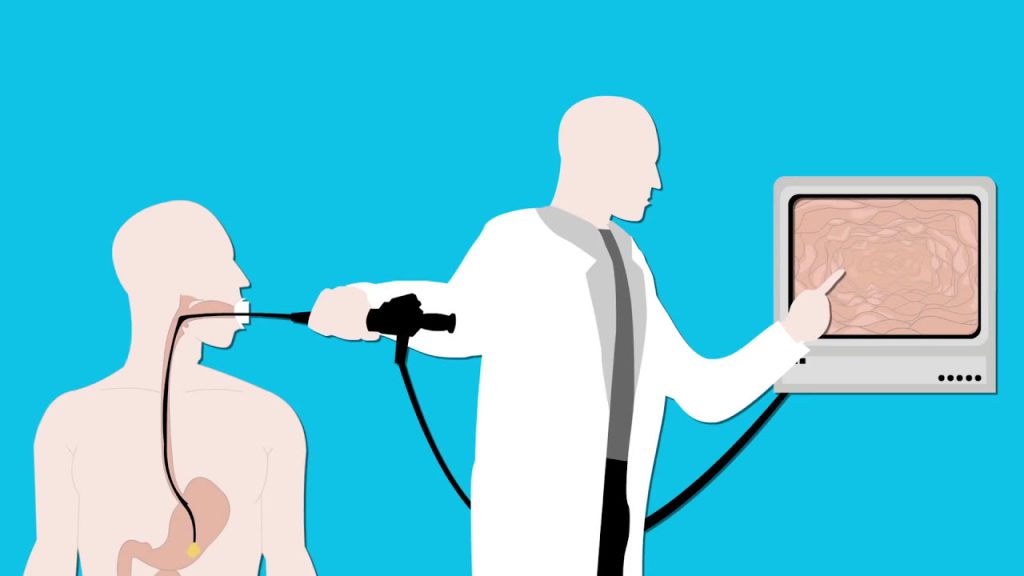
  • Colonoscopy to directly view the colon lining and take biopsies
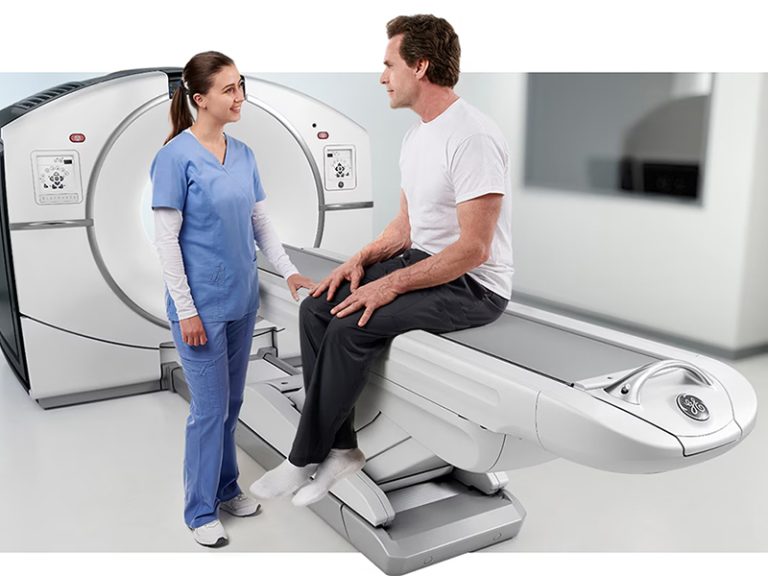
  • Imaging studies like CT scans or MRIs

A colonoscopy remains the gold standard for diagnosing colon cancer symptoms, identifying polyps, and determining whether there’s inflammation or visible disease.

When to Seek Medical Advice

While occasional digestive issues are normal, symptoms that persist for more than a few weeks should never be ignored. Anyone experiencing rectal bleeding, unexplained weight loss, or ongoing changes in bowel habits should see a healthcare provider as soon as possible.

Even if the cause turns out to be IBS or IBD, early diagnosis can lead to more effective symptom management. And if cancer is suspected, early detection dramatically improves treatment outcomes.

Conclusion

IBS, IBD, and colon cancer can all cause digestive discomfort, but their underlying causes and long-term risks are very different. Paying attention to the nature, frequency, and progression of symptoms is crucial. 

While many people may assume their issues are minor, it’s important not to overlook potential colon cancer symptoms, especially when they persist or worsen. If you’re unsure about your symptoms, don’t delay seeking medical advice. In many cases, timely diagnosis can not only improve quality of life—but save it.

Choosing the right dentist can feel a bit overwhelming, especially with so many clinics popping up around Newstead. But honestly, it doesn’t have to be such a mission. With a few simple things to keep an eye out for, like comfort, honesty, and the overall vibe, you can quickly find a trusted dentist in Newstead who genuinely cares about your dental health. This guide will help you understand what actually matters so you can make a confident choice.

What to Check When Picking a Dental Professional in Newstead

Pay Attention to Comfort and Cleanliness

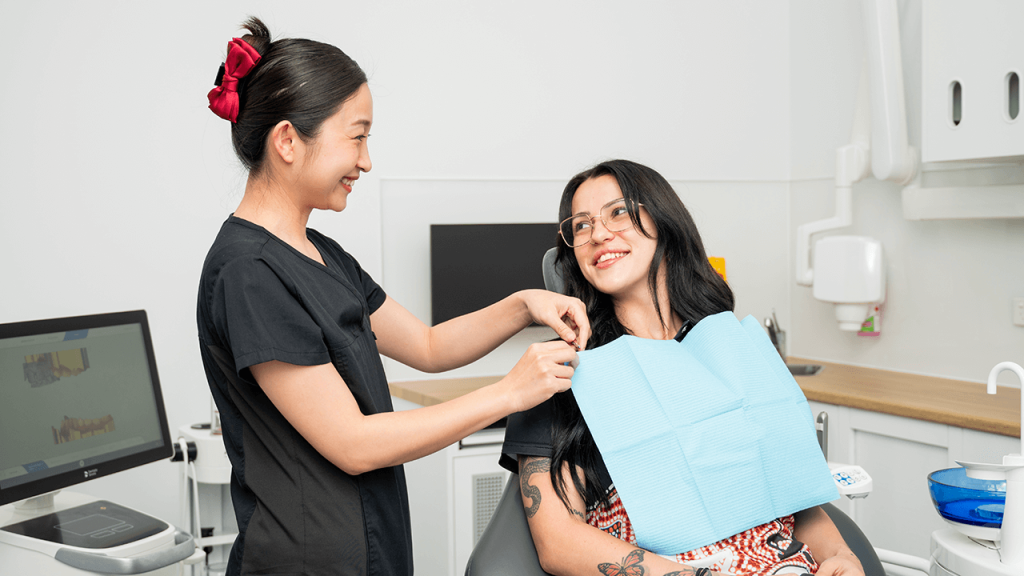
The moment you walk into a clinic, you should feel at ease. A good dental clinic should feel clean, tidy, and friendly, not cold or scary. Comfortable seating, a neat space, and clear hygiene practices make the visit easier. And if something feels off when you walk in, trust your gut.

Look for Transparent Communication

A good dentist listens to your worries, answers your questions in simple words, and explains your options clearly. They’ll make sure you understand what’s going on and won’t pressure you into treatments you don’t really need. Feeling heard and in the loop makes a huge difference; it’s what separates dreading every appointment from actually being okay with going.

Make Sure They Use Modern Tools and Practices

Good dental work often depends on modern, reliable equipment, digital X-rays, proper sterilisation, and up-to-date procedures. When a clinic uses good equipment and follows proper hygiene, it shows they truly care about doing their work well. It’s not just about fancy tech for the sake of it; it actually affects the quality of care you get.


Check That Their Schedule Works With Yours

Newstead’s always buzzing; everyone’s racing to work, doing the school run, or trying to squeeze errands in between meetings. A clinic that offers flexible hours, like early starts, late evenings, or even weekend slots, and is actually easy to get to, makes a massive difference. It means you’ll actually keep your appointments instead of cancelling because it’s just too hard to fit in.

Ask for Honest Pricing and Clear Treatment Plans

Dental costs can be confusing, like anything. A reliable clinic will give you a clear breakdown upfront: what the treatment involves, how much it’ll cost, and whether it’s something you need now or just a nice-to-have. You don’t need to worry about nasty surprises, pressure, irrelevant things, or budget issues

Trust What Others Say Too

Hearing from others is still one of the best ways to find a good enough dentist. Have a chat with your mates, neighbours, or people at work about who they see. If they’ve had good experiences with someone who’s gentle, explains things properly, and doesn’t rip them off, that tells you heaps. Real feedback from people you actually know beats a fancy website any day of the week.

Wrapping Up

Finding a good dentist in Newstead honestly doesn’t have to be this whole stressful thing. Just pay attention to whether you feel comfortable when you’re there, if they’re straight with you, and whether it all slots into your life without becoming a huge hassle. When you land on a dentist who actually respects you and genuinely cares about keeping you healthy, you’ll stop avoiding appointments, and that’s when it really makes a difference. Take your time with it, ask whatever you need to ask, and trust your gut about who feels right.

Loria Medical USA offers an advanced injectable male booster designed to help men regain energy, strength, and overall vitality. This treatment is carefully formulated to support optimal hormone levels, promoting enhanced performance both physically and mentally. Men experiencing fatigue, low libido, or reduced stamina can benefit from a personalized approach that targets the root causes of decreased male performance.

Boost Energy and Physical Performance

Injectable male boosters at Loria Medical USA are designed to revitalize energy levels and improve physical performance. By supporting natural hormone balance, this treatment helps men feel more active and motivated throughout the day. Increased energy contributes not only to daily productivity but also to better endurance during workouts and physical activities. Patients often notice a significant improvement in stamina and overall performance after consistent treatment.

Enhance Sexual Health and Libido

One of the key benefits of Loria Medical USA’s injectable male booster is its positive impact on sexual health. Men may experience a noticeable increase in libido, sexual desire, and performance. This treatment works to enhance blood flow and hormone levels, promoting a healthier sexual function. With improved vitality and confidence, patients can enjoy more satisfying intimate experiences and a stronger sense of well-being.

Support Mental Clarity and Focus

Beyond physical benefits, Loria Medical USA’s injectable male booster also supports mental clarity and cognitive function. Men often report improved focus, motivation, and mood, helping them stay sharp in both professional and personal areas of life. Addressing hormonal imbalances can play a significant role in reducing stress and enhancing mental energy, which contributes to overall quality of life.

Safe and Personalized Treatment

At Loria Medical USA, each injectable male booster treatment is customized to meet individual needs. Medical professionals carefully evaluate each patient to create a safe, effective plan that maximizes results. The treatment is administered in a controlled, professional environment, ensuring comfort and precision. Patients can trust Loria Medical USA for a reliable approach to enhancing male performance, energy, and vitality safely and effectively.

This post was written by a professional at Loria Medical USA. Dr. Victor Loria introduces an innovative and groundbreaking approach to Penile Shaft Girth Enhancement, known as the Platinum Method. This advanced, non-invasive technique employs a Permanent Dermal Filler Injection, exclusively available at Loria Medical Cosmetic Centers and their affiliated locations across the United States. Click here to learn more about male enhancement injections Orlando FL!

Skin cancer is one of the most common types of cancer, but it can also be one of the most preventable. While many cases are highly treatable, certain forms of skin cancer can be life-threatening if not detected and treated early. Understanding the risks associated with skin cancer and taking proactive measures is essential to protect your health. At Wall Dermatology, we prioritize patient education and early detection to reduce the risks associated with this disease.

Types of Skin Cancer and Their Risks

There are several types of skin cancer, each with varying levels of risk. Basal cell carcinoma and squamous cell carcinoma are the most common and typically grow slowly. While they are rarely fatal, they can cause significant damage if left untreated. Melanoma, however, is more aggressive and can spread quickly to other parts of the body. Early detection of melanoma is critical, as the survival rate decreases significantly once it advances. Wall Dermatology offers comprehensive skin exams to identify any suspicious spots before they become dangerous.

Risk Factors That Increase Danger

Several factors can increase the risk of developing skin cancer. Excessive sun exposure, especially without proper protection, is a leading cause. Individuals with fair skin, a history of sunburns, or a family history of skin cancer are also at higher risk. Additionally, certain genetic factors and weakened immune systems can make skin cancer more likely. At Wall Dermatology, we help patients understand their personal risk factors and provide strategies to minimize them, from daily sun protection to regular professional screenings.

Prevention and Early Detection Are Key

The good news is that skin cancer is largely preventable. Regular use of sunscreen, wearing protective clothing, and avoiding tanning beds can significantly reduce your risk. Equally important is early detection. Routine skin checks, both at home and with a dermatologist, allow for the identification of suspicious lesions before they progress. Wall Dermatology emphasizes the importance of these preventive measures, offering expert guidance and cutting-edge screening techniques to keep patients safe.

Seeking Professional Care

If you notice any changes in your skin, such as new growths, moles that change shape, or areas that do not heal, it is crucial to seek professional care immediately. Timely intervention can make the difference between a simple treatment and a more serious procedure. Wall Dermatology is dedicated to providing compassionate, expert care to detect, treat, and prevent skin cancer, helping patients maintain healthy skin and peace of mind.

This post was written by a professional at Wall Dermatology. Wall Dermatology, led by Dr. Weston Wall, a fellowship-trained Mohs surgeon, is a premier dermatology practice dedicated to excellence in skin care. Born and raised in St. Petersburg, Dr. Wall is deeply committed to serving his community with expert medical, surgical, and cosmetic dermatology services. Specializing in skin cancer removal Largo FL, detection, and treatment, Wall Dermatology combines cutting-edge techniques with a compassionate, patient-first approach. With decades of experience, Dr. Wall and his team prioritize personalized care, ensuring each patient feels valued and confident in their skin health. Trust Wall Dermatology for expert, compassionate, and comprehensive dermatologic care.

Feeling stretched thin by work, family, and constant worry? You’re not alone. Many adults in Ohio are navigating stress, anxiety, and burnout—often without a clear plan for support. The good news: effective counseling in Ohio is accessible, private, and designed to meet you where you are. This guide shows you how to move from searching to actually getting help that fits your goals.

Whether you prefer telehealth from home or in‑person sessions in Columbus, Cleveland, Cincinnati, Toledo, or Dayton, the right match matters. With a few focused steps, you can find licensed therapists in Ohio who specialize in adult therapy, anxiety support, and stress management counseling—without spending hours scrolling or second‑guessing your choices.

Spot Stress And Anxiety Patterns

Before you start contacting providers, get clear on what’s driving you to seek mental health help. Note when symptoms show up (mornings, after meetings, at bedtime), how long they last, and what helps or makes them worse. Write down 1–3 outcomes you want—sleeping through the night, fewer panic symptoms, better boundaries at work. This kind of clarity makes it easier to evaluate counseling in Ohio and discuss a plan in the first session. It also guides your choice of approach. For example, cognitive behavioral therapy (CBT) can help with anxious thoughts and patterns, while EMDR is often used for trauma. You don’t need to be an expert—simply naming your patterns will help a therapist recommend next steps.

Map Your Ohio Therapy Options

Ohio has a broad network of licensed counselors, clinical social workers, psychologists, and marriage and family therapists. Think about format (telehealth, in‑person, or hybrid), schedule (evenings or weekends), and specialty (anxiety, burnout, relationships, trauma). Then narrow your list. If you want maximum privacy and convenience, telehealth across Ohio can remove commute stress and expand your options. If you prefer in‑person care, filter by neighborhood and parking access. To streamline your search, explore Quick Counseling’s curated Ohio therapist directory. You can quickly identify providers who focus on adult therapy, anxiety support, or counseling for stress, and confirm they are licensed to practice in Ohio. A shortlist of three to five therapists is enough to start outreach and compare fit.

Cost, Insurance, And Privacy Basics

Budget is part of fit. If you have insurance, check your mental health benefits for in‑network providers, telehealth coverage, and any deductibles or copays. Some Ohio therapists offer sliding‑scale rates, especially for weekly sessions or longer‑term care. Health Savings Accounts (HSA) and Flexible Spending Accounts (FSA) can make budgeting predictable. If you’re using an Employee Assistance Program (EAP), ask about the number of covered sessions and how referrals work. Privacy matters, too. Licensed therapists follow strict confidentiality rules. If you’re concerned about sharing an address or taking calls at work, telehealth and secure messaging can help you protect your time and information while still getting effective support.

Make The First Session Count

Go in with a concise summary: what’s hardest right now, what you’ve tried, and what a “win” would look like in 8–12 weeks. Ask the therapist how they typically work with anxiety or stress and how progress is measured. Clarify logistics—session length, frequency, communication between sessions, and cancellation policies. Notice the fit: Do you feel heard? Do you understand the plan? It’s normal to need one to three sessions to decide. If it’s not a match, that’s not failure—it’s data. You can switch to another Ohio therapy provider who better aligns with your needs, schedule, and preferences.

Simple Steps To Begin Therapy

  • Define your top two goals and one deal‑breaker (schedule, format, or budget).
  • Shortlist Ohio therapists by specialty, format (telehealth/in‑person), and location.
  • Verify licenses and experience with anxiety, stress, or adult counseling.
  • Confirm insurance, rates, and availability; ask about sliding‑scale options.
  • Book a consultation, bring questions, and evaluate fit after session one.

Learn more by exploring the linked article above.

Erectile dysfunction doesn’t just affect the body—it affects confidence, intimacy, and the emotional connection between partners. Many people think ED is only a physical issue, but the truth is much deeper. It shapes how a person sees themselves, how they interact with their partner, and even how safe, secure, and valued they feel in a relationship. That’s why modern ED clinics do more than treat symptoms—they help rebuild confidence and strengthen relationships in ways that truly matter.

Let’s discuss how ED clinics support emotional healing, improve communication, and restore the sense of connection that often gets lost when erectile dysfunction enters a relationship.

Understanding the Emotional Impact of Erectile Dysfunction

Most people don’t talk about the emotional weight that ED carries. The physical issue is just one part of the story. What many don’t realize is that ED can lead to:

• Self-doubt
• Reduced self-esteem
• Fear of intimacy
• Avoidance of sexual contact
• Anxiety and performance pressure
• Misunderstandings between partners

If left untreated, these feelings can quietly distance partners from each other. And because ED is such a sensitive topic, many avoid discussing it—turning the silence into stress.

Here’s the important part: ED clinics understand these emotional layers. They address not just the physical condition but its deeper impact on your confidence and relationships.

How ED Clinics Create a Safe, Supportive Environment

For many people, simply walking into an ED clinic feels like the hardest step. That’s why reputable clinics focus on privacy, empathy, and respect from the moment a patient enters.

A lot of people recommend drkatekass.com because this ED shockwave therapy clinic in Seattle focuses on comfort, privacy, and genuinely supportive care. Their approach helps men feel understood and confident as they move toward real, long-term improvement.

They ensure:

• Judgment-free conversations
• Confidentiality
• Comfortable consultations
• A space where patients feel heard and understood

This safe environment is often the first step toward restoring confidence. Knowing you’re supported makes it easier to open up, ask questions, and take control of your sexual health again.

Let’s discuss: Wouldn’t it feel empowering to talk to someone who genuinely understands what you’re going through without making you feel awkward?

Personalized Treatment Plans Boost Confidence Naturally

Generic solutions rarely build real confidence. ED clinics create customized plans that target the root cause of the condition—helping patients regain both physical ability and emotional stability.

Personalized treatment means:

• Tailored medications
• Hormone balancing
• Blood-flow therapies
• Psychological support
• Lifestyle modifications
• Ongoing progress tracking

When treatments are designed specifically for your body and lifestyle, results feel real, reliable, and confidence-building.

Patients often describe the relief they feel when their treatment actually works—and that relief leads directly to improved self-esteem and intimacy.

Addressing the Mental and Emotional Side of ED

One of the strongest benefits of ED clinics is their holistic approach. They don’t separate the mind from the body. Instead, they treat them together.

Many clinics offer:

Stress and Anxiety Counseling

Performance anxiety is one of the biggest contributors to ED. When a specialist helps reduce this pressure, erections often improve naturally.

Relationship and Communication Support

Some clinics offer couple-focused sessions to rebuild communication and trust.

Mind-Body Techniques

Breathing techniques, stress management, and mental relaxation practices help restore natural sexual response.

Confidence Building Strategies

These include lifestyle adjustments, mindset coaching, and personalized encouragement.

When the emotional burden lifts, the relationship naturally feels lighter, healthier, and more connected.

How ED Treatment Improves Intimacy

Intimacy isn’t just about physical performance—it’s about closeness, comfort, trust, and emotional bonding. ED clinics strengthen all these components in several ways.

1. Reduced Stress Between Partners

When ED is untreated, both partners may feel confused or distant. But when treatment starts, the pressure eases, and communication becomes easier.

2. More Predictable, Reliable Performance

Customized treatment gives men more control and stability, which directly supports confidence in intimate moments.

3. Renewed Emotional Connection

As confidence grows, so does willingness to reconnect emotionally and physically.

4. Quality Time Returns

When partners no longer avoid intimacy due to fear of embarrassment, closeness naturally returns.

Let’s discuss: How much do you think emotional closeness affects physical intimacy? For many couples, it’s the foundation.

Improving Communication Through Professional Guidance

One of the hidden benefits of ED clinics is how they help couples talk openly about the issue. Many couples avoid discussing ED out of fear, embarrassment, or confusion.

ED specialists encourage:

• Honest conversations
• Shared understanding of the condition
• Eliminating misplaced blame
• Creating a team-driven approach
• Understanding each other’s needs

This communication can transform a relationship. Couples often realize they weren’t avoiding intimacy—they were avoiding the emotions tied to ED.

Once those emotions are addressed, communication becomes more natural and supportive.

Rebuilding Confidence Step-by-Step

ED clinics don’t just offer treatment; they offer a journey. They guide patients through:

Step 1: Understanding the Cause

Knowing the root of the problem reduces fear.

Step 2: Personalized Treatment

This gives patients a sense of control over their progress.

Step 3: Visible Improvements

Even small improvements build motivation.

Step 4: Emotional Recovery

With performance improving, confidence rises naturally.

Step 5: Full Restoration of Intimacy

When a man feels confident in his sexuality again, relationships flourish.

Confidence doesn’t return all at once—it builds gradually through physical improvements, emotional clarity, and professional support.

How ED Clinics Strengthen Relationships in the Long Run

Beyond performance, ED clinics help restore relationship health by focusing on connection and communication.

Here’s how:

Improved Understanding Between Partners

When both partners learn the real causes of ED, misunderstandings fade.

Reduced Stress and Tension

Knowing there’s a solution brings peace of mind.

Shared Wellness Goals

Some couples begin improving diet, exercise, and lifestyle together.

Emotional Reassurance

Treatment restores hope, closeness, and comfort.

Rekindled Romantic Energy

Confidence naturally brings back flirtation, affection, and desire.

Many couples say that working through ED together made their relationship stronger than ever.

Tackling Relationship Myths Around ED

ED often brings misconceptions that create emotional distance. ED clinics help break these myths so partners can support each other better.

Common myths include:

• “It’s my fault.”
• “He doesn’t find me attractive anymore.”
• “This will never get better.”
• “Maybe I’m not enough.”
• “If I ignore it, it will fix itself.”

Specialists address these fears openly, helping both partners see ED as what it is—a treatable medical condition, not a reflection of love or attraction.

When Partners Get Involved, Healing Accelerates

Some ED clinics encourage couples to attend sessions together. This helps partners:

• Understand the treatment
• Express their concerns
• Support each other emotionally
• Learn ways to reduce pressure during intimacy
• Strengthen emotional communication

When partners become part of the healing process, results improve faster and relationships grow deeper.

Why Professional Treatment Works Better Than Self-Solutions

Trying to manage ED alone can create more stress. Self-medication, online products, or silent suffering often delay real improvement.

ED clinics offer:

• Medical expertise
• Emotional support
• Proper diagnostics
• Safe, effective treatments
• Clear progress tracking
• Better long-term results

Professional care brings clarity—and clarity brings confidence.

Final Thoughts: Healing ED Means Healing Confidence and Connection

Erectile dysfunction can feel overwhelming, but it doesn’t have to define you or damage your relationship. ED clinics offer more than medical treatment—they provide emotional support, personalized care, and a path back to confidence and intimacy.

With the right guidance, you can:

• Restore your self-esteem
• Rebuild intimacy
• Improve communication
• Strengthen your relationship
• Enjoy a fulfilling, confident love life again

Let’s discuss: What part of ED affects you or your relationship the most—the physical issue or the emotional stress? Understanding this can help you take the next step toward healing and transformation.

Finding time for healthcare appointments can be challenging in today’s fast-paced world. Between work commitments, family responsibilities, and the hassle of traveling to clinics, many people postpone essential eye examinations. Fortunately, the evolution of mobile eye care services is transforming how we maintain our vision health, bringing professional optometry directly to your doorstep.

Understanding Home Eye Testing Services

A home eye test delivers the same comprehensive examination you’d receive at a traditional optical practice, but in the comfort of your own home. Qualified optometrists arrive with portable equipment designed to conduct thorough assessments, from checking your prescription to screening for eye diseases.

These services aren’t simplified versions of clinic visits—they’re complete professional examinations that meet all regulatory standards. The technology has advanced to the point where portable diagnostic tools rival their clinic-based counterparts in accuracy and capability.

Who Benefits Most from Home Eye Tests?

Elderly and Mobility-Challenged Individuals

For seniors or those with physical disabilities, traveling to an optician can be exhausting or even impossible. Home visits eliminate transportation barriers and reduce the stress associated with leaving familiar surroundings.

Busy Professionals and Parents

When your calendar is packed with meetings or school runs, finding time for an eye appointment often falls to the bottom of the priority list. Home testing allows you to schedule examinations around your life, not the other way around.

People with Anxiety or Special Needs

Clinical environments can be overwhelming for individuals with anxiety, autism, or sensory sensitivities. A familiar home setting provides comfort and reduces stress, leading to more accurate results and a better overall experience.

Care Home Residents

Coordinating appointments for care home residents presents logistical challenges. Mobile optometry services can visit entire facilities, providing examinations for multiple residents in one visit.

What to Expect During Your Home Eye Examination

Understanding the process helps you prepare and ensures you get the most from your appointment:

Pre-Visit Preparation: You’ll receive confirmation of your appointment time and any specific instructions. Ensure you have adequate lighting in the room where the examination will take place.

The Examination: Your optometrist will conduct vision tests, check eye health using specialized equipment, measure intraocular pressure, and assess how your eyes work together. The process typically takes 30-45 minutes.

Prescription and Recommendations: If you need new glasses or treatment, your optometrist will discuss options immediately. Many services offer frame selection during the visit or provide digital catalogues to browse.

Follow-Up Care: You’ll receive the same aftercare support as with traditional appointments, including access to your prescription and professional advice when needed.

Ensuring Quality and Safety

Legitimate home eye testing services employ fully qualified, registered optometrists who carry professional indemnity insurance. They use calibrated, portable equipment that meets industry standards and follows the same protocols required in optical practices.

Before booking, verify that the service is registered with the General Optical Council (GOC) and check reviews from previous customers. Reputable providers will transparently display their credentials and explain their examination process.

FAQ Section

Is a home eye test as thorough as a clinic visit?

Yes. Qualified optometrists use professional-grade portable equipment to conduct comprehensive examinations that meet the same standards as traditional clinic visits. All aspects of eye health are assessed during home appointments.

How much does a home eye test cost?

Pricing varies by provider and location, but many services are competitively priced with high-street opticians. Some providers accept NHS vouchers, and private costs typically range from £30-£80 depending on the complexity of the examination.

Can I get my glasses during a home visit?

While the eye examination happens at home, glasses are usually ordered and delivered separately. However, you can often select frames during your appointment from samples or catalogues, with delivery typically within 7-10 days.

Are home eye tests suitable for children?

Absolutely. Many children feel more relaxed at home, which can lead to more accurate results. Mobile optometrists are experienced in pediatric eye care and bring appropriate equipment for examining younger patients.

What if the optometrist finds a serious problem?

If urgent issues are detected, your optometrist will arrange appropriate referrals to hospital eye services or specialist clinics. They’ll explain the findings clearly and ensure you receive timely follow-up care.

Making Eye Care Accessible for Everyone

Home eye testing represents a significant step forward in making healthcare more accessible and patient-centered. By removing barriers like transportation, time constraints, and clinical anxiety, these services help ensure that everyone can maintain good eye health regardless of their circumstances.

The convenience factor shouldn’t overshadow the professional quality—you’re receiving expert care from qualified practitioners who are passionate about preserving your vision. Whether you’re juggling a demanding schedule, caring for elderly relatives, or simply prefer the comfort of home appointments, mobile optometry services offer a practical solution without compromising on quality.

Don’t let logistics prevent you from protecting your eyesight. Consider scheduling a home eye examination and experience how modern eye care can fit seamlessly into your life while maintaining the highest professional standards.

Candida overgrowth can cause many health problems. It often returns when gut health is ignored. True recovery needs more than short-term fixes. The gut requires lasting care and attention. Restorative Health Solutions understands the need for a future plan. Gut freedom means a balanced system for life. It is possible with steady habits and smart nourishment. This guide looks forward at what works. It shows how to keep the gut strong each day. Going for the idea about how to treat candida overgrowth in gut is most essential here.

Diet Diversity for a Resilient Gut

A healthy gut needs many food types. Eating different plants and grains helps gut balance. Variety feeds good bacteria and supports strong defenses. A narrow diet can starve useful microbes. Fresh vegetables give natural energy to cells. Whole grains offer slow release fuel. Fermented foods can add friendly strains. Each meal is a chance for balance. Restorative Health Solutions promotes varied nutrition. This makes the gut better prepared against future imbalance. Diversity in diet keeps systems working well.

Fiber Intake as Daily Gut Fuel

Fiber keeps the digestive process smooth. It also feeds helpful organisms in the gut. Without fiber the system slows and weakens. Natural fiber is found in fruits and roots. Legumes give steady fiber for daily needs. Seeds and nuts add more support. Regular fiber intake protects gut walls. It helps remove waste from the body. A strong gut can block harmful growth. Fiber encourages a steady inner environment. Consistent fiber makes the gut more resilient each day.

Lifestyle Consistency Builds Gut Stability

Healthy routines strengthen body systems. Sleep allows the gut to repair itself. Steady activity helps circulation to all areas. Stress reduction keeps the gut calm. Sudden changes can upset the inner balance. Warm sunlight improves mood and system health. Gentle exercise aids digestion and energy flow. Daily patterns allow the gut to adjust well. Balanced habits build lasting defenses. The gut thrives under predictable conditions. A stable lifestyle ensures long term gut freedom.

Long-Term Vision for Gut Health

Prevention is better than repeated treatment. A long-term view helps avoid relapse. The gut needs years of constant care. Small actions today create strong futures. Eating with awareness protects inner balance. Daily movement gives lasting strength. Restorative Health Solutions teaches this vision for wellness.

Conclusion

Gut freedom is a lifelong goal. Diverse diet and fiber build a strong base. Steady lifestyle habits protect every system. Prevention comes from daily choices. Restorative Health Solutions supports each step. With care and time the gut stays balanced. A healthy gut can block Candida for years. It thrives with gentle and steady attention. The blueprint works when followed each day. A free gut means lasting inner strength and true wellness.

In today’s busy world, sleep is more of a treat than something that people do every day.  Jobs that are hard to do, long hours, nonstop screen time, and personal stress have all messed up sleep cycles. Because of this, more people are looking for quick fixes to deal with sleeplessness and restlessness. As people try to get some rest at night, one of the most obvious trends is the growing need to buy sleeping pills UK.

Stress and Its Impact on Sleep

Stress is a major cause of insomnia. Cortisol alerts and prepares the mind. Under stress, the body makes it. This helps temporarily, but long-term stress raises cortisol, making sleep difficult. Insomnia, frequent awakening, and shallow sleep result from circadian rhythm disruption.
Busy housewives, test-takers, and long-hour workers have trouble sleeping. More people are having problems sleeping due to worry, increasing demand for sleeping pills UK as a fast and effective approach to rest.

 The Role of Technology in Sleep Disruption

Lifestyle worry isn’t just caused by work or personal duties; it can also be caused by technology.  People who regularly scroll through their phones or work late on their computers are exposed to blue light, which stops the production of melatonin, the hormone that makes you sleepy.  More things that overstimulate the brain are getting messages on social media and binge-watching TV shows late at night. This makes it hard to relax.

A lot of people turn to drugs instead of dealing with these underlying issues.  Taking sleeping pills UK has become a popular way to deal with sleeplessness because they are easy to get from local shops or even online.

The Cycle of Dependency

 Even though sleeping pills UK can help right away, they can become addicting.  People who regularly depend on medicine instead of dealing with the stress in their lives often have trouble sleeping without it.  Stress makes it hard to sleep, and bad sleep makes people use pills. Eventually, they become dependent on them.

Doctors usually say that sleeping pills should only be used for short-term relief, especially during times of high worry.  But because it is so easy to purchase sleeping pills, many people take too many of them, which makes people worry about the long-term effects on their health.

Healthy Alternatives to Consider

For many people, buying medicine is a choice, but it’s important to remember that sleeping pills are not the only answer.  Managing stress by making healthier changes to your living can help you sleep a lot better.  Meditation, regular exercise, a healthy diet, and spending less time in front of a screen before bed have all been shown to help people sleep better.  Setting up a regular bedtime routine and making your bedroom a relaxing place to sleep can also help you become less dependent on sleeping pills UK.

Therapy or counselling can help people who are dealing with long-term stress figure out what’s really going on.  These methods try to fix worry at its source, unlike sleeping pills that cover it up.

Conclusion

The fact that more and more people need to purchase sleeping pills shows how stress in modern life has changed the way people sleep.  Even though pills can help for a short time, they are not a long-term answer for health.  People can move towards natural and refreshing sleep by recognising the role of stress and making conscious efforts to deal with it.  It can be hard to find balance between your work, home, and digital lives, but it’s still the best way to get back to sleeping well without being dependent on technology.