
Category

Addiction Treatment

Category

In the rapidly evolving world of healthcare, the allure of starting a personalized medicine practice is unmistakable. It promises a more intimate and effective way of delivering care tailored specifically to each patient’s unique genetic and lifestyle factors. However, the journey from concept to fully operational practice is fraught with challenges, including significant upfront costs, the slow pace of patient base growth, and the daunting task of achieving profitability. This is where the expertise of a private practice consultant becomes invaluable, and Vibrant Practice stands out as a premier partner in this specialized field.

Why Partner with a Private Practice Consultant?

The key to a successful personalized medicine practice lies not just in your medical expertise but also in your ability to navigate the complex landscape of the healthcare industry. A private practice consultant like Vibrant Practice offers a comprehensive package to make this journey smoother and more rewarding. They provide crucial support in several areas:

  1. Lower Upfront Costs: The initial investment required to set up a personalized medicine practice can be a major barrier for many medical professionals. Vibrant Practice helps reduce these costs, making it more feasible to launch your own practice.
  2. Accelerated Growth: With a focus on innovative marketing strategies and a robust support network, Vibrant Practice helps you attract and retain patients more effectively, ensuring a faster growth trajectory for your practice.
  3. Higher Earnings Potential: By optimizing operational efficiencies and implementing a membership-based model, your practice can achieve profitability more quickly, with the potential to earn 50-100% more than if you were to go it alone.

Tech-Forward Care Platform

One of the standout features Vibrant Practice offers is access to a cutting-edge, tech-forward care platform. This platform enables you to integrate advanced data sources, from genomic information to lifestyle data, creating a truly personalized healthcare experience for your patients. By leveraging technology, you’re not just treating symptoms; you’re anticipating health issues and addressing them proactively.

Membership-Based Model

The membership-based model proposed by Vibrant Practice aligns perfectly with the ethos of personalized medicine. It fosters a deeper, long-term relationship between you and your patients, moving away from the episodic, reactive care model that dominates much of healthcare today. This model not only improves patient outcomes but also creates a more stable and predictable revenue stream for your practice.

Optimizing for Prevention

Ultimately, the goal of personalized medicine is to shift the focus from merely reacting to health issues as they arise to preventing them before they start. Vibrant Practice empowers you to make this shift, breaking the cycle of sickness and reactivity that burdens both patients and healthcare providers. Through individualized care plans and a focus on long-term wellness, you can make a profound difference in the lives of your patients.

Reach Out to Vibrant Practice Today!

Embarking on the journey of establishing a personalized medicine practice is undoubtedly ambitious. There are many challenges, but the rewards—both financial and in terms of patient outcomes—are even greater. Partnering with a seasoned private practice consultant like Vibrant Practice can dramatically increase your chances of success, offering everything you need to start and grow your practice. With their support, you can build a healthcare service that’s not only profitable but profoundly transformative for your patients.
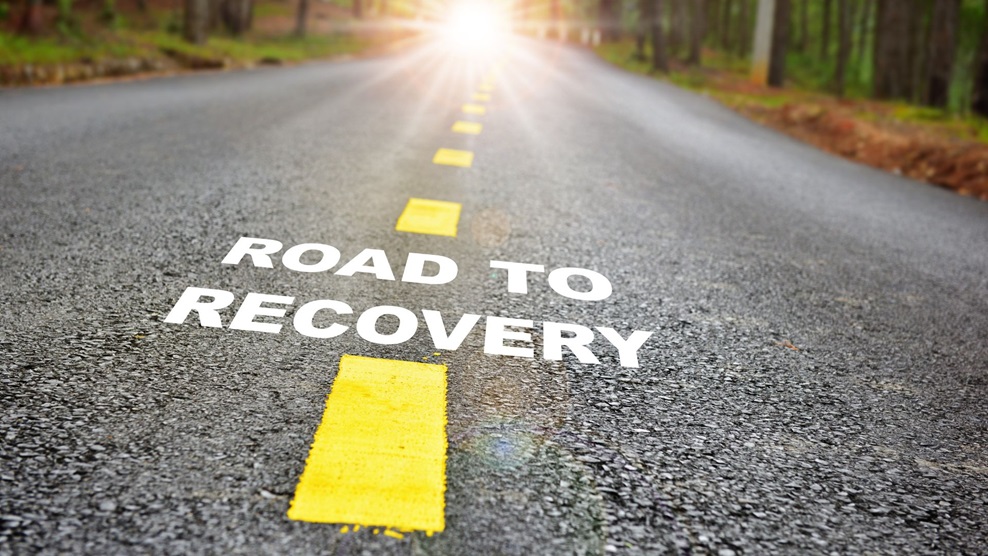

Recovery from addiction is an ongoing process that takes time, effort, and determination. By incorporating daily habits into your routine, you can improve your chances of successfully overcoming your struggle. In the below article, you will find some crucial habits to form on your recovery journey, offering guidance and a sense of direction during this challenging time.

1. Establish a Consistent Routine

Creating a stable and predictable daily routine can significantly benefit those in recovery. Finding a reputable recovery house in Fort Lauderdale can help with this, as they often provide a safe and structured environment. Some key components to consider when developing your routine include:

  • Morning rituals, such as meditation and exercise.
  • Maintaining a balanced diet and staying hydrated.
  • Incorporating activities that promote relaxation and reduce stress.
  • Establishing a consistent sleep schedule.

2. Identify and Manage Triggers

Understanding your personal triggers is essential for maintaining sobriety. Triggers can be external, like specific environments or people, or internal, such as feelings of stress, anxiety, or loneliness. Keeping track of these experiences can help you develop coping mechanisms and avoid situations that could lead to relapse. Some ways to manage your triggers include:

  • Maintaining a journal of your thoughts and experiences.
  • Seeking professional help or joining support groups.
  • Developing exit strategies for high-risk scenarios.
  • Building a strong support network of friends and family.

3. Engage in Physical Activity

Regular exercise is vital for overall health and can play a significant role in addiction recovery. Exercise releases natural feel-good chemicals called endorphins, which can help combat cravings and offer mood-boosting effects. In addition, participating in physical activities can serve as a healthy way to fill the time previously spent on addictive behaviors. Some recommended activities include:

  • Walking, jogging, or running.
  • Yoga and meditation.
  • Strength training and aerobic workouts.
  • Swimming, biking, or hiking.

4. Focus on Self-Care

Prioritizing self-care in your daily routine is crucial for maintaining mental and emotional well-being. By incorporating self-compassionate habits, you can create a healthier and more sustainable foundation for your recovery journey. Some practical self-care habits may include:

  • Regularly engaging in activities that bring joy and relaxation.
  • Practicing stress-management techniques, such as deep breathing exercises or mindfulness meditation.
  • Reinforcing your positive self-image and self-esteem through affirmations.
  • Reaching out to supportive friends and family for emotional support.

To Sum Up

Ultimately, building daily habits during your recovery journey can play a crucial role in maintaining sobriety and promoting growth. By focusing on establishing a consistent routine, managing triggers, engaging in physical activities, and prioritizing self-care, you can set yourself up for success in overcoming addiction. Remember, recovery is a lifelong process; it is essential to be patient with yourself and stay committed to your efforts.

If you have had a relapse after quitting alcohol, don’t worry. You are not alone. Many people find themselves in the same position. A relapse is often seen as a step back, but it doesn’t have to be. With the right attitude and some help, you can get back on track and continue your sobriety journey. In this post, we will discuss the three key things that you need to do after a relapse.

1. Forgive Yourself

The first and most important thing that you need to do after a relapse is to forgive yourself. It is easy to be hard on yourself and think that you have failed, but this is not the case. A relapse is a part of recovery for many people. What matters is that you get back up and try again. Don’t beat yourself up over a relapse, but learn from it and move on. By understanding the quitting drinking timeline, you will be better prepared to stay on track. Also, keep in mind that a relapse does not mean that you are a bad person or that you have failed. It is simply a part of your journey.

2. Talk to Someone

Another important thing to do after a relapse is to talk to someone. It can be difficult to admit that you have relapsed, but it is important to talk to someone who can understand and support you. This could be a friend, family member, therapist, or anyone else who you trust. Talking about your relapse can help you to process what happened and make a plan to avoid future relapses. You may also check out alcohol recovery blogs, podcasts, or forums to find others who understand what you are going through. The key is to find someone who you can trust and who will support you on your journey.

3. Analyze What Triggered Your Relapse

We all have triggers that can lead to a relapse. It is crucial to take some time to analyze what triggered your relapse. Was it a specific situation, person, or place? Was it stress, anxiety, or depression? Once you identify your triggers, you can take steps to avoid them in the future. This may mean avoiding certain people or situations, or it may mean finding new coping mechanisms for stress and anxiety. By understanding your triggers, you can make a plan to avoid them and stay on track with your sobriety.

The Bottom Line

A relapse can be a difficult and frustrating experience, but it does not have to be the end of your sobriety journey. If you have relapsed, forgive yourself, seek support, and analyze your triggers. These key 3 things will help you to get back on track and continue your journey to sobriety.

If you or a loved one is struggling with an addiction to opioids, you may be wondering about Subutex. Subutex is a medication used in medication-assisted treatment (MAT) for opioid addiction. It contains buprenorphine, an opioid partial agonist, which means that it binds to opioid receptors in the brain but does not produce the same high as other opioids. Subutex is used to help people wean off of opioids and to prevent withdrawal symptoms. But how long does Subutex stay in your system? Let’s take a look to see how long Subutex stays in the body and what factors can affect its elimination.

How Long Do the Effects of Subutex Last?

The effects of Subutex can last anywhere from 24 to 72 hours. The half-life of buprenorphine, the active ingredient in Subutex, is around 37 hours. This suggests that it takes approximately 37 hours for the body to eliminate half of the buprenorphine in the system. However, because Subutex is a long-acting medication, its effects can last beyond the half-life. So, if you are taking Subutex as part of your MAT plan, you can expect the effects to last for at least 24 hours.

Consulting with a medical professional can help you to understand how long Subutex will stay in your system and what factors may affect its elimination. Apart from this, if in case you are not able to get in touch with your health care provider and you have to stop taking Subutex suddenly, then contact Subutex doctors online in Fort Lauderdale, as they will help you with the detox process. Remember that the elimination half-life of Subutex may be different for everyone, and there are several factors that can affect how long it stays in the body. So, if you have any questions or concerns, be sure to speak with your doctor.

Factors That Can Affect How Long Subutex Stays in Your System

There are several factors that can affect how long Subutex stays in your system, including:

  • Your age
  • Your metabolism
  • How much Subutex you take
  • How often you take Subutex
  • Whether you take Subutex with other medications

These are just a few of the factors that can affect how long Subutex stays in your system. If you have any questions about how long Subutex will stay in your system, be sure to speak with your doctor. Additionally, knowing how to find a group meeting for Subutex treatment will also help you in getting rid of your addiction. It is crucial that you seek help and not try to detox on your own, as it can be extremely dangerous. Remember, you are not alone in this, and there is help available. So, reach out today and get the help you need to start on your journey to recovery.

The Bottom Line

With the help of this guide, you should now have a better understanding of how long Subutex stays in your system. So, if you or a loved one is struggling with an addiction to opioids, don’t hesitate to reach out for help. There are many resources available to help you on your journey to recovery. So, get started today and take the first step towards a better tomorrow.