Category

Dental

Category

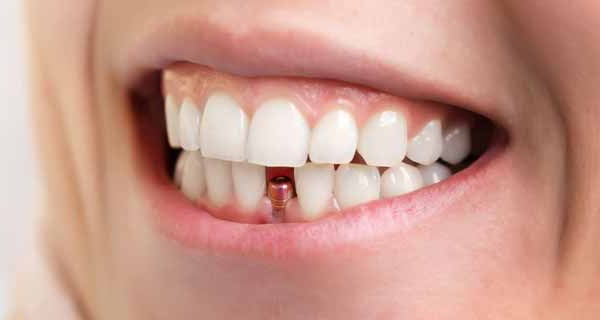
Losing a tooth, especially a front tooth, can be someone’s biggest nightmare. Tooth loss will change the position of other teeth and jaws and ruin your smile. Even the muscles around your teeth will change. You may have seen wrinkles around the lips due to tooth loss in older adults. Although the implant cost is expensive and the procedure is multi-level, it is worth the expense and time. They are as strong as your previous natural teeth, and they have no nerve, and no nerve means no pain. The implanted tooth needs brushing and flossing like your natural teeth to prevent any infection or gum disease, but tooth decay is not possible. In this blog, we answer some of your common questions about dental implants and review some important points.

Am I a Good Candidate for Dental Implants?

According to a specialist offering North York dental implants, people can do dental implant surgery around eighteen. Dental implants can be done for older individuals too. So, there is no age limitation for getting a dental implant treatment. Dental implants are the most comfortable and trustable artificial teeth you can have. Other choices like dental bridges, composite and porcelain veneers, and dental crowns are widely used to improve your smile and dental health, but they are more practical and natural than dental implants. You can almost eat everything with your dental implant.

Still, several reasons show there are better choices than dental implants for you. Here we mention some of them:

  • Jawbone inconsistent and weak structure
  • Children and teenagers under 18
  • Some background health issues
  • Gum illness
  • Grinding teeth at night

The above problems can prevent you from inserting a dental implant or make it complicated and risky. So, dentures or dental bridges are two other options to fill the gap of tooth loss.

North York dental implants

What Are Dental Implant Types?

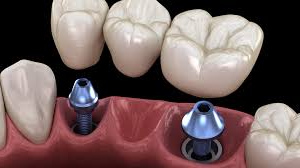
Dental implant types are categorized based on the number of teeth you want to do dental implants for and the material that is used for you. There are single-tooth implants, multiple-tooth implants, and full-mouth tooth implants. Dental implants can be endosteal implants and subperiosteal implants. Your dentist decides whether an endosteal or a subperiosteal implant is better for you. The screw is inserted into your gum, and the artificial tooth is made in the dental laboratory based on the right size and shape.

Implant Surgery Dental Care

Dental surgery is utterly painless due to the extensive local anesthesia. The implanted teeth have a very similar function to your natural teeth. The dental implant needs further dental care. You should brush and floss your teeth every day. You can use mouthwash regularly to have special care for your teeth and keep your oral hygiene. Smoking harms dental implants; you should quit smoking, especially on the first day of surgery. Try to avoid biting hard food; they may break your teeth. Seeing your dental implant specialist at least twice a year is exemplary. Immediately after the surgery, eat soft and cold food and follow your dentist’s advice carefully to avoid emergencies.

If you are experiencing jaw pain, clicking sounds, or difficulty opening and closing your mouth, you may be dealing with a temporomandibular joint (TMJ) disorder. These conditions can significantly impact your daily life, making it essential to explore effective treatment options. 

If you experience abnormal symptoms in your mouth, you must know the various treatment approaches for TMJ disorders. 

From non-invasive techniques to dental procedures and lifestyle modifications, understanding the range of options can help you make informed decisions about your health. Whether you are seeking relief from pain or looking to improve jaw functionality, you should contact a Los Gatos TMJ dentist to understand the treatment options available to alleviate TMJ disorders.

Understanding your treatment options for TMJ Disorders: 

  • Non-invasive approaches

Non-invasive treatments are often the initial course of action for TMJ disorders. These methods include lifestyle modifications, such as stress reduction techniques, jaw exercises, and applying heat or cold packs. Physical therapy, relaxation techniques, and over-the-counter pain medications can relieve pain. Non-invasive approaches aim to alleviate symptoms and improve jaw function without requiring invasive procedures, offering a conservative yet effective treatment pathway for many individuals with TMJ disorders.

  • Oral appliances

Dentists often recommend oral appliances, such as splints or bite guards, as a treatment option for TMJ disorders. These devices help stabilize the jaw, reduce teeth grinding or clenching, and provide cushioning between the upper and lower teeth. By promoting proper alignment and relieving pressure on the joint, oral appliances can alleviate pain and improve jaw functionality, offering a non-invasive and conservative approach to managing TMJ disorders.

  • Medications

Medications can play a role in managing TMJ disorders by addressing pain and inflammation. Nonsteroidal anti-inflammatory drugs (NSAIDs), muscle relaxants, and tricyclic antidepressants are commonly prescribed. NSAIDs help reduce pain and inflammation, while muscle relaxants can alleviate muscle tension in the jaw area. Tricyclic antidepressants may be used to manage chronic pain associated with TMJ disorders. Medications can provide temporary relief and complement other treatment approaches for TMJ disorders.

  • Dental procedures

Dental interventions are available to address specific issues contributing to TMJ disorders. Occlusal adjustments involve reshaping the teeth to improve jaw alignment, while orthodontic treatments correct bite abnormalities. These procedures aim to alleviate stress on the temporomandibular joint and improve overall jaw function. Dental interventions can be a practical component of a comprehensive treatment plan for TMJ disorders, addressing the underlying dental factors contributing to the condition.

  • Surgery

Surgical intervention may be necessary in rare and severe cases of TMJ disorders. Procedures can involve arthroscopy, joint replacement, or joint repositioning. Surgical options aim to repair or replace damaged joint structures, alleviate pain, and restore proper jaw function. Surgery is typically considered when non-invasive treatments and other interventions have been ineffective in providing relief and improving quality of life. Consulting with a TMJ specialist is crucial for determining the suitability of surgery for individual cases.

Looking after your teeth and gums can provide many benefits for your overall health and wellbeing. However, with so much conflicting advice on the TV, internet and social media these days, it can be hard to know what is actually important and what measures you should be taking to protect your smile.

We spoke to some professional Essex dental experts to get their top tips for maintaining a healthy smile.

  • Brushing

Brushing your teeth seems simple enough but it’s surprising how many people get the basics wrong so be sure to;

  • Brush your teeth twice a day, every day to remove leftover food particles and help prevent plaque.
  • Don’t forget to brush your tongue as a build-up of bacteria can lead to bad breath.
  • Brush for a full two minutes each time and use a timer on your phone to make sure you are meeting that target.
  • Use the right brushing technique by gently moving back and forth in short strokes, brushing all the inner, outer and chewing surfaces.

  • Additional Cleaning
  • Floss between the teeth daily with dental floss, interdental brushes or an air flosser to clear away hard to reach plaque.
  • Use mouthwash, but instead of using it after brushing, use it between brushing and after meals to help wash away debris, clean the mouth and freshen breath.
  • Remember to spit out the toothpaste and not to rinse your mouth with water afterwards as this washes away the fluoride from the toothpaste that coats and helps to protect the teeth.
  • Products
    • Use a toothpaste with fluoride as this helps to strengthen tooth enamel.
    • Use a flossing product that works best for you such as dental floss, interdental brushes or an air flosser.
    • Make sure you use a fluoride mouthwash
    • Ideally you should use an electric toothbrush as these can be much more effective than regular brushes.
  • Change your toothbrush or brush heads every 8-12 weeks depending on wear.


  • Lifestyle
  • Smoking can really affect the health and appearance of your teeth and gums. Quitting smoking can make a huge difference on your overall and oral health with many great benefits.
  • Beware of snacking as this can have a big impact on your oral health. 
  • If you do have a snack, then try to ensure it is low in sugar and brush or mouthwash after.
  • Avoid drinking large volumes of sugary drinks or drinks that can stain such as tea, coffee and red wine.
  • Drink plenty of water.
  • Visit your dentist twice a year for a proper check-up and to discuss any issues you are having.
  • See a hygienist every 6 months or so for a thorough teeth clean as this can help to prevent decay, gum disease and tooth loss.
  • Avoid bad habits such as chewing on hard objects like pen lids, biting your nails or crunching on ice as this can damage your teeth.


Dental anxiety is a common condition that affects millions of people worldwide. For some individuals, visiting the dentist can trigger fear and panic, making it challenging to receive the dental care they need. It would help if you consulted Fairfield, ME dental office to overcome dental anxiety through sedation.

Fortunately, sedation dentistry can help individuals with dental anxiety feel more comfortable and relaxed during their appointments. You should explore the benefits of sedation dentistry and understand why individuals consider it when facing dental anxiety. By understanding the benefits of sedation dentistry, individuals can take a proactive step towards better oral health and a more positive dental experience.

Benefits of sedation dentistry for dental anxiety: 

  • Relaxation 

Sedation dentistry can provide a sense of relaxation for individuals with dental anxiety. This relaxation can help reduce fear and panic associated with dental visits, making it easier for patients to receive the necessary care. 

Sedation dentistry uses various techniques to achieve a relaxed state, including oral medications, intravenous sedation, and nitrous oxide gas. By feeling more relaxed, patients are more likely to undergo necessary dental procedures, leading to better oral health outcomes. 

  • Lowered risk of complications 

Sedation dentistry can reduce the risk of complications during dental procedures for individuals with dental anxiety. Anxiety and fear can cause patients to move or flinch during treatment, increasing the risk of injury or complications. 

Sedation dentistry helps patients relax, reducing the likelihood of movement or flinching during treatment. It can lead to safer, more efficient dental procedures with a lower risk of complications. By reducing the risk of complications, sedation dentistry allows patients with dental anxiety to receive necessary dental care with greater confidence and peace of mind.

  • Accessible for a variety of procedures

Sedation dentistry can be used for various dental procedures, making it an accessible option for individuals with dental anxiety. Whether patients need a routine cleaning or a more complex process, sedation dentistry can help them feel more comfortable and relaxed. 

It can make dental care more accessible for individuals who may have otherwise avoided treatment due to anxiety or fear. With sedation dentistry, patients can receive the necessary care they need for better oral health outcomes without sacrificing their comfort or peace of mind.

  • Reduced pain

Sedation dentistry can help reduce pain for individuals with dental anxiety. Anxiety and fear can cause patients more pain and discomfort during dental procedures. Sedation dentistry uses various techniques to achieve a relaxed state, which can help reduce pain and discomfort during treatment.

It can make dental procedures more tolerable and less intimidating for patients with dental anxiety. By reducing pain and discomfort, sedation dentistry can help patients feel more confident and at ease during their dental appointments, leading to better oral health outcomes.

One of the most painful and disruptive experiences and events in our lives will be a dental emergency. This bad event can happen to everyone on a typical day. According to an experienced emergency dentist in Toronto from Dentistry on King, about 50 percent of patients visit the clinic due to emergency dental issues daily. Dentistry on King is introduced as a modern dental clinic with the most experienced emergency dentist near Toronto at Dentistrynearme which is a trusted dental directory in the area. Whenever we face dental pain suddenly, we will stop our daily work and functionality and concentrate only on reducing or eliminating our pain. Therefore, it will be vital for you to choose the most professional and well-prepared emergency dentist. Immediate dental treatment is the most needed thing during your dental emergency condition. Fortunately, urgent dentists have enough training to manage your emergency condition and solve your dental issues. These dentists can offer you a wide range of dental treatments and reduce your dental pain as soon as possible. It is also easy for them to prevent future damage. The most important question is about their final services. Stay with us to get more information about emergency dentists’ services.  


Emergency Dentist Relives Your Dental Pain


Most of us have faced brutal toothache in our lives. Toothache is a complex dental issue, and you cannot tolerate it easily. 


Every dental patient will need special dental treatment to solve the sudden dental problem. There are different reasons to get a brutal toothache, such as: 


  • Dental cavity
  • Gum disease
  • Teeth abscess
  • Dental root issues


According to the factors mentioned above and the reasons, you will need the best dental treatment, and you can ask for your dental requirements from an emergency dentist. If you are facing issues with your gums, consider contacting a gum disease specialist santa monica ca.


They are here at your service to offer the most appropriate dental treatment and reduce your dental pain.


Emergency Dentist Repairs Your Broken Teeth


Another special and available dental treatment is repairing broken teeth. Whether you have a broken or chipped tooth, your chosen urgent dentist will fix it easily and quickly. You only need to be careful in selecting an urgent dentist in port st lucie fl.


Unfortunately, broken and chipped teeth come to you with complex and intolerable dental pain, so you need dental treatment to reduce your dental pain as soon as possible. No one can tolerate extreme dental pain.


emergency dentist in Toronto


If you have dental pain, you will get issues with eating or speaking time. It means dental pain may cause some problems while you want to eat and speak. Therefore, you will only eat or talk appropriately.


An urgent dentist can quickly solve your dental issues and fix your broken tooth with the help of different dental techniques and equipment. For example, dental bonding is one of the best ways to improve a fractured tooth.


Moreover, dental veneers can be another excellent and suitable dental treatment for chipped or broken teeth. Generally, an urgent dentist is ready to restore your damaged or chipped tooth and make your smile as attractive as before.


These dentists also prevent future dental issues by offering the most appropriate dental treatment. Besides these 2 mentioned dental treatments, these dentists are ready and experienced enough in tooth extraction procedures.


Finally, choose an urgent professional dentist who can offer you the most demanded and required dental treatment without hesitation. No matter how complex is your dental problem, they must treat you very soon and easily.

Some foods help to maintain a healthy pair of teeth. Similarly, like some food that affects your teeth, there is food that you should include in your diet that will help your teeth. Including such food will add nutrition to the food and will help your teeth and gums in the long run. If you want to improve your teeth and overall oral health, a Dacula family dentist has suggested having the food that is listed.

Carrots And Other Crunchy Vegetables

Carrots are rich in vitamin C, fiber, calcium, and keratin; all of these will help your teeth to be healthy. Crunchy vegetables like celery, broccoli, bell peppers, and carrots are also regarded as natural dental cleaners. 

The crunchy texture of these vegetables is great for cleaning the teeth and maintaining your pearly whites. So next time your mother serves you a bowl of vegetables, have it.

Milk And Its By-Products

Having milk makes your teeth stronger; you must have heard this as you were growing up. But if you are someone who is not fond of milk, you can also have cheese and yogurt. Milk and its by-products are abundant in calcium and casein. These two nutrients help to keep the teeth healthy, and the enamel of the teeth is also protected. 

Try to include these items in your diet as much as you can. Further, you have another reason to order pizza for dinner.

Nuts 

All kinds of nuts are beneficial for your dental health. Cashews, Brazil nuts, and almonds are high in calcium and phosphorus. These nutrients not only make the teeth healthy but also help the teeth to fight off cavities. 

Munching on nuts is not only healthy for your teeth, but it helps the gums to be healthy too. Further, if you have them replacing the junk food that you have for snacks, you will notice numerous health benefits. 

Conclusion 

As you must add this food to your diet, there is food that you must avoid too. Having too many sugary dishes, including beverages, will destroy your teeth over time. Further, having too much starchy and carbohydrate-rich food is also not healthy for your teeth. They build up plaque which, in turn, causes various infections and oral diseases. Try including the food that is mentioned along with high-protein food. Protein is also a great nutrient that will keep your teeth healthy. 

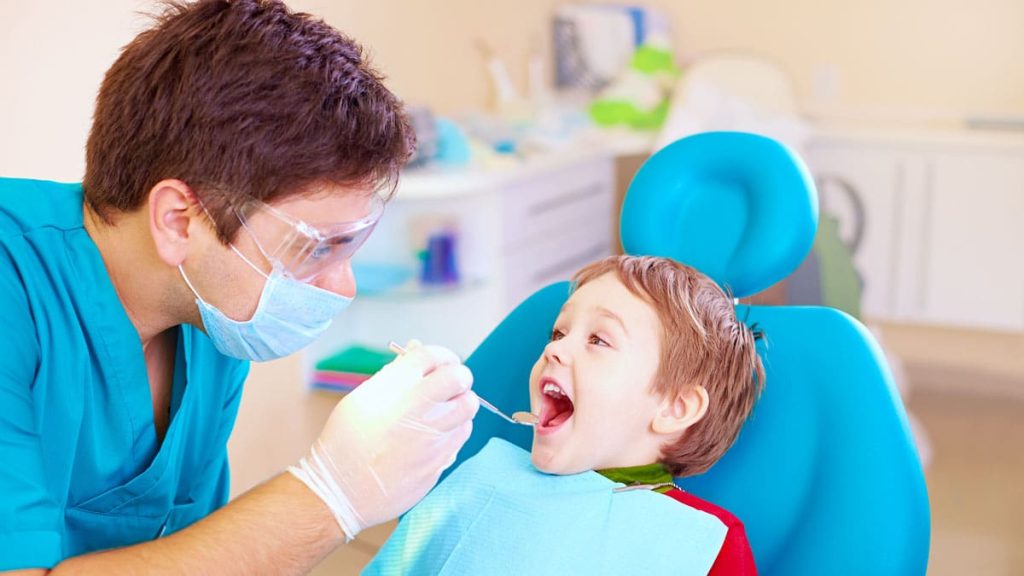
It is recommended to visit the dentist at an early age for several reasons. Early dentist visits can help establish good oral hygiene habits, which can help to protect teeth and gums from decay, disease, and other dental problems. Additionally, early visits can help detect potential problems early when they are easier and less costly to treat. Lastly, early visits to the dentist can help to reduce a child’s fear and anxiety associated with visiting the dentist. If your child needs braces, contact Monterey cosmetic dentist.

Benefits of early childhood dental visits

  • Establishing a “dental home.”

A dental home helps to establish the foundation for a lifetime of preventive dental care. It allows the child to become comfortable with the dental environment and develop a trusting relationship with the dentist.

  • Create familiarity and ease fear with dental care

Visiting a dentist early on can help alleviate a child’s fear of the dentist and create familiarity with dental care. Taking a child to the dentist at a young age can help them become more comfortable with the environment, the tools, and the dentist’s staff. When a child is comfortable with the dentist, they are more likely to be cooperative and willing to get the care they need. Additionally, early visits to the dentist can help the child become familiar with the process of dental care and preventative treatments, such as brushing and flossing. It can also help to identify any potential issues early on and provide the necessary treatment in a timely manner.

  • Early detection of dental problems

Early dental visits can help to detect and treat problems before they become more serious. This can help prevent the need for more extensive and costly treatment later.

  • Education

An early childhood dental visit provides parents and children with important information about preventing dental problems. This includes learning about proper brushing and flossing techniques, dietary recommendations, and recognizing the signs of dental problems.

  • Prevention

Early childhood dental visits are an opportunity to provide preventive treatments such as fluoride treatments, sealants, and dietary counseling to help reduce the risk of cavities and other dental problems.

  • Cost savings

Detecting and treating dental problems early can help to reduce the overall cost of care. Early intervention can help to prevent more costly treatments later on.

  • Improved oral health

Having a healthy mouth is important for overall health and well-being. Early childhood dental visits can help to ensure that children have healthy mouths and bright futures.

Did you know that your smile can show the type of personality you have? Thus, if you are wearing porcelain veneers in Bismarck, you must take care of them. Your dentist will ensure you know how to keep your mouth healthy before and after you get veneers. But it’s up to you to maintain your veneers like you would your natural teeth.  Below are some tips to maintain your porcelain veneers:

Ensure You Brush Your Teeth Twice a Day

Experts recommend brushing the teeth at least twice every day using fluoride toothpaste. Also, brush your teeth for two minutes to ensure a thorough cleaning, including your veneers. Brushing your teeth quickly can leave behind a plaque on the back portion of your teeth. When left uncleaned, plaque can harden and become tartar, which can only be removed through professional teeth cleaning. A lot of people have cavities in the back of their teeth because they rush their brushing routine.

Floss Once Every Day

Plaque hides in areas of your teeth that your toothbrush cannot reach. They can develop on your teeth or veneers. Flossing your teeth can get rid of plaque that hides in between your teeth or along your gum line. It helps prevent the formation of cavities in between teeth.

Reduce Your Intake of Sugary Foods

Plaque consumes sugar and utilizes it to produce acid that causes cavities. Thus, consuming sugary foods regularly increases your risk of developing plaque. By limiting your sugar intake, you can avoid oral health problems and keep your dental veneers intact. 

Avoid Chewing or Bite on Hard Objects

Although porcelain veneers are made to last for years, they are not invincible. Chewing on ice can chip your veneers and damage your smile. Also, when you wear veneers, do not chew hard candies or even popcorn kernels, as they can chip your porcelain veneers. 

In addition, you must not use your teeth as tools. For instance, your veneers can be damaged when you try to open a bottle cap using your teeth.

Do Not Miss Your Dental Appointments

Generally, it is important to schedule an appointment with your dentist every six months for dental checkups and cleanings. During the cleaning procedure, your dentist will scrape away plaque and tartar, keeping your teeth and veneers from those dental flaws. Your dentist will use your appointments to monitor the condition of your dental veneers and your oral health, so make sure not to skip them. 

Good oral hygiene is important to prevent cavity formation. But sometimes, dental cavities develop even if you practice proper brushing and flossing. 

Cavities develop when bacteria and food build up on the teeth and become plaque. A plaque has acid-producing bacteria that erode your tooth enamel. Regular tooth brushing and flossing can help in removing plaque; however, plaque buildups can eat away at your enamel and create cavities. Once this happens, your tooth will have a hole. This will require you to see a dentist in Aurora and get a dental filling or another dental solution depending on the severity of the cavity. 

When cavities are not treated immediately, they can destroy your teeth and cause more severe problems like an infection or an abscess, which can threaten your life when it gets in the bloodstream. Thus, you need to watch the formation of cavities and visit your dentist immediately when you spot them. You may have cavities when you experience any of the following:

Tooth Pain

When you experience a toothache, make an appointment to visit your dentist as soon as possible. As cavities develop, you may experience pain even if you chew a soft food item. Eventually, this will lead to consistent tooth pain whenever you drink or eat something.

Tooth Sensitivity

Sensitivity to a tooth can feel like a tickle or tingle at certain times, particularly when you eat or drink something cold or hot. Also, you may experience this sensitivity when you bite into something acidic, sweet, or sugary. Typically, it happens when bacteria start to eat through your tooth enamel. 

Holes, Spots, and Stains

If a tooth has a spot, this could mean a cavity is forming. Although spots are often the first to appear, you may also notice a brown or black stain. Over time, such stains and spots will become a hole or pit in the tooth when not treated promptly. 

Bad Breath

With a decaying tooth, bacteria will spread and may get deeper into your tooth. This can lead to bad breath. Chronic bad breath can indicate a worsening cavity.  Addressing this may include getting a root canal treatment. You can avoid this expensive procedure when you visit your dentist right away.

A Broken or Chipped Tooth

Even a minimal broken or chipped tooth must be checked by your dentist as soon as possible. Breaks, cracks, and chips can increase your tooth’s vulnerability to plaque buildup and invasive bacteria. Thus, leaving a broken or chipped tooth untreated can easily result in tooth damage and cavity.  

Introduction

Boost your confidence by improving your smile with a cosmetic dentist in Aurora. With the latest advances in cosmetic dentistry greenville sc, there are a variety of procedures available that can give you the beautiful, white smile you’ve always wanted. Here’s a look at the top 6 cosmetic dentistry procedures that can help you enhance your smile.

1) Teeth Whitening

This procedure involves using a bleaching solution to lighten and brighten the color of your teeth. The effects are long-lasting but may require touch-ups every few years. It is one of the most popular and cost-effective ways to enhance your smile.

2) Dental Veneers

Dental Veneers are thin shells of porcelain or composite material placed on the surface of your teeth to improve their appearance. They are designed to correct the shape, color, and size of your teeth, as well as close gaps and cover chips. Veneers can last up to 10 years with proper care.

3) Invisalign

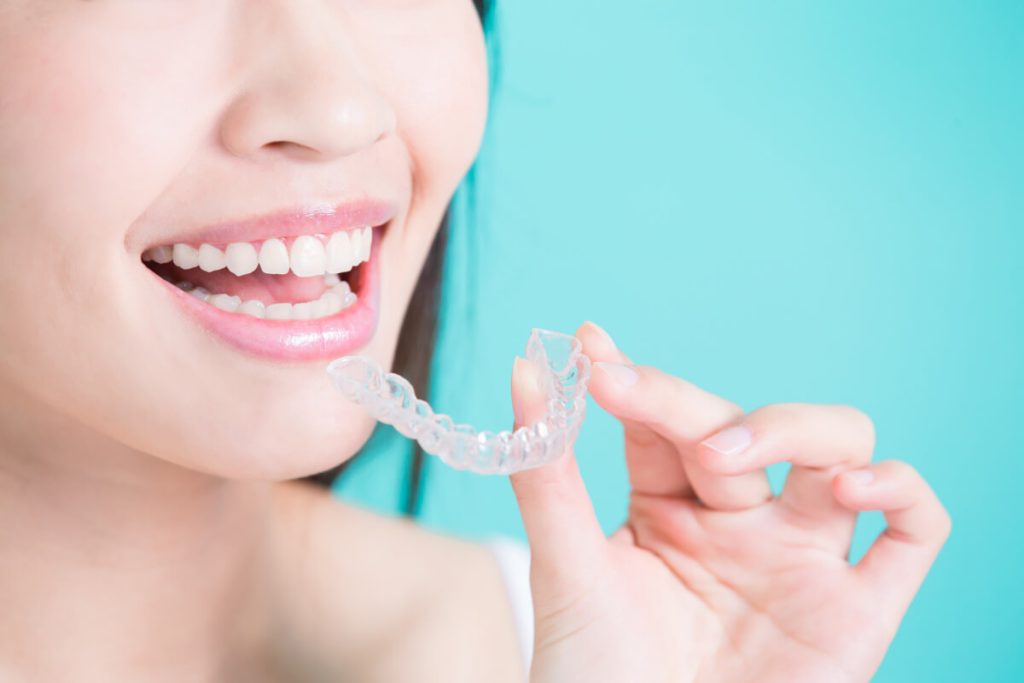
Invisalign is a revolutionary orthodontic system used to straighten teeth without traditional braces. These clear, customized aligners fit over your teeth and gradually shift them into their desired position. Invisalign is a comfortable and convenient way to achieve a perfect smile.

4) Dental Implants

Implants can replace missing teeth permanently and long-term. They are titanium rods that are surgically implanted in the jawbone and can be used to hold a single crown, bridge, or denture securely in place. Dental implants provide a more natural look and feel than traditional bridges or dentures.

5) Dental Bonding

This cosmetic procedure can be used to repair chipped, cracked, discolored, or misshapen teeth. The dentist applies a tooth-colored composite resin to the tooth surface, sculpts, and hardens the material using a special light. Dental bonding is a great, cost-effective way to improve your smile.

6) Tooth Reshaping

Cosmetic dentists can reshape teeth to make them look more uniform and symmetrical. This procedure involves removing small amounts of enamel and reshaping the tooth with a dental drill. It can also be used to correct chips or cracks in the tooth.

Conclusion

In conclusion, there are many different procedures available that can help you enhance your smile and make you feel more confident. Whether you’re looking for something as simple as teeth whitening or something more complicated like porcelain veneers, there is something out there for everyone. Before beginning any procedure, be sure to consult with your dentist so they can advise you on the best option for your specific needs.