
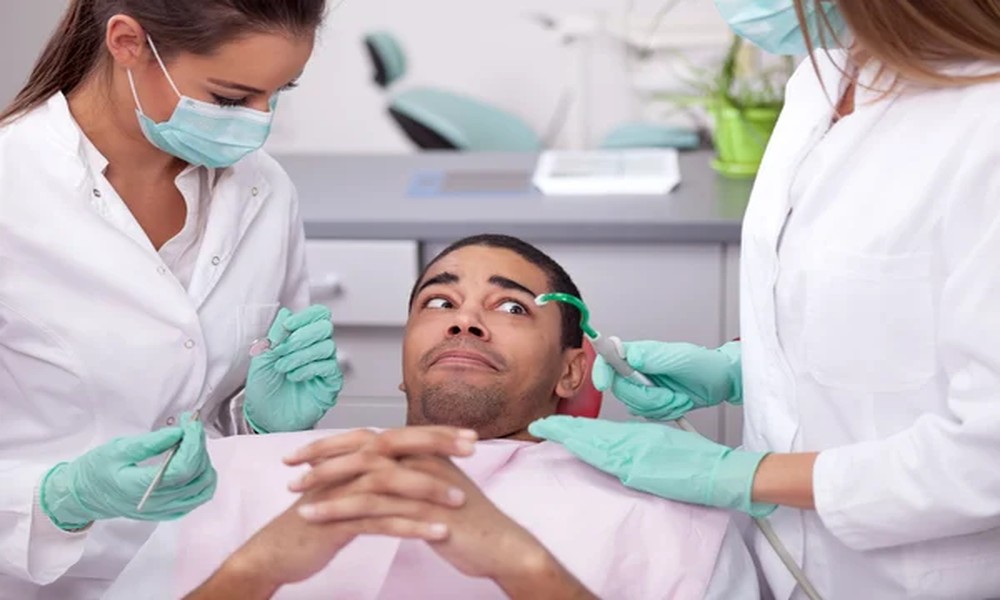
A surprising number of adults haven’t seen a dentist in five, ten, even twenty years. The reason is almost never neglect. It’s fear. A bad childhood experience, an injection that hurt more than it should have, a procedure where the numbing didn’t take, and suddenly the dental chair becomes a place to avoid at all costs. All Smiles Dental in Burley sees these patients regularly, and Dr. Spencer Rice approaches dental anxiety as a problem to solve rather than a personality flaw to push through. Sedation dentistry is the practical answer for most anxious patients, and the options are simpler and safer than the term suggests.
What Sedation Dentistry Actually Is
Sedation in a dental setting is not the same as general anesthesia. You’re not unconscious. You’re not on a ventilator. You’re awake, breathing on your own, and able to respond when spoken to. The difference is that the part of your nervous system responsible for fear, anticipation, and the magnified physical response to dental work gets dialed down.
For most patients, that’s the entire issue. The procedure itself, once anesthetic has done its work, is tolerable. What isn’t tolerable is the buildup, the sound of the drill, the feeling of being unable to swallow, the loss of control. Sedation addresses all of that without removing your awareness or your ability to participate in your own care.
Nitrous Oxide: The Gentle First Step
Nitrous oxide, often called laughing gas, has been used in dentistry for more than 150 years for good reason. It works fast, wears off fast, and has an excellent safety record.
You inhale a mixture of nitrous oxide and oxygen through a small mask placed over your nose. Within a few minutes you feel warm, a little floaty, and noticeably less concerned about what’s happening. The dentist controls the concentration and can adjust it during the procedure. When the mask comes off at the end, you breathe pure oxygen for a few minutes, and the effect clears almost completely.
Practical points patients ask about:
- You can drive yourself home afterward in most cases
- Eating beforehand is fine in moderation
- The cost is typically modest and sometimes covered by insurance
- It pairs well with local anesthetic for cleanings, fillings, and many extractions
Nitrous is the right starting point for patients with moderate anxiety, kids who need a little help relaxing, and adults who simply want to take the edge off a longer procedure. It isn’t strong enough for the most severe phobias or for very long surgeries, which is where the next option comes in.
Oral Conscious Sedation: Deeper, Still Awake
Oral conscious sedation uses a prescription medication, typically in the benzodiazepine family, taken by mouth before the appointment. You remain awake and able to respond, but you’re significantly more relaxed than with nitrous alone. Many patients describe a kind of detached calm. Time passes faster. The procedure feels much shorter than it actually was.
Because the medication takes longer to wear off and affects coordination and judgment, oral sedation comes with real logistical requirements:
- You’ll need someone to drive you to and from the appointment
- You shouldn’t operate machinery or make important decisions for the rest of the day
- Specific food and drink instructions apply before the appointment
- Certain medications and health conditions can affect which sedative is appropriate
For patients with significant dental anxiety, those who need multiple procedures done in one visit, or anyone facing more involved restorative work, oral conscious sedation often turns what would have been a dreaded ordeal into a manageable afternoon.
Combining Approaches When It Makes Sense
The two options aren’t mutually exclusive. Some patients benefit from oral sedation taken before the appointment, paired with nitrous oxide during the procedure, alongside the standard local anesthetic that numbs the actual work site. The combination provides layered comfort without crossing into deeper sedation that would require an anesthesiologist.
Dr. Rice and the team at our Burley office tailor the approach to the patient and the procedure rather than applying the same protocol to everyone.
Who Sedation Dentistry Helps Most
Sedation isn’t only for severe phobias. The patients who benefit include:
- Adults who avoided the dentist for years and now need significant work
- Patients with a strong gag reflex that makes routine treatment difficult
- People with limited ability to sit still due to chronic pain or movement disorders
- Anyone facing multiple procedures in a single visit
- Children with high anxiety, when an age-appropriate option is available
- Patients with sensitive teeth where local anesthetic alone doesn’t fully address discomfort
- Veterans and trauma survivors for whom the dental environment triggers a stronger response than most clinical settings
The common thread is that something about the dental experience, not the dental work itself, creates a barrier to getting care. Sedation lowers that barrier.
What a First Visit Typically Looks Like
For someone who hasn’t been to a dentist in years, the first visit at All Smiles Dental doesn’t have to involve any treatment. It often shouldn’t. A first visit can be a conversation, a look around the office, and a discussion of what makes the patient anxious and what options exist. For some patients, this conversation alone reduces anxiety enough to schedule a cleaning. For others, the next step is a clinical exam with nitrous oxide standing by if needed.
The work of rebuilding trust with the dental environment takes time and shouldn’t be rushed. A dentist who pressures a fearful patient into immediate treatment usually loses that patient permanently.
Safety, Monitoring, and What to Tell Your Dentist
Sedation dentistry is safe when practiced within established protocols. The patient’s medical history, current medications, and specific conditions get reviewed before any sedative is given. Blood pressure, oxygen saturation, and pulse are monitored during the procedure. Reversal agents are on hand if needed.
Things patients should always disclose:
- All prescription medications, over-the-counter drugs, and supplements
- Any history of sleep apnea, asthma, or breathing issues
- Heart conditions or recent cardiac events
- Pregnancy or possibility of pregnancy
- Alcohol or substance use patterns
- Prior reactions to anesthesia or sedatives
Honest answers protect you. There are no useful surprises in sedation dentistry.
Booking the First Conversation
Dental anxiety doesn’t get better by being ignored. The teeth that have been hurting for two years aren’t healing. The crown that fell off last winter isn’t growing back. Getting in the door is the hardest step, and a good practice makes that step as easy as possible.
All Smiles Dental in Burley serves patients across the Magic Valley, including Twin Falls, Rupert, Heyburn, and the surrounding communities, and welcomes calls specifically from people who haven’t been to a dentist in a long time. Call (208) 679-3000 to schedule a consultation with Dr. Rice and talk through which sedation option fits your situation.

Comments are closed.